 Chinese
  French
  German
  English
  Spanish
  Hindi
Hindi  Italian
  Japanese
  Korean
  Norwegian
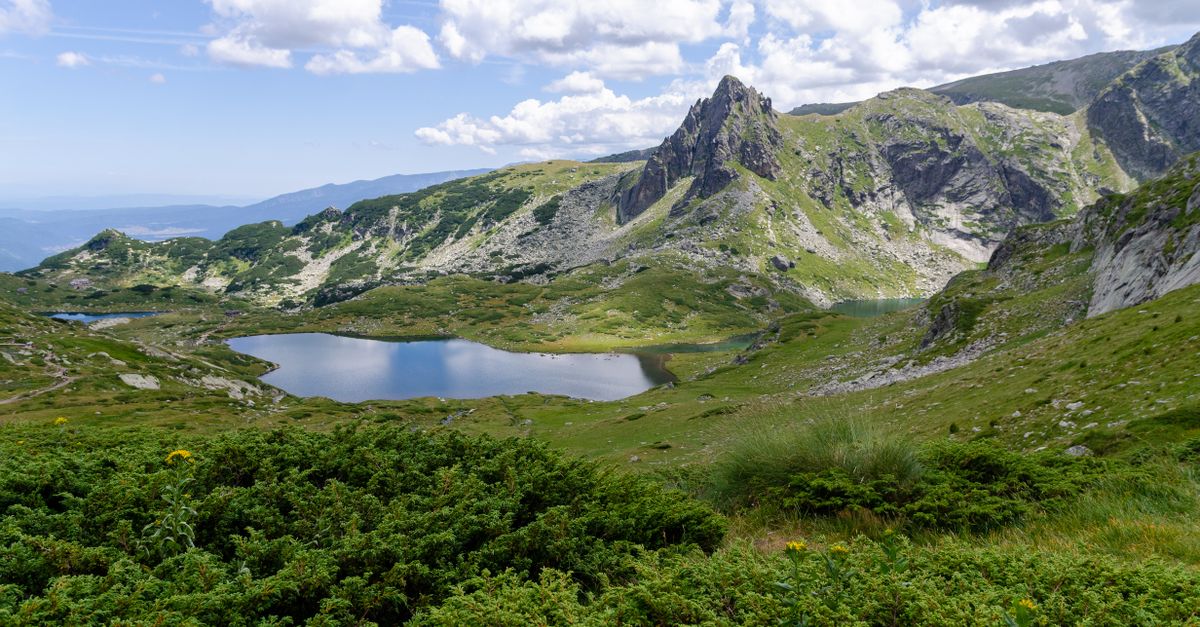
Coolcation 2026: cool-weather holidays, the new summer trend
What if this year you chose your summer holiday according to a criterion that is gradually becoming a top priority in surveys: temperature? This is the idea behind the coolcation, a blend of cool and vacation, the trend reshaping the habits of French travellers in summer 2026. With heatwaves becoming more frequent and intense, escaping the heat is no longer a luxury — it has become a holiday strategy in its own right.
What is a coolcation?
The principle of a coolcation is simple: instead of choosing a summer destination for its beach or sunshine, you choose it primarily for its cool climate. The aim is to favour places where temperatures range between 18 and 26°C, so you can fully enjoy outdoor activities without suffering through the lethargy of scorching days.
The term originated in English-speaking countries and quickly spread across Europe. In 2026, data from Skyscanner and Expedia confirms that searches related to cool-weather holidays have jumped by more than 300% in one year. TUI France has already incorporated the trend into its offers, while the Virtuoso network reports that 82% of its affluent clients are now considering a trip focused on climate comfort.
More than a passing fad, the coolcation responds to a measurable climate reality: according to Météo-France, summer 2026 is expected to be hotter than normal, with several heatwave episodes forecast across mainland France between July and August. Going somewhere cool is no longer a whim; it is a sensible decision.
Why heat is putting off more and more holidaymakers
For decades, “summer holidays” meant intense sunshine and Mediterranean beaches. That model is faltering. Several factors explain this change of paradigm:
- The growing number of heatwaves : France has experienced increasingly hot summers since 2003, with peaks above 40°C that make some destinations genuinely uncomfortable.
- The impact on health : every summer, health authorities warn of heat-related risks — dehydration, heatstroke and sleep problems — that can spoil a stay, particularly for families with children and older people.
- Overcrowding at traditional destinations : the French Riviera, Barcelona, Malta... Mediterranean destinations combine heat and crowds during the high season. This combination is becoming off-putting to a growing share of travellers.
- Greater environmental awareness : coolcations often form part of a more responsible approach to travel, favouring less-visited regions and low-impact modes of transport.
The best coolcation destinations for summer 2026
The good news is that there is no shortage of options, including within France and Europe. Here is an overview of the destinations proving especially popular with coolcation enthusiasts this summer.
In France: the mountains and Atlantic coast lead the way
For the first time in 2026, Brittany tops the ranking of the most sought-after French destinations, ahead of the Provence-Alpes-Côte d’Azur region. With summer temperatures peaking at 20–23°C, spectacular coastal paths and acclaimed cuisine, it ticks every box for the ideal coolcation. Crozon, the Pink Granite Coast and the Abers offer landscapes worth enjoying without leaving France.
The mountains are also enjoying an impressive revival of summer interest. The Alps, Jura, Massif Central and Pyrenees offer guaranteed freshness, varied outdoor activities such as hiking, cycling and mountain lakes, and accommodation that is often more affordable than on the coast.
In Europe: head north
Ireland is undoubtedly one of the coolcation discoveries of 2026. With temperatures of 16–20°C in July and August, breathtaking scenery such as Connemara and the Cliffs of Moher, and a warm atmosphere, the Emerald Isle is attracting increasing numbers of French visitors. TUI France and several tour operators have greatly expanded their offers to Dublin and western Ireland.
Norway and Iceland are soaring in booking statistics — up 131% and 128% respectively in one year, according to Skyscanner. Iceland leads the 2026 Summer Heat Escape Index with summer temperatures of 12–16°C, almost continuous daylight, and its geysers, waterfalls and volcanoes. A complete change of scenery is guaranteed.
More affordable, Bulgaria’s Black Sea coast at 26–28°C, or breezy Greek islands such as Corfu and Rhodes, offer an appealing compromise: a Mediterranean experience without oppressive heat.
Further afield: Canada for the ambitious
For those who want to get radically away from Europe’s heatwaves, Canada is the coolcation destination par excellence. Montreal, Quebec City and Niagara Falls can be explored in ideal thermal comfort at 22–26°C, with vast natural landscapes as an added bonus.
Coolcations and budget: are they really more expensive?
The question comes up often. Intuitively, travelling to Scandinavia or Canada costs more than spending a week in Spain. But the reality is more nuanced:
- Less-touristy cool destinations such as inland Brittany, the Massif Central and Eastern European countries remain very affordable. Accommodation is often cheaper there than on the Mediterranean coast in July and August.
- Growing demand for Nordic destinations is admittedly pushing prices up, but early bookings make it possible to find reasonably priced return flights to Iceland or Ireland.
- Savings at the destination are real: you drink less water, sleep better and are therefore less tired, and are more inclined to walk and explore than to lie motionless beneath a beach umbrella.
Platforms such as Booking.com and Airbnb have even introduced filters dedicated to cool-weather destinations in 2026, making it easier to search by preferred temperature range.
How should you prepare for a coolcation?
Here are a few practical tips for organising a successful cool-weather break:
- Check average July and August temperatures, not just the maximums. A destination may reach 25°C during the day and fall to 12°C at night — important information for comfort and deciding what clothes to pack.
- Pack layers : even in summer, a cool region may require a jumper or light jacket in the evening. It is nothing difficult, but it is better not to forget.
- Plan for changeable weather : Brittany or Ireland can offer four seasons in a single day. A lightweight waterproof jacket is essential.
- Book early in 2026 : the coolcation trend is now widely known, and the most popular cool destinations such as Iceland, Ireland and coastal Brittany can be fully booked several weeks in advance.
The coolcation: a lasting sign of climate change
Beyond its practical aspect, the coolcation is also a strong cultural indicator. It reflects a collective, almost instinctive adaptation to a changing environment. For the first time in the history of mass tourism, heat — long synonymous with a successful holiday — is becoming a deterrent for a significant proportion of travellers.
Tourism professionals have understood this clearly: incorporating climate comfort into travel offers is no longer optional, but essential. For travellers, that is ultimately good news: summer 2026 offers more reasons than ever to explore beautiful, less-crowded regions, far from packed beaches and overheated terraces. Cool weather has never been so fashionable.



Coolcation 2026: cool-weather holidays, the new summer trend
What if this year you chose your summer holiday according to a criterion that is gradually becoming a top priority in surveys: temperature? This is the idea behind the coolcation, a blend of cool and vacation, the trend reshaping the habits of French travellers in summer 2026. With heatwaves becoming more frequent and intense, escaping the heat is no longer a luxury — it has become a holiday strategy in its own right.
What is a coolcation?
The principle of a coolcation is simple: instead of choosing a summer destination for its beach or sunshine, you choose it primarily for its cool climate. The aim is to favour places where temperatures range between 18 and 26°C, so you can fully enjoy outdoor activities without suffering through the lethargy of scorching days.
The term originated in English-speaking countries and quickly spread across Europe. In 2026, data from Skyscanner and Expedia confirms that searches related to cool-weather holidays have jumped by more than 300% in one year. TUI France has already incorporated the trend into its offers, while the Virtuoso network reports that 82% of its affluent clients are now considering a trip focused on climate comfort.
More than a passing fad, the coolcation responds to a measurable climate reality: according to Météo-France, summer 2026 is expected to be hotter than normal, with several heatwave episodes forecast across mainland France between July and August. Going somewhere cool is no longer a whim; it is a sensible decision.
Why heat is putting off more and more holidaymakers
For decades, “summer holidays” meant intense sunshine and Mediterranean beaches. That model is faltering. Several factors explain this change of paradigm:
- The growing number of heatwaves : France has experienced increasingly hot summers since 2003, with peaks above 40°C that make some destinations genuinely uncomfortable.
- The impact on health : every summer, health authorities warn of heat-related risks — dehydration, heatstroke and sleep problems — that can spoil a stay, particularly for families with children and older people.
- Overcrowding at traditional destinations : the French Riviera, Barcelona, Malta... Mediterranean destinations combine heat and crowds during the high season. This combination is becoming off-putting to a growing share of travellers.
- Greater environmental awareness : coolcations often form part of a more responsible approach to travel, favouring less-visited regions and low-impact modes of transport.
The best coolcation destinations for summer 2026
The good news is that there is no shortage of options, including within France and Europe. Here is an overview of the destinations proving especially popular with coolcation enthusiasts this summer.
In France: the mountains and Atlantic coast lead the way
For the first time in 2026, Brittany tops the ranking of the most sought-after French destinations, ahead of the Provence-Alpes-Côte d’Azur region. With summer temperatures peaking at 20–23°C, spectacular coastal paths and acclaimed cuisine, it ticks every box for the ideal coolcation. Crozon, the Pink Granite Coast and the Abers offer landscapes worth enjoying without leaving France.
The mountains are also enjoying an impressive revival of summer interest. The Alps, Jura, Massif Central and Pyrenees offer guaranteed freshness, varied outdoor activities such as hiking, cycling and mountain lakes, and accommodation that is often more affordable than on the coast.
In Europe: head north
Ireland is undoubtedly one of the coolcation discoveries of 2026. With temperatures of 16–20°C in July and August, breathtaking scenery such as Connemara and the Cliffs of Moher, and a warm atmosphere, the Emerald Isle is attracting increasing numbers of French visitors. TUI France and several tour operators have greatly expanded their offers to Dublin and western Ireland.
Norway and Iceland are soaring in booking statistics — up 131% and 128% respectively in one year, according to Skyscanner. Iceland leads the 2026 Summer Heat Escape Index with summer temperatures of 12–16°C, almost continuous daylight, and its geysers, waterfalls and volcanoes. A complete change of scenery is guaranteed.
More affordable, Bulgaria’s Black Sea coast at 26–28°C, or breezy Greek islands such as Corfu and Rhodes, offer an appealing compromise: a Mediterranean experience without oppressive heat.
Further afield: Canada for the ambitious
For those who want to get radically away from Europe’s heatwaves, Canada is the coolcation destination par excellence. Montreal, Quebec City and Niagara Falls can be explored in ideal thermal comfort at 22–26°C, with vast natural landscapes as an added bonus.
Coolcations and budget: are they really more expensive?
The question comes up often. Intuitively, travelling to Scandinavia or Canada costs more than spending a week in Spain. But the reality is more nuanced:
- Less-touristy cool destinations such as inland Brittany, the Massif Central and Eastern European countries remain very affordable. Accommodation is often cheaper there than on the Mediterranean coast in July and August.
- Growing demand for Nordic destinations is admittedly pushing prices up, but early bookings make it possible to find reasonably priced return flights to Iceland or Ireland.
- Savings at the destination are real: you drink less water, sleep better and are therefore less tired, and are more inclined to walk and explore than to lie motionless beneath a beach umbrella.
Platforms such as Booking.com and Airbnb have even introduced filters dedicated to cool-weather destinations in 2026, making it easier to search by preferred temperature range.
How should you prepare for a coolcation?
Here are a few practical tips for organising a successful cool-weather break:
- Check average July and August temperatures, not just the maximums. A destination may reach 25°C during the day and fall to 12°C at night — important information for comfort and deciding what clothes to pack.
- Pack layers : even in summer, a cool region may require a jumper or light jacket in the evening. It is nothing difficult, but it is better not to forget.
- Plan for changeable weather : Brittany or Ireland can offer four seasons in a single day. A lightweight waterproof jacket is essential.
- Book early in 2026 : the coolcation trend is now widely known, and the most popular cool destinations such as Iceland, Ireland and coastal Brittany can be fully booked several weeks in advance.
The coolcation: a lasting sign of climate change
Beyond its practical aspect, the coolcation is also a strong cultural indicator. It reflects a collective, almost instinctive adaptation to a changing environment. For the first time in the history of mass tourism, heat — long synonymous with a successful holiday — is becoming a deterrent for a significant proportion of travellers.
Tourism professionals have understood this clearly: incorporating climate comfort into travel offers is no longer optional, but essential. For travellers, that is ultimately good news: summer 2026 offers more reasons than ever to explore beautiful, less-crowded regions, far from packed beaches and overheated terraces. Cool weather has never been so fashionable.
Coolcation 2026: cool-weather holidays, the new summer trend
What if this year you chose your summer holiday according to a criterion that is gradually becoming a top priority in surveys: temperature? This is the idea behind the coolcation, a blend of cool and vacation, the trend reshaping the habits of French travellers in summer 2026. With heatwaves becoming more frequent and intense, escaping the heat is no longer a luxury — it has become a holiday strategy in its own right.
What is a coolcation?
The principle of a coolcation is simple: instead of choosing a summer destination for its beach or sunshine, you choose it primarily for its cool climate. The aim is to favour places where temperatures range between 18 and 26°C, so you can fully enjoy outdoor activities without suffering through the lethargy of scorching days.
The term originated in English-speaking countries and quickly spread across Europe. In 2026, data from Skyscanner and Expedia confirms that searches related to cool-weather holidays have jumped by more than 300% in one year. TUI France has already incorporated the trend into its offers, while the Virtuoso network reports that 82% of its affluent clients are now considering a trip focused on climate comfort.
More than a passing fad, the coolcation responds to a measurable climate reality: according to Météo-France, summer 2026 is expected to be hotter than normal, with several heatwave episodes forecast across mainland France between July and August. Going somewhere cool is no longer a whim; it is a sensible decision.
Why heat is putting off more and more holidaymakers
For decades, “summer holidays” meant intense sunshine and Mediterranean beaches. That model is faltering. Several factors explain this change of paradigm:
- The growing number of heatwaves : France has experienced increasingly hot summers since 2003, with peaks above 40°C that make some destinations genuinely uncomfortable.
- The impact on health : every summer, health authorities warn of heat-related risks — dehydration, heatstroke and sleep problems — that can spoil a stay, particularly for families with children and older people.
- Overcrowding at traditional destinations : the French Riviera, Barcelona, Malta... Mediterranean destinations combine heat and crowds during the high season. This combination is becoming off-putting to a growing share of travellers.
- Greater environmental awareness : coolcations often form part of a more responsible approach to travel, favouring less-visited regions and low-impact modes of transport.
The best coolcation destinations for summer 2026
The good news is that there is no shortage of options, including within France and Europe. Here is an overview of the destinations proving especially popular with coolcation enthusiasts this summer.
In France: the mountains and Atlantic coast lead the way
For the first time in 2026, Brittany tops the ranking of the most sought-after French destinations, ahead of the Provence-Alpes-Côte d’Azur region. With summer temperatures peaking at 20–23°C, spectacular coastal paths and acclaimed cuisine, it ticks every box for the ideal coolcation. Crozon, the Pink Granite Coast and the Abers offer landscapes worth enjoying without leaving France.
The mountains are also enjoying an impressive revival of summer interest. The Alps, Jura, Massif Central and Pyrenees offer guaranteed freshness, varied outdoor activities such as hiking, cycling and mountain lakes, and accommodation that is often more affordable than on the coast.
In Europe: head north
Ireland is undoubtedly one of the coolcation discoveries of 2026. With temperatures of 16–20°C in July and August, breathtaking scenery such as Connemara and the Cliffs of Moher, and a warm atmosphere, the Emerald Isle is attracting increasing numbers of French visitors. TUI France and several tour operators have greatly expanded their offers to Dublin and western Ireland.
Norway and Iceland are soaring in booking statistics — up 131% and 128% respectively in one year, according to Skyscanner. Iceland leads the 2026 Summer Heat Escape Index with summer temperatures of 12–16°C, almost continuous daylight, and its geysers, waterfalls and volcanoes. A complete change of scenery is guaranteed.
More affordable, Bulgaria’s Black Sea coast at 26–28°C, or breezy Greek islands such as Corfu and Rhodes, offer an appealing compromise: a Mediterranean experience without oppressive heat.
Further afield: Canada for the ambitious
For those who want to get radically away from Europe’s heatwaves, Canada is the coolcation destination par excellence. Montreal, Quebec City and Niagara Falls can be explored in ideal thermal comfort at 22–26°C, with vast natural landscapes as an added bonus.
Coolcations and budget: are they really more expensive?
The question comes up often. Intuitively, travelling to Scandinavia or Canada costs more than spending a week in Spain. But the reality is more nuanced:
- Less-touristy cool destinations such as inland Brittany, the Massif Central and Eastern European countries remain very affordable. Accommodation is often cheaper there than on the Mediterranean coast in July and August.
- Growing demand for Nordic destinations is admittedly pushing prices up, but early bookings make it possible to find reasonably priced return flights to Iceland or Ireland.
- Savings at the destination are real: you drink less water, sleep better and are therefore less tired, and are more inclined to walk and explore than to lie motionless beneath a beach umbrella.
Platforms such as Booking.com and Airbnb have even introduced filters dedicated to cool-weather destinations in 2026, making it easier to search by preferred temperature range.
How should you prepare for a coolcation?
Here are a few practical tips for organising a successful cool-weather break:
- Check average July and August temperatures, not just the maximums. A destination may reach 25°C during the day and fall to 12°C at night — important information for comfort and deciding what clothes to pack.
- Pack layers : even in summer, a cool region may require a jumper or light jacket in the evening. It is nothing difficult, but it is better not to forget.
- Plan for changeable weather : Brittany or Ireland can offer four seasons in a single day. A lightweight waterproof jacket is essential.
- Book early in 2026 : the coolcation trend is now widely known, and the most popular cool destinations such as Iceland, Ireland and coastal Brittany can be fully booked several weeks in advance.
The coolcation: a lasting sign of climate change
Beyond its practical aspect, the coolcation is also a strong cultural indicator. It reflects a collective, almost instinctive adaptation to a changing environment. For the first time in the history of mass tourism, heat — long synonymous with a successful holiday — is becoming a deterrent for a significant proportion of travellers.
Tourism professionals have understood this clearly: incorporating climate comfort into travel offers is no longer optional, but essential. For travellers, that is ultimately good news: summer 2026 offers more reasons than ever to explore beautiful, less-crowded regions, far from packed beaches and overheated terraces. Cool weather has never been so fashionable.