 French
 German
 English
 Spanish
 Hindi
 Italian
 Japanese
 Korean
 Norwegian
 Chinese
法国寒潮:如何预判用电高峰
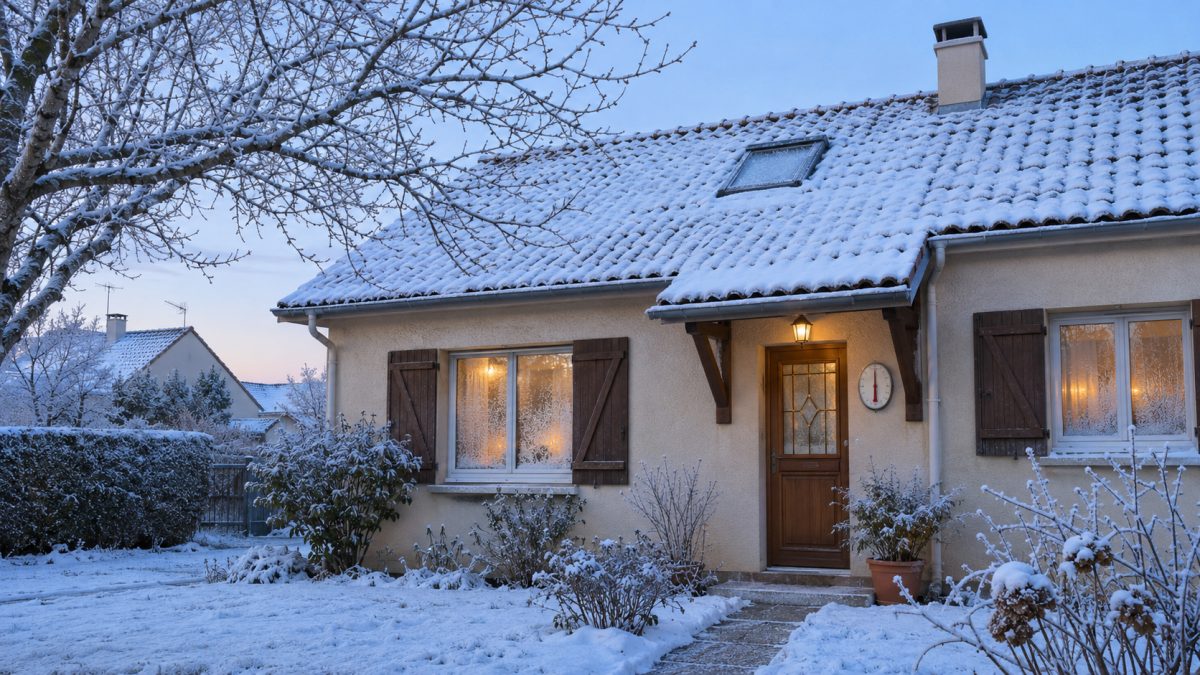
A cold wave in France does not automatically mean a red weather alert or an imminent power cut. To anticipate its effects, compare Météo-France forecasts, weather warnings and electricity consumption information published by RTE, particularly through Écowatt and éCO2mix.
The real challenge of a cold wave in France is not just knowing the forecast temperature. It is understanding how long the cold will last, how it will affect heating demand and whether the electricity grid is under strain. Here is a practical method for turning this information into useful decisions without confusing weather alerts, electricity risks and higher bills.
如何识别真正的寒潮?
A sudden drop in temperature is not enough to define a prolonged cold spell. A cold wave is a period when temperatures remain significantly below seasonal norms. Its duration matters just as much as how cold a particularly icy day feels.
This meteorological concept must also be distinguished from a severe cold weather alert. Such alerts aim to prevent dangerous effects on people, considering temperature intensity, duration, wind and expected health impacts.
This distinction is essential: a region may experience severe cold without an orange warning. Conversely, a department may face a higher warning level even if some urban neighborhoods appear relatively sheltered by surrounding buildings.
如何理解预警颜色?
Météo-France uses four warning colors to indicate the potential severity of a phenomenon and the precautions required.
- Green: no special warning is issued for the phenomenon.
- Yellow: some conditions require particular attention, especially for weather-sensitive activities.
- Orange: weather conditions become dangerous and require heightened vigilance and compliance with official advice.
- Red: exceptionally dangerous conditions are expected. Major disruption is possible, particularly to electricity and telephone networks.
Météo-France notes that a red severe cold warning can involve very prolonged electricity or telephone outages. This is a possible consequence of the weather event, not a certainty that any particular home will lose power.
橙色或红色预警有固定温度门槛吗?
It would be misleading to claim that one temperature automatically triggers a given warning color across France. Assessments take several factors into account, including duration and potential health consequences. Available information does not establish a precise universal Celsius threshold for each color.
Wind also deserves attention. By increasing the chill felt by the body, it can make conditions more dangerous than the measured air temperature alone suggests.
Older people, infants, people with chronic illnesses, outdoor workers and people in inadequate housing or without shelter are especially vulnerable. Warnings should therefore be interpreted according to the actual vulnerability of those concerned.
哪些指标可预测用电高峰?
Two tools provided by RTE are particularly useful for tracking the energy consequences of cold weather: Écowatt and éCO2mix. However, they answer different questions.
Écowatt:关注电网预警
Presented by RTE notably as an alert system for winter 2022–2023, Écowatt tracks signals concerning electricity supply conditions. It is a useful complement to weather warnings.
Check Écowatt when a cold spell is forecast, then follow the recommendations published. An orange weather warning does not automatically imply an equivalent electricity grid alert: the two systems assess different risks.
éCO2mix:观察全国用电量
Through éCO2mix, RTE provides real-time electricity consumption data and information on generation by energy source. These figures help track the French electricity system rather than relying on temperature impressions alone.
To monitor an event, note the national consumption shown during the periods that interest you. Then compare its changes with temperatures and any published alerts. High consumption is useful information, but by itself cannot predict an outage.
RTE also publishes electricity reviews and a consumption flexibility barometer. These publications help put a winter episode into a broader context.
如何评估停电风险?
Start by distinguishing two risks: local damage caused by weather conditions and possible pressure on the balance of the national electricity grid.
A red severe cold warning may indicate disruptions to local infrastructure. RTE information, meanwhile, helps track consumption and warnings affecting the national electricity system.
I recommend comparing these sources rather than calculating a falsely precise probability. Neither outdoor temperature nor national consumption alone can provide a reliable percentage for an individual outage risk.
- First check: consult the Météo-France warning for your department and identify the phenomenon.
- Second check: examine how long the cold is expected to last and the potential effect of wind.
- Third check: consult Écowatt for any electricity supply warning.
- Fourth check: monitor éCO2mix data and trends.
- Final check: look for official information about distribution disruptions in your area.
This method does not yield a mathematical outage probability. It does, however, distinguish ordinary cold weather from conditions requiring extra precautions, helping avoid alarmist conclusions.
如何计算寒冷天气对电费的影响?
Your bill depends on the heating system, its settings and other household electricity use. To estimate changes in spending, first check your usual consumption on your meter or customer account.
Then compare this baseline with consumption during the cold spell, using similar time periods wherever possible. The difference identifies actual additional use rather than an assumed increase.
To estimate the cost, multiply this additional consumption by the price per kilowatt-hour under your contract. The calculation must reflect your actual tariff: outdoor temperature alone cannot determine the amount.
调节恒温器有什么效果?
According to Nexelec’s infographic on winter energy-saving habits, lowering a room’s temperature by 1°C can save approximately 7% of energy. This is a useful rule of thumb, not a guarantee that every bill will fall by the same amount.
The same publication recommends 19°C in living areas and 16°C in bedrooms. These guidelines should be adapted to occupants’ needs, especially when someone is particularly vulnerable to cold.
Electricity use is not limited to heating. Refrigerators, washing machines and dishwashers also contribute to household bills. Their use can be scheduled to avoid unnecessary demand during periods of reported grid strain.
Nexelec also notes that LED bulbs can use up to 80% less energy than conventional bulbs. This saving concerns lighting and should not be confused with an equivalent reduction in total household electricity consumption.
如何比较近几年的寒潮?
Comparing winters solely by their lowest temperature is insufficient. A brief, extremely cold spell can have different consequences from a milder but persistent one.
For a serious comparison over the past five years, I would consider several criteria: deviations from normal temperatures, duration, geographical extent, warning levels and electricity consumption recorded by RTE.
However, the historical numerical data required for such a ranking have not been established here. It would therefore be incorrect to claim that one recent cold wave was more intense than another or to publish a table of electricity records without verified series.
Winter 2022–2023 nevertheless provides a documentary reference for the Écowatt warning system presented by RTE. That reference alone says nothing about the meteorological intensity of that winter or its ranking.
The most rigorous approach is to use Météo-France archives for weather characteristics and RTE reports for electricity data, keeping the same indicators year after year. Comparisons are useful only when measurements cover comparable periods and quantities.
常见问题
普通降温与寒潮有何区别?
A cold wave involves temperatures remaining below normal for an extended period, not just one cold day. It does not necessarily trigger an official severe cold warning, which also accounts for health risks and local conditions.
哪些指标预示用电高峰?
The main tools are éCO2mix consumption data and RTE’s Écowatt alerts. Compare them with weather forecasts and changes in your own consumption, without assuming a national peak automatically means a local outage.
当前寒潮能与过去相比吗?
Yes, provided comparable historical records from Météo-France and RTE are available. Without verified figures on the duration, intensity and electricity use of past episodes, no reliable five-year ranking can be established.
红色预警意味着一定停电吗?
No. Météo-France says prolonged disruptions to electricity and telephone networks are possible under a red severe cold warning, but this does not mean every home will be affected. Combine weather warnings with available electricity and local information.
资料来源
- Météo-France severe cold warnings (vigilance.meteofrance.fr)
- Severe cold warnings: who is affected and what to do | Météo Local (meteo-local.fr)
- Écowatt: winter 2022–2023 warning system (video) | RTE (rte-france.com)
- RTE answers questions on managing electricity consumption (rte-france.com)
- 5 energy-saving habits to reduce electricity demand peaks (particuliers.primeo-energie.fr)
- Météo-France heatwave warnings: IBM, thresholds and levels (travail-industrie.com)