 English
  French
  German
  Spanish
  Hindi
Hindi  Italian
  Japanese
  Korean
  Norwegian
  Chinese
Summer holidays 2026 in France: destinations, budget and tips
Summer 2026 is in full swing and the French have made their choices. Faced with persistent inflation and increasingly hot weather around the Mediterranean, holiday habits are changing. The Atlantic coast is gaining ground, budgets are tightening and planning is becoming more rigorous. Here is what you need to know to travel wisely this summer.
A higher budget, but shorter stays
According to the 2026 Sofinscope survey, the average French household’s summer holiday budget has reached €1,686 per household, €88 more than in 2025. The increase may sound encouraging, but it hides a more nuanced reality: stays are getting shorter. The average length per booking has fallen by 3% to around 4.2 days, while the average budget per booking has dropped by €21 to €551.
In practical terms, French people are travelling just as often, but for shorter periods and with more carefully controlled spending. Budget management is the top priority, cited by 70% of respondents, except for mountain holidays, where travellers are prepared to spend 15% more than in 2025.
The major shift towards the Atlantic
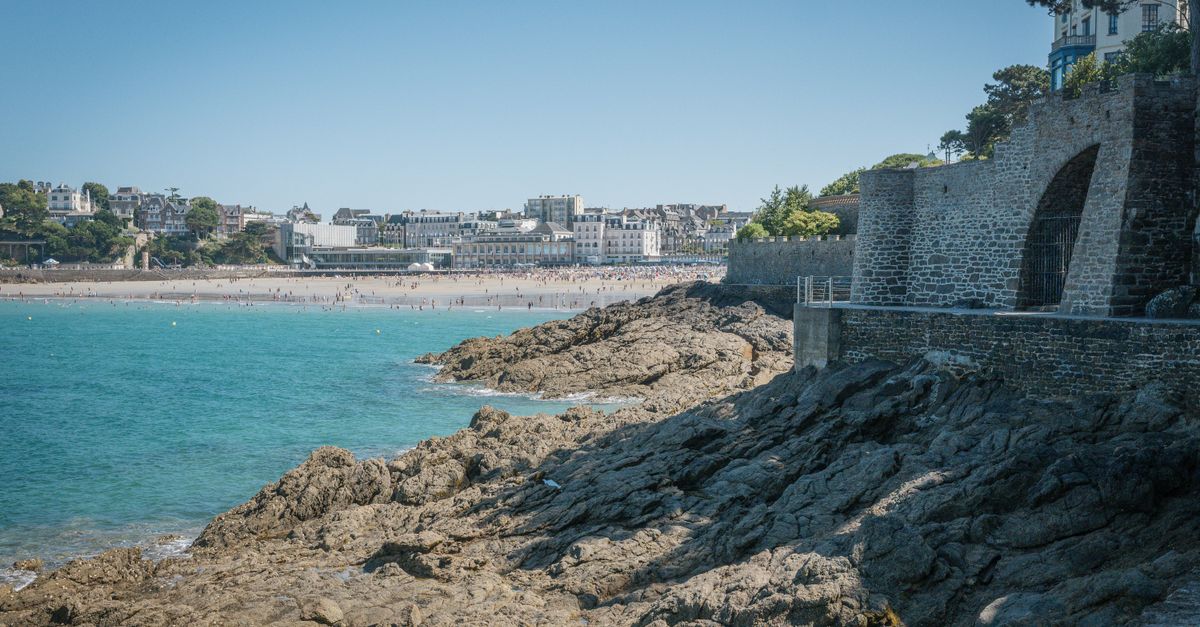
The seaside remains the leading choice for summer holidays, accounting for almost 67% of summer demand. But it is no longer the same sea as before. The Mediterranean, affected by its own popularity and increasingly intense heatwaves, is losing ground to the Atlantic coast and the English Channel.
The main winners of summer 2026 are Brittany, Pays de la Loire, Nouvelle-Aquitaine and Normandy. These regions combine several advantages: milder temperatures, a less tourist-heavy atmosphere than the French Riviera or Costa Brava, and prices that remain affordable. Brittany in particular is standing out, with a notable rise in bookings in the towns of Finistère and Côtes-d’Armor.
The most affordable destinations of the summer
A family holiday without breaking the bank is still possible, provided you choose the right destination. Here are some hidden gems identified by price comparison sites:
- The Picardy Coast and the Bay of Somme : weekly rentals available for under €1,000, a wild coastline and authentic villages far from the crowds.
- Lozère and Auvergne : guaranteed cool weather, spectacular scenery and accommodation up to 40% cheaper than on the coast.
- Perche and Charente : green countryside, local cuisine and reasonable prices for stays in cottages or bed-and-breakfast accommodation.
- The Vosges : hiking, lakes and forests for an affordable green break within reach of the entire eastern half of France.
- The Provençal hinterland including Drôme and the Luberon: the charm of Provence at prices 40% to 60% lower than the coast, with exceptional sunshine.
Timing: the secret to saving money
Your departure date is probably the most powerful lever for cutting the bill. Tourism professionals agree:
- Leaving after 20 August can save 20% to 30% on accommodation compared with departing in early August.
- September offers an average discount of 30%, with weather that is often very favourable on both the Atlantic and Mediterranean coasts. It is the preferred period for families with older children and couples without school-calendar constraints.
- Mid-July outside weekends remains more affordable than the first weeks of August, when many Parisian families depart.
Car or plane? The French have decided
With airfares and airport parking costs rising, the car is regaining popularity. It allows travellers to stop wherever they like, carry more luggage and, above all, control transport costs. For destinations within 700 km, driving is often cheaper than flying as a family once airport taxes, baggage and transfers are included.
Carpooling through BlaBlaCar or Karos and peer-to-peer car hire through Getaround are also attracting new types of users, particularly young adults and solo travellers who want to explore France without spending a fortune.
Our 5 practical tips for travelling wisely
- Compare prices early enough : although last-minute offers exist, the best availability disappears months in advance. For an August stay, start comparing now.
- Stay flexible with dates : shifting your departure by two or three days can save several hundred euros on both accommodation and transport.
- Use several booking sources : Airbnb, Booking, Gîtes de France, VVF Villages or direct contact with owners — every channel has its own bargains.
- Consider high-end campsites : four- and five-star campsites offer facilities comparable to holiday clubs, including swimming pools, restaurants and entertainment, at prices far below those of hotels.
- Plan activities in advance : tickets for theme parks, museums and natural sites booked online ahead of time often cost 15% to 25% less than at the ticket desk.
The mountains: the big surprise of summer 2026
Although the seaside remains dominant, the mountains continue to grow as a summer destination. They account for 9% of intended stays in summer 2026, a share that has risen steadily over the past two years. The attraction is twofold: cooler weather, particularly welcome during heatwaves, and a rapidly developing summer tourism offer with hiking, mountain biking, high-altitude lakes and festivals.
The Northern Alps, including Savoie and Haute-Savoie, and the Pyrenees account for most bookings, while the Vosges and Massif Central attract nearby visitors looking for authenticity at more affordable prices.
In summary
Summer 2026 is shaping a more considered, more local form of French tourism that pays closer attention to weather conditions. Brittany and the Atlantic are the big winners, budgets remain under close watch and departure timing has become a strategic factor in its own right. Whatever your destination, good planning remains your best ally for enjoying summer without unpleasant surprises on the final bill.



Summer holidays 2026 in France: destinations, budget and tips
Summer 2026 is in full swing and the French have made their choices. Faced with persistent inflation and increasingly hot weather around the Mediterranean, holiday habits are changing. The Atlantic coast is gaining ground, budgets are tightening and planning is becoming more rigorous. Here is what you need to know to travel wisely this summer.
A higher budget, but shorter stays
According to the 2026 Sofinscope survey, the average French household’s summer holiday budget has reached €1,686 per household, €88 more than in 2025. The increase may sound encouraging, but it hides a more nuanced reality: stays are getting shorter. The average length per booking has fallen by 3% to around 4.2 days, while the average budget per booking has dropped by €21 to €551.
In practical terms, French people are travelling just as often, but for shorter periods and with more carefully controlled spending. Budget management is the top priority, cited by 70% of respondents, except for mountain holidays, where travellers are prepared to spend 15% more than in 2025.
The major shift towards the Atlantic
The seaside remains the leading choice for summer holidays, accounting for almost 67% of summer demand. But it is no longer the same sea as before. The Mediterranean, affected by its own popularity and increasingly intense heatwaves, is losing ground to the Atlantic coast and the English Channel.
The main winners of summer 2026 are Brittany, Pays de la Loire, Nouvelle-Aquitaine and Normandy. These regions combine several advantages: milder temperatures, a less tourist-heavy atmosphere than the French Riviera or Costa Brava, and prices that remain affordable. Brittany in particular is standing out, with a notable rise in bookings in the towns of Finistère and Côtes-d’Armor.
The most affordable destinations of the summer
A family holiday without breaking the bank is still possible, provided you choose the right destination. Here are some hidden gems identified by price comparison sites:
- The Picardy Coast and the Bay of Somme : weekly rentals available for under €1,000, a wild coastline and authentic villages far from the crowds.
- Lozère and Auvergne : guaranteed cool weather, spectacular scenery and accommodation up to 40% cheaper than on the coast.
- Perche and Charente : green countryside, local cuisine and reasonable prices for stays in cottages or bed-and-breakfast accommodation.
- The Vosges : hiking, lakes and forests for an affordable green break within reach of the entire eastern half of France.
- The Provençal hinterland including Drôme and the Luberon: the charm of Provence at prices 40% to 60% lower than the coast, with exceptional sunshine.
Timing: the secret to saving money
Your departure date is probably the most powerful lever for cutting the bill. Tourism professionals agree:
- Leaving after 20 August can save 20% to 30% on accommodation compared with departing in early August.
- September offers an average discount of 30%, with weather that is often very favourable on both the Atlantic and Mediterranean coasts. It is the preferred period for families with older children and couples without school-calendar constraints.
- Mid-July outside weekends remains more affordable than the first weeks of August, when many Parisian families depart.
Car or plane? The French have decided
With airfares and airport parking costs rising, the car is regaining popularity. It allows travellers to stop wherever they like, carry more luggage and, above all, control transport costs. For destinations within 700 km, driving is often cheaper than flying as a family once airport taxes, baggage and transfers are included.
Carpooling through BlaBlaCar or Karos and peer-to-peer car hire through Getaround are also attracting new types of users, particularly young adults and solo travellers who want to explore France without spending a fortune.
Our 5 practical tips for travelling wisely
- Compare prices early enough : although last-minute offers exist, the best availability disappears months in advance. For an August stay, start comparing now.
- Stay flexible with dates : shifting your departure by two or three days can save several hundred euros on both accommodation and transport.
- Use several booking sources : Airbnb, Booking, Gîtes de France, VVF Villages or direct contact with owners — every channel has its own bargains.
- Consider high-end campsites : four- and five-star campsites offer facilities comparable to holiday clubs, including swimming pools, restaurants and entertainment, at prices far below those of hotels.
- Plan activities in advance : tickets for theme parks, museums and natural sites booked online ahead of time often cost 15% to 25% less than at the ticket desk.
The mountains: the big surprise of summer 2026
Although the seaside remains dominant, the mountains continue to grow as a summer destination. They account for 9% of intended stays in summer 2026, a share that has risen steadily over the past two years. The attraction is twofold: cooler weather, particularly welcome during heatwaves, and a rapidly developing summer tourism offer with hiking, mountain biking, high-altitude lakes and festivals.
The Northern Alps, including Savoie and Haute-Savoie, and the Pyrenees account for most bookings, while the Vosges and Massif Central attract nearby visitors looking for authenticity at more affordable prices.
In summary
Summer 2026 is shaping a more considered, more local form of French tourism that pays closer attention to weather conditions. Brittany and the Atlantic are the big winners, budgets remain under close watch and departure timing has become a strategic factor in its own right. Whatever your destination, good planning remains your best ally for enjoying summer without unpleasant surprises on the final bill.
Summer holidays 2026 in France: destinations, budget and tips
Summer 2026 is in full swing and the French have made their choices. Faced with persistent inflation and increasingly hot weather around the Mediterranean, holiday habits are changing. The Atlantic coast is gaining ground, budgets are tightening and planning is becoming more rigorous. Here is what you need to know to travel wisely this summer.
A higher budget, but shorter stays
According to the 2026 Sofinscope survey, the average French household’s summer holiday budget has reached €1,686 per household, €88 more than in 2025. The increase may sound encouraging, but it hides a more nuanced reality: stays are getting shorter. The average length per booking has fallen by 3% to around 4.2 days, while the average budget per booking has dropped by €21 to €551.
In practical terms, French people are travelling just as often, but for shorter periods and with more carefully controlled spending. Budget management is the top priority, cited by 70% of respondents, except for mountain holidays, where travellers are prepared to spend 15% more than in 2025.
The major shift towards the Atlantic
The seaside remains the leading choice for summer holidays, accounting for almost 67% of summer demand. But it is no longer the same sea as before. The Mediterranean, affected by its own popularity and increasingly intense heatwaves, is losing ground to the Atlantic coast and the English Channel.
The main winners of summer 2026 are Brittany, Pays de la Loire, Nouvelle-Aquitaine and Normandy. These regions combine several advantages: milder temperatures, a less tourist-heavy atmosphere than the French Riviera or Costa Brava, and prices that remain affordable. Brittany in particular is standing out, with a notable rise in bookings in the towns of Finistère and Côtes-d’Armor.
The most affordable destinations of the summer
A family holiday without breaking the bank is still possible, provided you choose the right destination. Here are some hidden gems identified by price comparison sites:
- The Picardy Coast and the Bay of Somme : weekly rentals available for under €1,000, a wild coastline and authentic villages far from the crowds.
- Lozère and Auvergne : guaranteed cool weather, spectacular scenery and accommodation up to 40% cheaper than on the coast.
- Perche and Charente : green countryside, local cuisine and reasonable prices for stays in cottages or bed-and-breakfast accommodation.
- The Vosges : hiking, lakes and forests for an affordable green break within reach of the entire eastern half of France.
- The Provençal hinterland including Drôme and the Luberon: the charm of Provence at prices 40% to 60% lower than the coast, with exceptional sunshine.
Timing: the secret to saving money
Your departure date is probably the most powerful lever for cutting the bill. Tourism professionals agree:
- Leaving after 20 August can save 20% to 30% on accommodation compared with departing in early August.
- September offers an average discount of 30%, with weather that is often very favourable on both the Atlantic and Mediterranean coasts. It is the preferred period for families with older children and couples without school-calendar constraints.
- Mid-July outside weekends remains more affordable than the first weeks of August, when many Parisian families depart.
Car or plane? The French have decided
With airfares and airport parking costs rising, the car is regaining popularity. It allows travellers to stop wherever they like, carry more luggage and, above all, control transport costs. For destinations within 700 km, driving is often cheaper than flying as a family once airport taxes, baggage and transfers are included.
Carpooling through BlaBlaCar or Karos and peer-to-peer car hire through Getaround are also attracting new types of users, particularly young adults and solo travellers who want to explore France without spending a fortune.
Our 5 practical tips for travelling wisely
- Compare prices early enough : although last-minute offers exist, the best availability disappears months in advance. For an August stay, start comparing now.
- Stay flexible with dates : shifting your departure by two or three days can save several hundred euros on both accommodation and transport.
- Use several booking sources : Airbnb, Booking, Gîtes de France, VVF Villages or direct contact with owners — every channel has its own bargains.
- Consider high-end campsites : four- and five-star campsites offer facilities comparable to holiday clubs, including swimming pools, restaurants and entertainment, at prices far below those of hotels.
- Plan activities in advance : tickets for theme parks, museums and natural sites booked online ahead of time often cost 15% to 25% less than at the ticket desk.
The mountains: the big surprise of summer 2026
Although the seaside remains dominant, the mountains continue to grow as a summer destination. They account for 9% of intended stays in summer 2026, a share that has risen steadily over the past two years. The attraction is twofold: cooler weather, particularly welcome during heatwaves, and a rapidly developing summer tourism offer with hiking, mountain biking, high-altitude lakes and festivals.
The Northern Alps, including Savoie and Haute-Savoie, and the Pyrenees account for most bookings, while the Vosges and Massif Central attract nearby visitors looking for authenticity at more affordable prices.
In summary
Summer 2026 is shaping a more considered, more local form of French tourism that pays closer attention to weather conditions. Brittany and the Atlantic are the big winners, budgets remain under close watch and departure timing has become a strategic factor in its own right. Whatever your destination, good planning remains your best ally for enjoying summer without unpleasant surprises on the final bill.