 German
  French
  English
  Spanish
  Chinese
  Japanese
  Korean
  Hindi
Hindi  Norwegian

United States - Russia: Toward a New Era of Cooperation… or Domination?
Since late February and early March 2025, a major turning point has occurred in United States foreign policy toward Russia. Under the presidency of Donald Trump, several recent decisions reflect a strategic rapprochement between Washington and Moscow, marking a break with American policy in recent years.
Cyber Operations Paused
On March 3, 2025, the United States ordered a suspension of its offensive cyber operations against Russia. This unprecedented decision illustrates a desire for de-escalation in a key area of geopolitical conflict between the two powers.
Discussions on Air Links
On February 28, 2025, Russia proposed to the United States the restoration of air links, interrupted for several years due to growing tensions. This initiative is part of a dynamic of renewed diplomatic contacts, initiated by Donald Trump and Vladimir Putin.
Restoration of Diplomatic Missions
During a meeting in Riyadh in February 2025, the United States and Russia agreed to restore the normal functioning of their respective diplomatic missions. This agreement marks a stated willingness of both countries to resume dialogue on a more constructive basis.
Furthermore, on March 6, 2025, Vladimir Putin appointed Alexandre Darchiev as the new Russian ambassador to the United States, reinforcing this rapprochement dynamic.
Trump - Zelensky Meeting: A Diplomatic Clash
Ukraine possesses significant reserves of rare earths, strategic resources essential to modern technologies. Facing the Russian invasion, Ukrainian President Volodymyr Zelensky had hoped to secure enhanced military support from the United States. However, true to his transactional approach, Donald Trump conditioned this aid on privileged access to Ukrainian mineral resources. This proposal was perceived as an opportunistic attempt to exploit Ukraine's critical situation for economic gain.
A Meeting That Turned Into a Clash
Initially intended to finalize a mining exploitation agreement, the meeting between Trump and Zelensky quickly turned into conflict. Donald Trump reportedly accused the Ukrainian president of "playing with World War III," before abruptly ending the discussions. He canceled the joint press conference as well as the signing of the agreement, leaving total uncertainty over the future of American support for Ukraine.
This attitude fuels speculation about a possible sharing of Ukrainian resources between the United States and Russia, to the detriment of the European Union and the Kyiv government, who appear to be faced with a fait accompli.
A Troubling Ideological Reversal?
This radical change of course raises questions. Why do the United States, which have long positioned themselves as defenders of the free world, now seem to align with Russia and abandon Ukraine?
The brutality of this reversal leaves observers perplexed and raises concerns about the future of Western alliances. Are the democratic values and principles of solidarity that have guided American foreign policy for decades being sacrificed in favor of immediate economic and geopolitical interests?
The United States' shift toward an unabashed realpolitik stance, at the expense of its former allies, may well redraw the global balance of power in a lasting way.

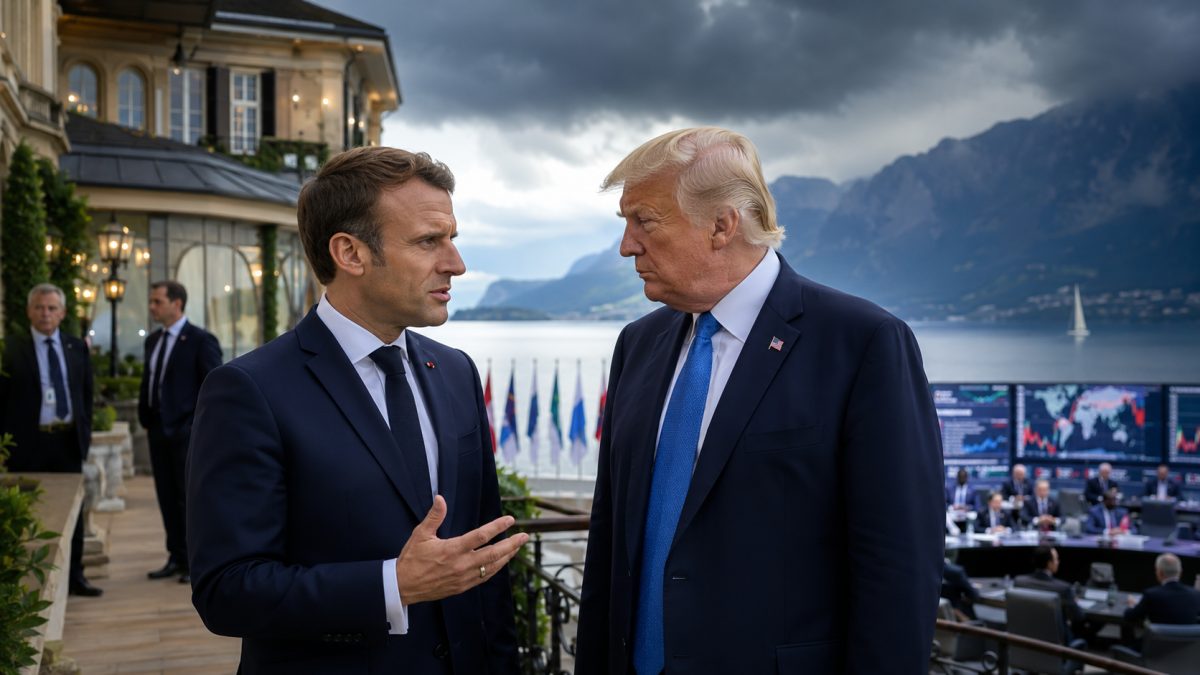
Article and image created with the help of AI



United States - Russia: Toward a New Era of Cooperation… or Domination?
Since late February and early March 2025, a major turning point has occurred in United States foreign policy toward Russia. Under the presidency of Donald Trump, several recent decisions reflect a strategic rapprochement between Washington and Moscow, marking a break with American policy in recent years.
Cyber Operations Paused
On March 3, 2025, the United States ordered a suspension of its offensive cyber operations against Russia. This unprecedented decision illustrates a desire for de-escalation in a key area of geopolitical conflict between the two powers.
Discussions on Air Links
On February 28, 2025, Russia proposed to the United States the restoration of air links, interrupted for several years due to growing tensions. This initiative is part of a dynamic of renewed diplomatic contacts, initiated by Donald Trump and Vladimir Putin.
Restoration of Diplomatic Missions
During a meeting in Riyadh in February 2025, the United States and Russia agreed to restore the normal functioning of their respective diplomatic missions. This agreement marks a stated willingness of both countries to resume dialogue on a more constructive basis.
Furthermore, on March 6, 2025, Vladimir Putin appointed Alexandre Darchiev as the new Russian ambassador to the United States, reinforcing this rapprochement dynamic.
Trump - Zelensky Meeting: A Diplomatic Clash
Ukraine possesses significant reserves of rare earths, strategic resources essential to modern technologies. Facing the Russian invasion, Ukrainian President Volodymyr Zelensky had hoped to secure enhanced military support from the United States. However, true to his transactional approach, Donald Trump conditioned this aid on privileged access to Ukrainian mineral resources. This proposal was perceived as an opportunistic attempt to exploit Ukraine's critical situation for economic gain.
A Meeting That Turned Into a Clash
Initially intended to finalize a mining exploitation agreement, the meeting between Trump and Zelensky quickly turned into conflict. Donald Trump reportedly accused the Ukrainian president of "playing with World War III," before abruptly ending the discussions. He canceled the joint press conference as well as the signing of the agreement, leaving total uncertainty over the future of American support for Ukraine.
This attitude fuels speculation about a possible sharing of Ukrainian resources between the United States and Russia, to the detriment of the European Union and the Kyiv government, who appear to be faced with a fait accompli.
A Troubling Ideological Reversal?
This radical change of course raises questions. Why do the United States, which have long positioned themselves as defenders of the free world, now seem to align with Russia and abandon Ukraine?
The brutality of this reversal leaves observers perplexed and raises concerns about the future of Western alliances. Are the democratic values and principles of solidarity that have guided American foreign policy for decades being sacrificed in favor of immediate economic and geopolitical interests?
The United States' shift toward an unabashed realpolitik stance, at the expense of its former allies, may well redraw the global balance of power in a lasting way.
Article and image created with the help of AI
United States - Russia: Toward a New Era of Cooperation… or Domination?
Since late February and early March 2025, a major turning point has occurred in United States foreign policy toward Russia. Under the presidency of Donald Trump, several recent decisions reflect a strategic rapprochement between Washington and Moscow, marking a break with American policy in recent years.
Cyber Operations Paused
On March 3, 2025, the United States ordered a suspension of its offensive cyber operations against Russia. This unprecedented decision illustrates a desire for de-escalation in a key area of geopolitical conflict between the two powers.
Discussions on Air Links
On February 28, 2025, Russia proposed to the United States the restoration of air links, interrupted for several years due to growing tensions. This initiative is part of a dynamic of renewed diplomatic contacts, initiated by Donald Trump and Vladimir Putin.
Restoration of Diplomatic Missions
During a meeting in Riyadh in February 2025, the United States and Russia agreed to restore the normal functioning of their respective diplomatic missions. This agreement marks a stated willingness of both countries to resume dialogue on a more constructive basis.
Furthermore, on March 6, 2025, Vladimir Putin appointed Alexandre Darchiev as the new Russian ambassador to the United States, reinforcing this rapprochement dynamic.
Trump - Zelensky Meeting: A Diplomatic Clash
Ukraine possesses significant reserves of rare earths, strategic resources essential to modern technologies. Facing the Russian invasion, Ukrainian President Volodymyr Zelensky had hoped to secure enhanced military support from the United States. However, true to his transactional approach, Donald Trump conditioned this aid on privileged access to Ukrainian mineral resources. This proposal was perceived as an opportunistic attempt to exploit Ukraine's critical situation for economic gain.
A Meeting That Turned Into a Clash
Initially intended to finalize a mining exploitation agreement, the meeting between Trump and Zelensky quickly turned into conflict. Donald Trump reportedly accused the Ukrainian president of "playing with World War III," before abruptly ending the discussions. He canceled the joint press conference as well as the signing of the agreement, leaving total uncertainty over the future of American support for Ukraine.
This attitude fuels speculation about a possible sharing of Ukrainian resources between the United States and Russia, to the detriment of the European Union and the Kyiv government, who appear to be faced with a fait accompli.
A Troubling Ideological Reversal?
This radical change of course raises questions. Why do the United States, which have long positioned themselves as defenders of the free world, now seem to align with Russia and abandon Ukraine?
The brutality of this reversal leaves observers perplexed and raises concerns about the future of Western alliances. Are the democratic values and principles of solidarity that have guided American foreign policy for decades being sacrificed in favor of immediate economic and geopolitical interests?
The United States' shift toward an unabashed realpolitik stance, at the expense of its former allies, may well redraw the global balance of power in a lasting way.
Article and image created with the help of AI