enEnglish
frFrench
esSpanish
zhChinese
jaJapanese
koKorean
hiHindi
deGerman
noNorwegian
Home Latest News Tutorials Consumer Culture Viral Videos Miscellaneous
DE EN ES FR HI JA KO NO ZH
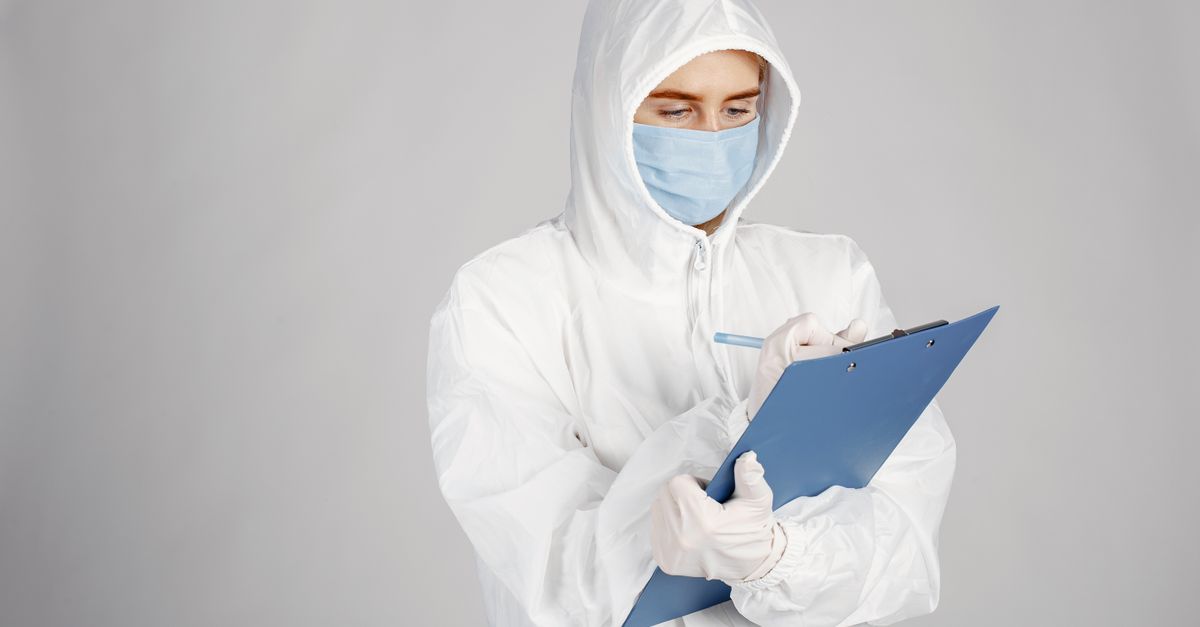
Medical protective equipment in a reference hospital facing serious infectious diseases

First Ebola case in France: what we know

Publié le 25 Juin 2026

The French Ministry of Health confirmed on Wednesday, June 24, 2026, the first case of Ebola virus disease detected on national territory. The patient is a humanitarian doctor returning from a mission in the Democratic Republic of the Congo (DRC), currently hospitalized in stable condition. France thus becomes the first country outside the African continent to record a case in connection with this epidemic.

Who is the patient and how was he infected?

The patient is a doctor working for the humanitarian NGO Alima, who was operating in an area of active virus circulation in eastern DRC. He traveled back from Kinshasa on a commercial flight while presenting almost no symptoms — only mild headaches at the time of boarding. Upon his arrival in France, health authorities placed him in isolation.

The doctor is now being cared for in a reference healthcare facility, under a strict biological safety protocol: negative-pressure room, dedicated equipment and adapted procedures to eliminate any risk of external contamination.

Which strain of the Ebola virus is involved?

The current epidemic involves a rare strain of the virus, known as Bundibugyo. This variant, first identified in Uganda in 2007, differs from better-known strains such as Zaire or Sudan. It has one particularly worrying feature: to date there is no approved vaccine and no specific treatment against it.

The World Health Organization (WHO) declared this epidemic a public health emergency of international concern as early as May 17, 2026, because of its simultaneous spread in the DRC and Uganda. The French case marks a new stage in its geographical evolution.

What are the risks for the French population?

European and French authorities agree that the risk to the general population is very low. The European Centre for Disease Prevention and Control (ECDC) states in its assessment that the risk of infection is “low” for European residents and travelers going to areas of active circulation, and “very low” for the general population.

The Ebola virus is not transmitted through the air: it requires direct contact with the bodily fluids of a sick or deceased person. The precautionary measures imposed on the patient upon arrival greatly reduce the likelihood of transmission.

Contact tracing: who is concerned?

An epidemiological investigation is under way to identify all people who may have been in contact with the doctor since his departure from Kinshasa. These people — notably possible passengers seated nearby on the plane, crew members or close contacts on the ground — will be placed under home monitoring for 21 days, corresponding to the virus's maximum incubation period.

Health authorities stress that this tracing is a standard precautionary measure and not a sign that these people have actually been infected.

The epidemic context in Africa

The Bundibugyo Ebola virus epidemic has been spreading for several weeks in eastern DRC, a region already weakened by years of armed conflict that complicate the work of health teams. Neighboring Uganda is also affected. The Institut Pasteur in Paris has been mobilized for diagnosis and research, in coordination with Congolese authorities.

For travelers heading to these regions, health authorities continue to recommend avoiding any contact with sick people and reporting any symptoms quickly upon return.

What should you do if you think you were exposed?

If you were on a flight from Kinshasa in the days preceding this announcement, or if you had close contact with the patient, authorities ask you to:

  • Contact 15 (SAMU) or your general practitioner without going to an ordinary medical office.
  • Describe your situation and any possible symptoms precisely.
  • Do not go to the emergency room on your own initiative, to avoid any cross-risk.

A rare but feared event

The occurrence of an Ebola case in France was a scenario anticipated and prepared for by health authorities for years. Reference healthcare facilities across the country have well-established protocols to receive and treat this type of patient in secure conditions. The speed with which the case was detected and managed illustrates the effectiveness of this system.

For now, the Ministry of Health is calling for calm and reasoned vigilance. The situation is being monitored in real time by Santé publique France and the ECDC. Regular situation updates will be issued in the coming days.

Tags
Ebola France
Ebola case 2026
humanitarian doctor
Bundibugyo
DRC epidemic
Envoyer à un ami
Signaler cet article
A propos de l'auteur
Medical protective equipment in a reference hospital facing serious infectious diseases

First Ebola case in France: what we know

Publié le 25 Juin 2026

The French Ministry of Health confirmed on Wednesday, June 24, 2026, the first case of Ebola virus disease detected on national territory. The patient is a humanitarian doctor returning from a mission in the Democratic Republic of the Congo (DRC), currently hospitalized in stable condition. France thus becomes the first country outside the African continent to record a case in connection with this epidemic.

Who is the patient and how was he infected?

The patient is a doctor working for the humanitarian NGO Alima, who was operating in an area of active virus circulation in eastern DRC. He traveled back from Kinshasa on a commercial flight while presenting almost no symptoms — only mild headaches at the time of boarding. Upon his arrival in France, health authorities placed him in isolation.

The doctor is now being cared for in a reference healthcare facility, under a strict biological safety protocol: negative-pressure room, dedicated equipment and adapted procedures to eliminate any risk of external contamination.

Which strain of the Ebola virus is involved?

The current epidemic involves a rare strain of the virus, known as Bundibugyo. This variant, first identified in Uganda in 2007, differs from better-known strains such as Zaire or Sudan. It has one particularly worrying feature: to date there is no approved vaccine and no specific treatment against it.

The World Health Organization (WHO) declared this epidemic a public health emergency of international concern as early as May 17, 2026, because of its simultaneous spread in the DRC and Uganda. The French case marks a new stage in its geographical evolution.

What are the risks for the French population?

European and French authorities agree that the risk to the general population is very low. The European Centre for Disease Prevention and Control (ECDC) states in its assessment that the risk of infection is “low” for European residents and travelers going to areas of active circulation, and “very low” for the general population.

The Ebola virus is not transmitted through the air: it requires direct contact with the bodily fluids of a sick or deceased person. The precautionary measures imposed on the patient upon arrival greatly reduce the likelihood of transmission.

Contact tracing: who is concerned?

An epidemiological investigation is under way to identify all people who may have been in contact with the doctor since his departure from Kinshasa. These people — notably possible passengers seated nearby on the plane, crew members or close contacts on the ground — will be placed under home monitoring for 21 days, corresponding to the virus's maximum incubation period.

Health authorities stress that this tracing is a standard precautionary measure and not a sign that these people have actually been infected.

The epidemic context in Africa

The Bundibugyo Ebola virus epidemic has been spreading for several weeks in eastern DRC, a region already weakened by years of armed conflict that complicate the work of health teams. Neighboring Uganda is also affected. The Institut Pasteur in Paris has been mobilized for diagnosis and research, in coordination with Congolese authorities.

For travelers heading to these regions, health authorities continue to recommend avoiding any contact with sick people and reporting any symptoms quickly upon return.

What should you do if you think you were exposed?

If you were on a flight from Kinshasa in the days preceding this announcement, or if you had close contact with the patient, authorities ask you to:

  • Contact 15 (SAMU) or your general practitioner without going to an ordinary medical office.
  • Describe your situation and any possible symptoms precisely.
  • Do not go to the emergency room on your own initiative, to avoid any cross-risk.

A rare but feared event

The occurrence of an Ebola case in France was a scenario anticipated and prepared for by health authorities for years. Reference healthcare facilities across the country have well-established protocols to receive and treat this type of patient in secure conditions. The speed with which the case was detected and managed illustrates the effectiveness of this system.

For now, the Ministry of Health is calling for calm and reasoned vigilance. The situation is being monitored in real time by Santé publique France and the ECDC. Regular situation updates will be issued in the coming days.

Tags
Ebola France
Ebola case 2026
humanitarian doctor
Bundibugyo
DRC epidemic
Envoyer à un ami
Signaler cet article
A propos de l'auteur
Medical protective equipment in a reference hospital facing serious infectious diseases

First Ebola case in France: what we know

Publié le 25 Juin 2026

The French Ministry of Health confirmed on Wednesday, June 24, 2026, the first case of Ebola virus disease detected on national territory. The patient is a humanitarian doctor returning from a mission in the Democratic Republic of the Congo (DRC), currently hospitalized in stable condition. France thus becomes the first country outside the African continent to record a case in connection with this epidemic.

Who is the patient and how was he infected?

The patient is a doctor working for the humanitarian NGO Alima, who was operating in an area of active virus circulation in eastern DRC. He traveled back from Kinshasa on a commercial flight while presenting almost no symptoms — only mild headaches at the time of boarding. Upon his arrival in France, health authorities placed him in isolation.

The doctor is now being cared for in a reference healthcare facility, under a strict biological safety protocol: negative-pressure room, dedicated equipment and adapted procedures to eliminate any risk of external contamination.

Which strain of the Ebola virus is involved?

The current epidemic involves a rare strain of the virus, known as Bundibugyo. This variant, first identified in Uganda in 2007, differs from better-known strains such as Zaire or Sudan. It has one particularly worrying feature: to date there is no approved vaccine and no specific treatment against it.

The World Health Organization (WHO) declared this epidemic a public health emergency of international concern as early as May 17, 2026, because of its simultaneous spread in the DRC and Uganda. The French case marks a new stage in its geographical evolution.

What are the risks for the French population?

European and French authorities agree that the risk to the general population is very low. The European Centre for Disease Prevention and Control (ECDC) states in its assessment that the risk of infection is “low” for European residents and travelers going to areas of active circulation, and “very low” for the general population.

The Ebola virus is not transmitted through the air: it requires direct contact with the bodily fluids of a sick or deceased person. The precautionary measures imposed on the patient upon arrival greatly reduce the likelihood of transmission.

Contact tracing: who is concerned?

An epidemiological investigation is under way to identify all people who may have been in contact with the doctor since his departure from Kinshasa. These people — notably possible passengers seated nearby on the plane, crew members or close contacts on the ground — will be placed under home monitoring for 21 days, corresponding to the virus's maximum incubation period.

Health authorities stress that this tracing is a standard precautionary measure and not a sign that these people have actually been infected.

The epidemic context in Africa

The Bundibugyo Ebola virus epidemic has been spreading for several weeks in eastern DRC, a region already weakened by years of armed conflict that complicate the work of health teams. Neighboring Uganda is also affected. The Institut Pasteur in Paris has been mobilized for diagnosis and research, in coordination with Congolese authorities.

For travelers heading to these regions, health authorities continue to recommend avoiding any contact with sick people and reporting any symptoms quickly upon return.

What should you do if you think you were exposed?

If you were on a flight from Kinshasa in the days preceding this announcement, or if you had close contact with the patient, authorities ask you to:

  • Contact 15 (SAMU) or your general practitioner without going to an ordinary medical office.
  • Describe your situation and any possible symptoms precisely.
  • Do not go to the emergency room on your own initiative, to avoid any cross-risk.

A rare but feared event

The occurrence of an Ebola case in France was a scenario anticipated and prepared for by health authorities for years. Reference healthcare facilities across the country have well-established protocols to receive and treat this type of patient in secure conditions. The speed with which the case was detected and managed illustrates the effectiveness of this system.

For now, the Ministry of Health is calling for calm and reasoned vigilance. The situation is being monitored in real time by Santé publique France and the ECDC. Regular situation updates will be issued in the coming days.

Tags
Ebola France
Ebola case 2026
humanitarian doctor
Bundibugyo
DRC epidemic
Envoyer à un ami
Signaler cet article
A propos de l'auteur