

Magnitude 7.8 earthquake in the Philippines: 35 dead and tsunami warning on June 8, 2026
A violent earthquake of magnitude 7.8 struck the island of Mindanao in the southern Philippines on Monday morning, June 8, 2026. The still provisional human toll reports at least 35 dead, around a dozen missing and more than 134 injured. The quake also triggered a tsunami warning in several Pacific countries, including Japan, Indonesia and Taiwan.
A powerful earthquake off Sarangani
According to the United States Geological Survey (USGS), the main shock occurred at 7:37 a.m. local time, about 24 kilometers off the province of Sarangani, on the island of Mindanao, at a depth reassessed at 55 kilometers. This relatively shallow depth explains the intensity of the damage felt on the surface.
Mindanao is one of the most seismically active regions of the Philippines, an archipelago located on the Pacific Ring of Fire. This chain of seismic and volcanic zones surrounds the Pacific Ocean and accounts for nearly 90% of the world's earthquakes. The Philippines, trapped between several tectonic plates, regularly experiences strong earthquakes.
Victim toll: at least 35 dead and around a dozen missing
The National Disaster Risk Reduction and Management Council (NDRRMC) quickly released an initial toll, still likely to rise as rescue operations continue. At least 35 people lost their lives, while around a dozen remain missing under the rubble or were victims of a landslide that occurred in the minutes following the main shock.
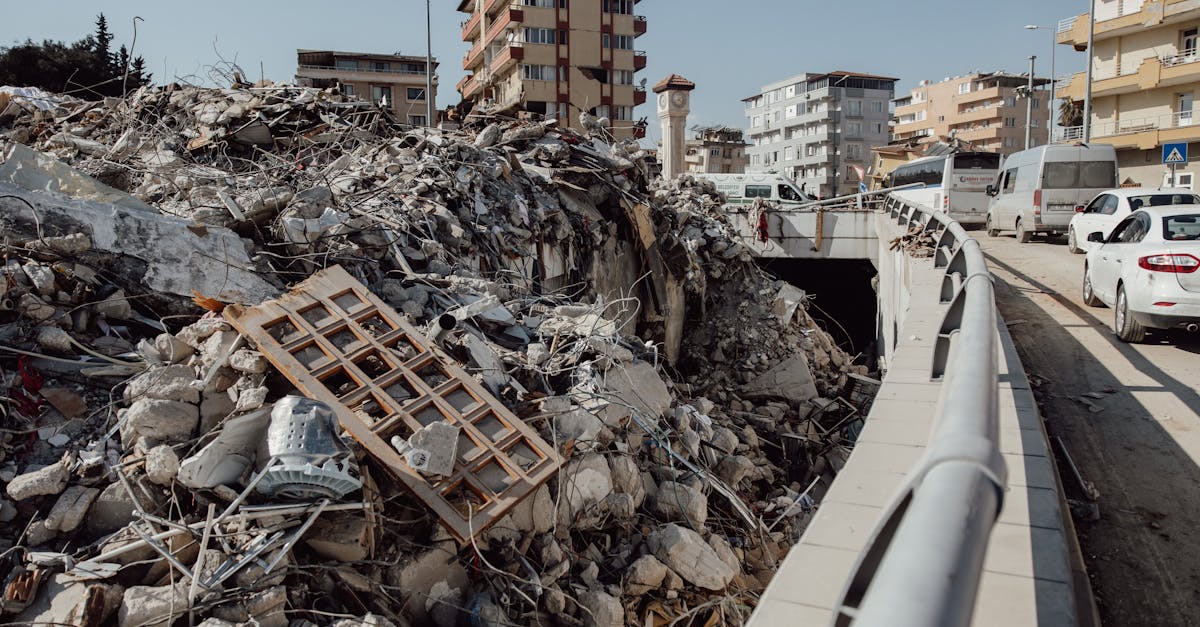
More than 134 injured people have been recorded, mainly in coastal areas and in the city of General Santos, one of Mindanao's largest urban areas. Several buildings, including residential blocks and public infrastructure, collapsed under the force of the tremors. Houses built from light materials were swallowed by a landslide that cut off access roads, complicating the delivery of aid.
Tsunami warning: Philippines, Indonesia, Japan and Taiwan on alert
Shortly after the earthquake, the Pacific Tsunami Warning Center (PTWC) issued a tsunami warning for several Pacific coastal countries. In the Philippines, authorities immediately ordered the evacuation of coastal areas along the entire coastline of Mindanao.
Waves of 1 to 3 meters were anticipated in the Philippines, and up to 1 meter in Japan and Indonesia. A tsunami of about one meter was indeed recorded at several points along the Philippine coast. Damage caused by these waves was reported in at least one coastal village, whose residents had to flee in haste.
In Taiwan, authorities placed coastal populations in the south of the island on maximum alert. Civil protection services sent emergency messages by mobile phone to all residents in risk areas, urging them to immediately move to higher ground.
Numerous aftershocks, including one of magnitude 6.5
In the hours following the main shock, more than a dozen aftershocks were recorded. One of them reached a magnitude of 6.5, a level sufficient to cause significant damage on its own. These aftershocks prolong panic among the population and complicate rescue operations, with rescue teams regularly having to interrupt their searches for their own safety.
The city of General Santos accounts for most of the reported damage: power outages, cracks in roads, and buildings partially or completely destroyed. Philippine Red Cross teams were deployed on site with emergency medical equipment and tents to shelter disaster victims.
Authorities' response and international aid
The Philippine president declared a state of calamity in the hardest-hit provinces of Mindanao, releasing emergency funds to finance rescue operations and the reconstruction of damaged infrastructure. The Philippine army dispatched helicopters and rescue ships to the most isolated coastal areas, which are difficult to reach by land because of landslides.
Several countries immediately offered assistance. Japan, regularly hit by earthquakes and recognized for its expertise in natural disaster management, offered to send teams specialized in searching through rubble. The United States, which maintains close ties with the Philippines, made medical personnel and humanitarian supplies available from its military base in the region.
The Philippines, a country used to earthquakes but never spared
The Philippines is among the countries most exposed to natural disasters in the world. Typhoons, active volcanoes, tsunamis and earthquakes are permanent risks for its more than 110 million inhabitants. In 2013, Super Typhoon Haiyan killed more than 6,000 people, and in 2019, a magnitude 6.6 earthquake in the north of the country caused around twenty deaths.
Despite major progress in prevention and early warning systems, the construction of many buildings, especially in rural areas and disadvantaged districts of major cities, does not always comply with earthquake-resistant standards. These are often the areas where the human toll is heaviest during strong earthquakes.
The international community is closely following the situation as rescue teams work to find possible survivors under the rubble. The final toll, expected in the coming hours, could unfortunately rise further.
Magnitude 7.8 earthquake in the Philippines: 35 dead and tsunami warning on June 8, 2026
A violent earthquake of magnitude 7.8 struck the island of Mindanao in the southern Philippines on Monday morning, June 8, 2026. The still provisional human toll reports at least 35 dead, around a dozen missing and more than 134 injured. The quake also triggered a tsunami warning in several Pacific countries, including Japan, Indonesia and Taiwan.
A powerful earthquake off Sarangani
According to the United States Geological Survey (USGS), the main shock occurred at 7:37 a.m. local time, about 24 kilometers off the province of Sarangani, on the island of Mindanao, at a depth reassessed at 55 kilometers. This relatively shallow depth explains the intensity of the damage felt on the surface.
Mindanao is one of the most seismically active regions of the Philippines, an archipelago located on the Pacific Ring of Fire. This chain of seismic and volcanic zones surrounds the Pacific Ocean and accounts for nearly 90% of the world's earthquakes. The Philippines, trapped between several tectonic plates, regularly experiences strong earthquakes.
Victim toll: at least 35 dead and around a dozen missing
The National Disaster Risk Reduction and Management Council (NDRRMC) quickly released an initial toll, still likely to rise as rescue operations continue. At least 35 people lost their lives, while around a dozen remain missing under the rubble or were victims of a landslide that occurred in the minutes following the main shock.
More than 134 injured people have been recorded, mainly in coastal areas and in the city of General Santos, one of Mindanao's largest urban areas. Several buildings, including residential blocks and public infrastructure, collapsed under the force of the tremors. Houses built from light materials were swallowed by a landslide that cut off access roads, complicating the delivery of aid.
Tsunami warning: Philippines, Indonesia, Japan and Taiwan on alert
Shortly after the earthquake, the Pacific Tsunami Warning Center (PTWC) issued a tsunami warning for several Pacific coastal countries. In the Philippines, authorities immediately ordered the evacuation of coastal areas along the entire coastline of Mindanao.
Waves of 1 to 3 meters were anticipated in the Philippines, and up to 1 meter in Japan and Indonesia. A tsunami of about one meter was indeed recorded at several points along the Philippine coast. Damage caused by these waves was reported in at least one coastal village, whose residents had to flee in haste.
In Taiwan, authorities placed coastal populations in the south of the island on maximum alert. Civil protection services sent emergency messages by mobile phone to all residents in risk areas, urging them to immediately move to higher ground.
Numerous aftershocks, including one of magnitude 6.5
In the hours following the main shock, more than a dozen aftershocks were recorded. One of them reached a magnitude of 6.5, a level sufficient to cause significant damage on its own. These aftershocks prolong panic among the population and complicate rescue operations, with rescue teams regularly having to interrupt their searches for their own safety.
The city of General Santos accounts for most of the reported damage: power outages, cracks in roads, and buildings partially or completely destroyed. Philippine Red Cross teams were deployed on site with emergency medical equipment and tents to shelter disaster victims.
Authorities' response and international aid
The Philippine president declared a state of calamity in the hardest-hit provinces of Mindanao, releasing emergency funds to finance rescue operations and the reconstruction of damaged infrastructure. The Philippine army dispatched helicopters and rescue ships to the most isolated coastal areas, which are difficult to reach by land because of landslides.
Several countries immediately offered assistance. Japan, regularly hit by earthquakes and recognized for its expertise in natural disaster management, offered to send teams specialized in searching through rubble. The United States, which maintains close ties with the Philippines, made medical personnel and humanitarian supplies available from its military base in the region.
The Philippines, a country used to earthquakes but never spared
The Philippines is among the countries most exposed to natural disasters in the world. Typhoons, active volcanoes, tsunamis and earthquakes are permanent risks for its more than 110 million inhabitants. In 2013, Super Typhoon Haiyan killed more than 6,000 people, and in 2019, a magnitude 6.6 earthquake in the north of the country caused around twenty deaths.
Despite major progress in prevention and early warning systems, the construction of many buildings, especially in rural areas and disadvantaged districts of major cities, does not always comply with earthquake-resistant standards. These are often the areas where the human toll is heaviest during strong earthquakes.
The international community is closely following the situation as rescue teams work to find possible survivors under the rubble. The final toll, expected in the coming hours, could unfortunately rise further.
Magnitude 7.8 earthquake in the Philippines: 35 dead and tsunami warning on June 8, 2026
A violent earthquake of magnitude 7.8 struck the island of Mindanao in the southern Philippines on Monday morning, June 8, 2026. The still provisional human toll reports at least 35 dead, around a dozen missing and more than 134 injured. The quake also triggered a tsunami warning in several Pacific countries, including Japan, Indonesia and Taiwan.
A powerful earthquake off Sarangani
According to the United States Geological Survey (USGS), the main shock occurred at 7:37 a.m. local time, about 24 kilometers off the province of Sarangani, on the island of Mindanao, at a depth reassessed at 55 kilometers. This relatively shallow depth explains the intensity of the damage felt on the surface.
Mindanao is one of the most seismically active regions of the Philippines, an archipelago located on the Pacific Ring of Fire. This chain of seismic and volcanic zones surrounds the Pacific Ocean and accounts for nearly 90% of the world's earthquakes. The Philippines, trapped between several tectonic plates, regularly experiences strong earthquakes.
Victim toll: at least 35 dead and around a dozen missing
The National Disaster Risk Reduction and Management Council (NDRRMC) quickly released an initial toll, still likely to rise as rescue operations continue. At least 35 people lost their lives, while around a dozen remain missing under the rubble or were victims of a landslide that occurred in the minutes following the main shock.
More than 134 injured people have been recorded, mainly in coastal areas and in the city of General Santos, one of Mindanao's largest urban areas. Several buildings, including residential blocks and public infrastructure, collapsed under the force of the tremors. Houses built from light materials were swallowed by a landslide that cut off access roads, complicating the delivery of aid.
Tsunami warning: Philippines, Indonesia, Japan and Taiwan on alert
Shortly after the earthquake, the Pacific Tsunami Warning Center (PTWC) issued a tsunami warning for several Pacific coastal countries. In the Philippines, authorities immediately ordered the evacuation of coastal areas along the entire coastline of Mindanao.
Waves of 1 to 3 meters were anticipated in the Philippines, and up to 1 meter in Japan and Indonesia. A tsunami of about one meter was indeed recorded at several points along the Philippine coast. Damage caused by these waves was reported in at least one coastal village, whose residents had to flee in haste.
In Taiwan, authorities placed coastal populations in the south of the island on maximum alert. Civil protection services sent emergency messages by mobile phone to all residents in risk areas, urging them to immediately move to higher ground.
Numerous aftershocks, including one of magnitude 6.5
In the hours following the main shock, more than a dozen aftershocks were recorded. One of them reached a magnitude of 6.5, a level sufficient to cause significant damage on its own. These aftershocks prolong panic among the population and complicate rescue operations, with rescue teams regularly having to interrupt their searches for their own safety.
The city of General Santos accounts for most of the reported damage: power outages, cracks in roads, and buildings partially or completely destroyed. Philippine Red Cross teams were deployed on site with emergency medical equipment and tents to shelter disaster victims.
Authorities' response and international aid
The Philippine president declared a state of calamity in the hardest-hit provinces of Mindanao, releasing emergency funds to finance rescue operations and the reconstruction of damaged infrastructure. The Philippine army dispatched helicopters and rescue ships to the most isolated coastal areas, which are difficult to reach by land because of landslides.
Several countries immediately offered assistance. Japan, regularly hit by earthquakes and recognized for its expertise in natural disaster management, offered to send teams specialized in searching through rubble. The United States, which maintains close ties with the Philippines, made medical personnel and humanitarian supplies available from its military base in the region.
The Philippines, a country used to earthquakes but never spared
The Philippines is among the countries most exposed to natural disasters in the world. Typhoons, active volcanoes, tsunamis and earthquakes are permanent risks for its more than 110 million inhabitants. In 2013, Super Typhoon Haiyan killed more than 6,000 people, and in 2019, a magnitude 6.6 earthquake in the north of the country caused around twenty deaths.
Despite major progress in prevention and early warning systems, the construction of many buildings, especially in rural areas and disadvantaged districts of major cities, does not always comply with earthquake-resistant standards. These are often the areas where the human toll is heaviest during strong earthquakes.
The international community is closely following the situation as rescue teams work to find possible survivors under the rubble. The final toll, expected in the coming hours, could unfortunately rise further.
English
French
Spanish
Chinese
Japanese
Korean
Hindi
German
Norwegian