

Chargement ...
🍪

En poursuivant votre navigation sur ce site, vous acceptez l'utilisation de Cookies qui garantissent son bon fonctionnement.

esSpanish
frFrench
enEnglish
zhChinese
jaJapanese
koKorean
hiHindi
deGerman
noNorwegian
Recherche article
Me connecter
Fleche top bulle Fleche top bulle
EN ES FR JA ZH
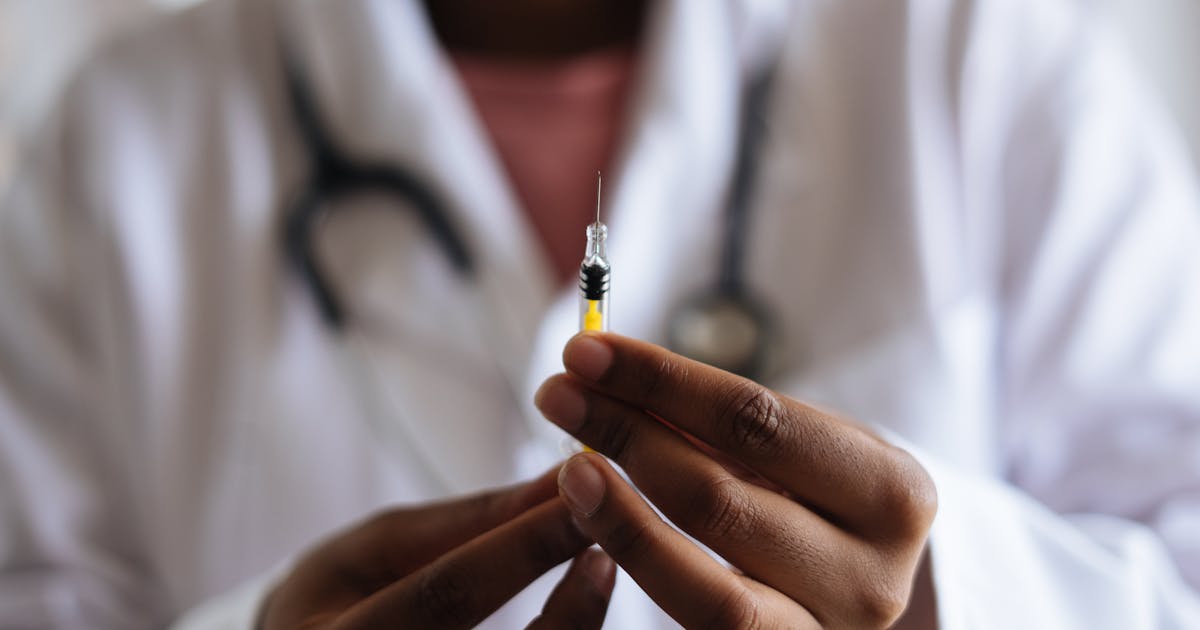
Researchers in a laboratory working on the development of an mRNA cancer vaccine

mRNA Cancer Vaccines: The Medical Revolution of 2026

Publié le 09 Mai 2026

In 2026, medicine reaches a historic milestone: messenger RNA (mRNA) vaccines are no longer used solely to prevent infections. They now target cancer, with results that were still unimaginable five years ago. BioNTech, Moderna, and several European university research teams are announcing clinical trials with promising — even spectacular — results. Here is what you need to know.

How does an mRNA cancer vaccine work?

Unlike conventional preventive vaccines, therapeutic cancer vaccines do not aim to prevent a disease from appearing: they are administered after diagnosis, to mobilize the patient's immune system against their own tumor cells.

The principle is based on mRNA technology: a messenger RNA sequence is injected into the patient, encoding antigens specific to their tumor — proteins called neoantigens, derived from mutations unique to their cancer. The immune system learns to recognize these markers and to target the cells that carry them.

Each vaccine is therefore personalized: produced within a few weeks from a tumor biopsy, it is entirely tailored to the genomic profile of the patient's tumor. That is the revolution.

The results making headlines in 2026

BioNTech and its vaccine with 88% efficacy

German laboratory BioNTech — co-developer of the Pfizer-BioNTech vaccine against Covid-19 — is targeting commercialization of a first anti-cancer treatment in 2026. Its trials on certain skin cancers (melanomas) show stunning efficacy: 88% reduction in recurrence risk combined with pembrolizumab immunotherapy. These figures, presented at ASCO (American Society of Clinical Oncology), sent shockwaves through the medical community.

The pancreatic cancer vaccine offers hope

Pancreatic cancer is one of the most formidable: its five-year survival rate rarely exceeds 10%. In 2026, results presented at the American Association for Cancer Research conference reveal that among patients who developed an immune response to the personalized mRNA vaccine, 87.5% were still alive six years after the start of treatment. A result considered remarkable for this pathology.

The Pfizer 2026 Prize rewards a Geneva team

The University Hospital of Geneva (HUG) and the University of Geneva received the Pfizer 2026 Prize for their therapeutic vaccine MVX-ONCO-1. In their study, more than half of the patients showed clinical benefit — ranging from disease stabilization to significantly prolonged survival. A strong signal confirming the viability of these personalized immunological approaches.

Why 2026 is a pivotal year

Several factors converge to make 2026 a turning point:

  • Manufacturing times have dropped: producing a personalized mRNA vaccine now takes less than six weeks, compared to several months previously. Logistics are improving and costs are falling.
  • Regulators are accelerating: the American FDA and European EMA have implemented accelerated approval procedures for innovative therapies against cancers with poor prognosis.
  • Trials are multiplying: more than 200 clinical trials involving anti-cancer mRNA vaccines are currently underway worldwide. Melanoma, lung, colon, pancreas, breast — almost all types of tumors are involved.
  • Synergies with immunotherapy: combined with checkpoint inhibitors, mRNA vaccines dramatically amplify the activation of cytotoxic T lymphocytes — the cancer-killing cells.

Which cancers are targeted as a priority?

Not all cancers respond in the same way to these vaccines. So-called immunogenic tumors — those with many mutations and therefore many neoantigens — are the best candidates. This is the case for melanoma, non-small cell lung cancer, colorectal cancer with microsatellite instability, and to some extent bladder and kidney cancers.

On the other hand, so-called "cold" cancers — those that naturally evade the immune system — remain a challenge. Research is underway to "warm them up" before vaccine injection, notably through short chemotherapy courses or prior targeted therapies.

What about side effects?

One of the major advantages of therapeutic mRNA vaccines is their tolerability profile. Unlike traditional chemotherapy, they do not indiscriminately destroy healthy cells. The observed side effects are primarily local reactions at the injection site (redness, swelling), transient fatigue, and sometimes mild fever — typical effects of immune stimulation.

More serious autoimmune effects have been observed in a minority of cases, but they remain rare and generally manageable, especially when the vaccine is used without associated immunotherapy.

When will these treatments be available in France?

BioNTech plans to file a marketing authorization request with the EMA for its anti-melanoma vaccine by the end of 2026. If approval is granted within the usual timeframe (12 to 18 months), the first French patients could gain access during 2027 or 2028, initially through early access programs.

For other cancers, timelines will be longer: phase III trials are still ongoing for the majority of them. But the momentum is clear, and experts are unanimous: anti-cancer mRNA vaccines are no longer science fiction. They are entering the era of precision medicine.

"We are at the dawn of a new therapeutic era. Messenger RNA will transform oncology as it transformed vaccinology." — Ugur Sahin, CEO of BioNTech

Key takeaways

mRNA cancer vaccines represent one of the most significant medical advances since immunotherapy. In 2026, clinical evidence is accumulating, regulators are adapting, and industry players are accelerating. If you or a loved one are facing a cancer diagnosis, speak to your oncologist: some clinical trials are open for enrollment, and medical teams are increasingly active in these innovative protocols.

The war against cancer is entering a new phase. And for the first time, hope rests on a technology that learns to read — and destroy — cancer from within.

Tags
cancer mRNA vaccine
cancer treatment 2026
BioNTech cancer
mRNA immunotherapy
therapeutic tumor vaccine
Envoyer à un ami
Signaler cet article
A propos de l'auteur
Researchers in a laboratory working on the development of an mRNA cancer vaccine

mRNA Cancer Vaccines: The Medical Revolution of 2026

Publié le 09 Mai 2026

In 2026, medicine reaches a historic milestone: messenger RNA (mRNA) vaccines are no longer used solely to prevent infections. They now target cancer, with results that were still unimaginable five years ago. BioNTech, Moderna, and several European university research teams are announcing clinical trials with promising — even spectacular — results. Here is what you need to know.

How does an mRNA cancer vaccine work?

Unlike conventional preventive vaccines, therapeutic cancer vaccines do not aim to prevent a disease from appearing: they are administered after diagnosis, to mobilize the patient's immune system against their own tumor cells.

The principle is based on mRNA technology: a messenger RNA sequence is injected into the patient, encoding antigens specific to their tumor — proteins called neoantigens, derived from mutations unique to their cancer. The immune system learns to recognize these markers and to target the cells that carry them.

Each vaccine is therefore personalized: produced within a few weeks from a tumor biopsy, it is entirely tailored to the genomic profile of the patient's tumor. That is the revolution.

The results making headlines in 2026

BioNTech and its vaccine with 88% efficacy

German laboratory BioNTech — co-developer of the Pfizer-BioNTech vaccine against Covid-19 — is targeting commercialization of a first anti-cancer treatment in 2026. Its trials on certain skin cancers (melanomas) show stunning efficacy: 88% reduction in recurrence risk combined with pembrolizumab immunotherapy. These figures, presented at ASCO (American Society of Clinical Oncology), sent shockwaves through the medical community.

The pancreatic cancer vaccine offers hope

Pancreatic cancer is one of the most formidable: its five-year survival rate rarely exceeds 10%. In 2026, results presented at the American Association for Cancer Research conference reveal that among patients who developed an immune response to the personalized mRNA vaccine, 87.5% were still alive six years after the start of treatment. A result considered remarkable for this pathology.

The Pfizer 2026 Prize rewards a Geneva team

The University Hospital of Geneva (HUG) and the University of Geneva received the Pfizer 2026 Prize for their therapeutic vaccine MVX-ONCO-1. In their study, more than half of the patients showed clinical benefit — ranging from disease stabilization to significantly prolonged survival. A strong signal confirming the viability of these personalized immunological approaches.

Why 2026 is a pivotal year

Several factors converge to make 2026 a turning point:

  • Manufacturing times have dropped: producing a personalized mRNA vaccine now takes less than six weeks, compared to several months previously. Logistics are improving and costs are falling.
  • Regulators are accelerating: the American FDA and European EMA have implemented accelerated approval procedures for innovative therapies against cancers with poor prognosis.
  • Trials are multiplying: more than 200 clinical trials involving anti-cancer mRNA vaccines are currently underway worldwide. Melanoma, lung, colon, pancreas, breast — almost all types of tumors are involved.
  • Synergies with immunotherapy: combined with checkpoint inhibitors, mRNA vaccines dramatically amplify the activation of cytotoxic T lymphocytes — the cancer-killing cells.

Which cancers are targeted as a priority?

Not all cancers respond in the same way to these vaccines. So-called immunogenic tumors — those with many mutations and therefore many neoantigens — are the best candidates. This is the case for melanoma, non-small cell lung cancer, colorectal cancer with microsatellite instability, and to some extent bladder and kidney cancers.

On the other hand, so-called "cold" cancers — those that naturally evade the immune system — remain a challenge. Research is underway to "warm them up" before vaccine injection, notably through short chemotherapy courses or prior targeted therapies.

What about side effects?

One of the major advantages of therapeutic mRNA vaccines is their tolerability profile. Unlike traditional chemotherapy, they do not indiscriminately destroy healthy cells. The observed side effects are primarily local reactions at the injection site (redness, swelling), transient fatigue, and sometimes mild fever — typical effects of immune stimulation.

More serious autoimmune effects have been observed in a minority of cases, but they remain rare and generally manageable, especially when the vaccine is used without associated immunotherapy.

When will these treatments be available in France?

BioNTech plans to file a marketing authorization request with the EMA for its anti-melanoma vaccine by the end of 2026. If approval is granted within the usual timeframe (12 to 18 months), the first French patients could gain access during 2027 or 2028, initially through early access programs.

For other cancers, timelines will be longer: phase III trials are still ongoing for the majority of them. But the momentum is clear, and experts are unanimous: anti-cancer mRNA vaccines are no longer science fiction. They are entering the era of precision medicine.

"We are at the dawn of a new therapeutic era. Messenger RNA will transform oncology as it transformed vaccinology." — Ugur Sahin, CEO of BioNTech

Key takeaways

mRNA cancer vaccines represent one of the most significant medical advances since immunotherapy. In 2026, clinical evidence is accumulating, regulators are adapting, and industry players are accelerating. If you or a loved one are facing a cancer diagnosis, speak to your oncologist: some clinical trials are open for enrollment, and medical teams are increasingly active in these innovative protocols.

The war against cancer is entering a new phase. And for the first time, hope rests on a technology that learns to read — and destroy — cancer from within.

Tags
cancer mRNA vaccine
cancer treatment 2026
BioNTech cancer
mRNA immunotherapy
therapeutic tumor vaccine
Envoyer à un ami
Signaler cet article
A propos de l'auteur
Researchers in a laboratory working on the development of an mRNA cancer vaccine

mRNA Cancer Vaccines: The Medical Revolution of 2026

Publié le 09 Mai 2026

In 2026, medicine reaches a historic milestone: messenger RNA (mRNA) vaccines are no longer used solely to prevent infections. They now target cancer, with results that were still unimaginable five years ago. BioNTech, Moderna, and several European university research teams are announcing clinical trials with promising — even spectacular — results. Here is what you need to know.

How does an mRNA cancer vaccine work?

Unlike conventional preventive vaccines, therapeutic cancer vaccines do not aim to prevent a disease from appearing: they are administered after diagnosis, to mobilize the patient's immune system against their own tumor cells.

The principle is based on mRNA technology: a messenger RNA sequence is injected into the patient, encoding antigens specific to their tumor — proteins called neoantigens, derived from mutations unique to their cancer. The immune system learns to recognize these markers and to target the cells that carry them.

Each vaccine is therefore personalized: produced within a few weeks from a tumor biopsy, it is entirely tailored to the genomic profile of the patient's tumor. That is the revolution.

The results making headlines in 2026

BioNTech and its vaccine with 88% efficacy

German laboratory BioNTech — co-developer of the Pfizer-BioNTech vaccine against Covid-19 — is targeting commercialization of a first anti-cancer treatment in 2026. Its trials on certain skin cancers (melanomas) show stunning efficacy: 88% reduction in recurrence risk combined with pembrolizumab immunotherapy. These figures, presented at ASCO (American Society of Clinical Oncology), sent shockwaves through the medical community.

The pancreatic cancer vaccine offers hope

Pancreatic cancer is one of the most formidable: its five-year survival rate rarely exceeds 10%. In 2026, results presented at the American Association for Cancer Research conference reveal that among patients who developed an immune response to the personalized mRNA vaccine, 87.5% were still alive six years after the start of treatment. A result considered remarkable for this pathology.

The Pfizer 2026 Prize rewards a Geneva team

The University Hospital of Geneva (HUG) and the University of Geneva received the Pfizer 2026 Prize for their therapeutic vaccine MVX-ONCO-1. In their study, more than half of the patients showed clinical benefit — ranging from disease stabilization to significantly prolonged survival. A strong signal confirming the viability of these personalized immunological approaches.

Why 2026 is a pivotal year

Several factors converge to make 2026 a turning point:

  • Manufacturing times have dropped: producing a personalized mRNA vaccine now takes less than six weeks, compared to several months previously. Logistics are improving and costs are falling.
  • Regulators are accelerating: the American FDA and European EMA have implemented accelerated approval procedures for innovative therapies against cancers with poor prognosis.
  • Trials are multiplying: more than 200 clinical trials involving anti-cancer mRNA vaccines are currently underway worldwide. Melanoma, lung, colon, pancreas, breast — almost all types of tumors are involved.
  • Synergies with immunotherapy: combined with checkpoint inhibitors, mRNA vaccines dramatically amplify the activation of cytotoxic T lymphocytes — the cancer-killing cells.

Which cancers are targeted as a priority?

Not all cancers respond in the same way to these vaccines. So-called immunogenic tumors — those with many mutations and therefore many neoantigens — are the best candidates. This is the case for melanoma, non-small cell lung cancer, colorectal cancer with microsatellite instability, and to some extent bladder and kidney cancers.

On the other hand, so-called "cold" cancers — those that naturally evade the immune system — remain a challenge. Research is underway to "warm them up" before vaccine injection, notably through short chemotherapy courses or prior targeted therapies.

What about side effects?

One of the major advantages of therapeutic mRNA vaccines is their tolerability profile. Unlike traditional chemotherapy, they do not indiscriminately destroy healthy cells. The observed side effects are primarily local reactions at the injection site (redness, swelling), transient fatigue, and sometimes mild fever — typical effects of immune stimulation.

More serious autoimmune effects have been observed in a minority of cases, but they remain rare and generally manageable, especially when the vaccine is used without associated immunotherapy.

When will these treatments be available in France?

BioNTech plans to file a marketing authorization request with the EMA for its anti-melanoma vaccine by the end of 2026. If approval is granted within the usual timeframe (12 to 18 months), the first French patients could gain access during 2027 or 2028, initially through early access programs.

For other cancers, timelines will be longer: phase III trials are still ongoing for the majority of them. But the momentum is clear, and experts are unanimous: anti-cancer mRNA vaccines are no longer science fiction. They are entering the era of precision medicine.

"We are at the dawn of a new therapeutic era. Messenger RNA will transform oncology as it transformed vaccinology." — Ugur Sahin, CEO of BioNTech

Key takeaways

mRNA cancer vaccines represent one of the most significant medical advances since immunotherapy. In 2026, clinical evidence is accumulating, regulators are adapting, and industry players are accelerating. If you or a loved one are facing a cancer diagnosis, speak to your oncologist: some clinical trials are open for enrollment, and medical teams are increasingly active in these innovative protocols.

The war against cancer is entering a new phase. And for the first time, hope rests on a technology that learns to read — and destroy — cancer from within.

Tags
cancer mRNA vaccine
cancer treatment 2026
BioNTech cancer
mRNA immunotherapy
therapeutic tumor vaccine
Envoyer à un ami
Signaler cet article
A propos de l'auteur
20 Avril 2026 13:47:27

Vacunas ARNm contra el cancer: la revolucion personalizada de 2026

¿Y si la vacuna que te protege del cáncer estuviera fabricada específicamente para ti? Este escenario, relegado durante mucho tiempo a la ciencia ficción, se convierte en realidad en 2026. Las vacunas de ARN mensajero (ARNm), famosas por la lucha contra el Covid-19, se reinventan hoy como...
Leer mas
09 Mai 2026 22:43:42

Vacunas ARNm contra el cancer: la revolucion medica de 2026

En 2026, la medicina alcanza un hito histórico: las vacunas de ARN mensajero (ARNm) ya no se usan únicamente para prevenir infecciones. Ahora atacan el cáncer, con resultados que eran inimaginables hace cinco años. BioNTech, Moderna y varios equipos universitarios europeos anuncian ensayos...
Leer mas