

Loading...
🍪

En poursuivant votre navigation sur ce site, vous acceptez l'utilisation de Cookies qui garantissent son bon fonctionnement.

enEnglish
frFrench
esSpanish
zhChinese
jaJapanese
koKorean
hiHindi
deGerman
noNorwegian
Recherche article
Me connecter
Fleche top bulle Fleche top bulle
DE EN ES FR HI JA KO NO ZH
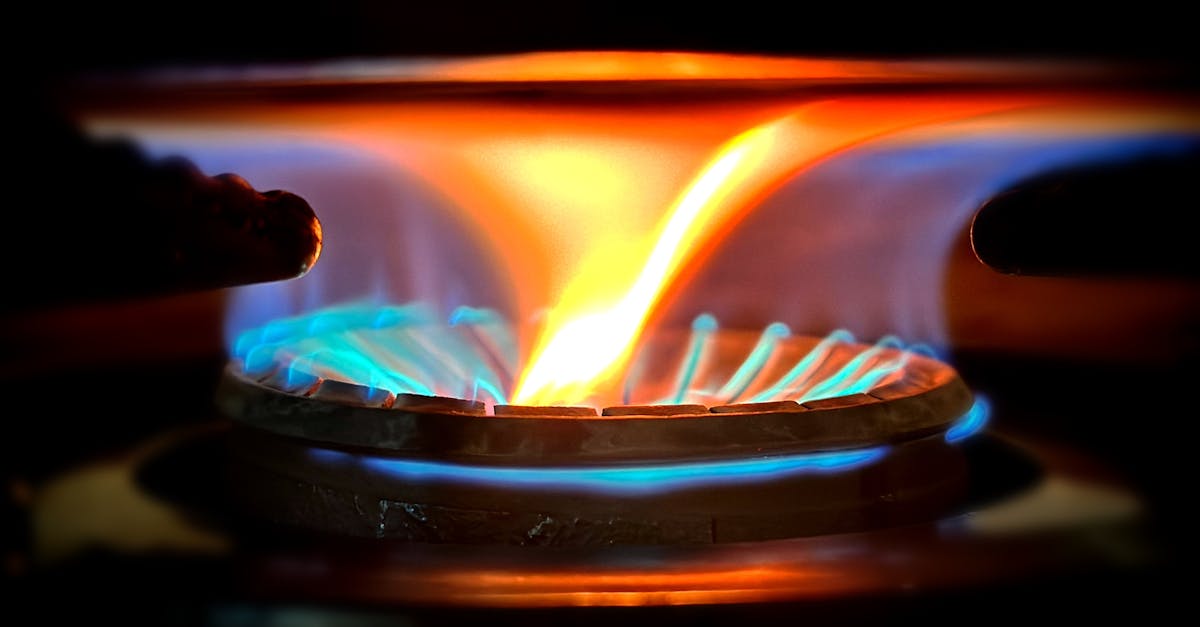
Natural gas valve with blue flame in a modern French kitchen

Gas Price Increase in May 2026: How to Reduce the Impact

Publié le 06 Mai 2026

Starting in May 2026, French households heating their homes with natural gas will feel a new financial blow. The gas reference selling price has increased by 15.4% on average, representing approximately 6 extra euros per month for a household consuming around 1,200 kWh per month. This increase comes at a time when the purchasing power of French households remains under pressure.

Why such a rise in gas prices?

Several factors explain this significant increase in gas rates in May 2026. First, persistent tensions on international energy markets, amplified by still-strong global demand. Then, the gradual end of certain cushioning mechanisms put in place in recent years to protect consumers from sharp price fluctuations.

The gas reference price is calculated monthly by the Ministry of the Economy and serves as a benchmark for all suppliers. It takes into account supply, transport, and distribution costs. When upstream costs rise, the increase inevitably impacts household bills.

In practice, a family heating their home with gas and using it for cooking and hot water could see their annual bill increase by an additional 70 to 90 euros. An amount that, added to other rising costs, can weigh heavily on the monthly budget.

Who is affected by this increase?

The increase directly affects natural gas subscribers, whether they have opted for a regulated rate or a market-indexed contract. In France, natural gas is still used by approximately 11 million households, mainly for central heating and domestic hot water production.

Tenants who pay heating charges to their landlord will also be affected, often with a few months' delay, at the time of the annual charges adjustment. Condominiums heated by collective gas will also need to review their provisions.

What solutions are there to reduce your gas bill?

In the face of this increase, several levers can help limit the impact on your budget. Here are the main areas to explore.

1. Optimize your boiler settings

The mandatory annual servicing of your gas boiler helps maintain its performance at maximum. A poorly adjusted boiler can consume up to 15% more gas. Also check the flow temperature of your installation: reducing it by just a few degrees can generate notable savings.

2. Program your heating intelligently

Programmable and smart thermostats allow you to adapt the temperature of your home to your actual schedule. Reducing the set point by 1°C represents on average a 7% saving on your annual consumption. Take advantage of off-peak hours to pre-heat rooms and turn off the heating when you are away.

3. Improve your home's insulation

Thermal insulation remains the most profitable long-term investment. Attics, walls, windows: every euro spent on insulation can generate considerable heating savings. State subsidies, such as MaPrimeRénov', remain available in 2026 to finance part of this work.

4. Compare offers from alternative suppliers

Since the opening of the energy market, many suppliers offer competitive rates. Online comparison tools allow you to quickly assess whether your current contract is well suited to your consumption profile. Some fixed-price contracts can protect you from future increases for a period of one to two years.

5. Consider an alternative to gas

If your installation is aging, replacing your gas boiler with an air-to-water heat pump can be an interesting opportunity. Although the initial investment is substantial, long-term savings and available subsidies make this option increasingly attractive. Electricity, especially when it comes from renewable sources, offers an increasingly competitive alternative.

Available assistance to cope with the increase

The State maintains several schemes to support the most modest households. The energy voucher, distributed each spring, allows approximately 5.6 million eligible households to cover part of their energy bills. Beneficiaries receive on average between 48 and 277 euros depending on their income and household composition.

To check your eligibility or report a change of situation, visit the official portal chequeenergie.gouv.fr. The voucher can be used directly as payment with your gas supplier.

"Good management of gas consumption can reduce your bill by 20 to 30%, simply by adopting the right habits and optimizing your installation."

Anticipating the coming months

Energy experts predict that gas prices could remain volatile in the coming months, depending on geopolitical tensions and weather conditions. It is therefore essential to anticipate and not wait for a new increase before taking action.

Regularly monitoring your consumption through the tracking tools offered by your supplier, carrying out an energy audit of your home, and comparing market offers are all actions that can make a real difference in the long run.

The May 2026 increase is certainly challenging, but it can also be an opportunity to rethink consumption habits and invest in sustainable solutions that will benefit your wallet — and the planet.

Tags
gas price May 2026
natural gas increase
gas bill
energy savings
gas rate
reduce gas consumption
Envoyer à un ami
Signaler cet article
A propos de l'auteur
Natural gas valve with blue flame in a modern French kitchen

Gas Price Increase in May 2026: How to Reduce the Impact

Publié le 06 Mai 2026

Starting in May 2026, French households heating their homes with natural gas will feel a new financial blow. The gas reference selling price has increased by 15.4% on average, representing approximately 6 extra euros per month for a household consuming around 1,200 kWh per month. This increase comes at a time when the purchasing power of French households remains under pressure.

Why such a rise in gas prices?

Several factors explain this significant increase in gas rates in May 2026. First, persistent tensions on international energy markets, amplified by still-strong global demand. Then, the gradual end of certain cushioning mechanisms put in place in recent years to protect consumers from sharp price fluctuations.

The gas reference price is calculated monthly by the Ministry of the Economy and serves as a benchmark for all suppliers. It takes into account supply, transport, and distribution costs. When upstream costs rise, the increase inevitably impacts household bills.

In practice, a family heating their home with gas and using it for cooking and hot water could see their annual bill increase by an additional 70 to 90 euros. An amount that, added to other rising costs, can weigh heavily on the monthly budget.

Who is affected by this increase?

The increase directly affects natural gas subscribers, whether they have opted for a regulated rate or a market-indexed contract. In France, natural gas is still used by approximately 11 million households, mainly for central heating and domestic hot water production.

Tenants who pay heating charges to their landlord will also be affected, often with a few months' delay, at the time of the annual charges adjustment. Condominiums heated by collective gas will also need to review their provisions.

What solutions are there to reduce your gas bill?

In the face of this increase, several levers can help limit the impact on your budget. Here are the main areas to explore.

1. Optimize your boiler settings

The mandatory annual servicing of your gas boiler helps maintain its performance at maximum. A poorly adjusted boiler can consume up to 15% more gas. Also check the flow temperature of your installation: reducing it by just a few degrees can generate notable savings.

2. Program your heating intelligently

Programmable and smart thermostats allow you to adapt the temperature of your home to your actual schedule. Reducing the set point by 1°C represents on average a 7% saving on your annual consumption. Take advantage of off-peak hours to pre-heat rooms and turn off the heating when you are away.

3. Improve your home's insulation

Thermal insulation remains the most profitable long-term investment. Attics, walls, windows: every euro spent on insulation can generate considerable heating savings. State subsidies, such as MaPrimeRénov', remain available in 2026 to finance part of this work.

4. Compare offers from alternative suppliers

Since the opening of the energy market, many suppliers offer competitive rates. Online comparison tools allow you to quickly assess whether your current contract is well suited to your consumption profile. Some fixed-price contracts can protect you from future increases for a period of one to two years.

5. Consider an alternative to gas

If your installation is aging, replacing your gas boiler with an air-to-water heat pump can be an interesting opportunity. Although the initial investment is substantial, long-term savings and available subsidies make this option increasingly attractive. Electricity, especially when it comes from renewable sources, offers an increasingly competitive alternative.

Available assistance to cope with the increase

The State maintains several schemes to support the most modest households. The energy voucher, distributed each spring, allows approximately 5.6 million eligible households to cover part of their energy bills. Beneficiaries receive on average between 48 and 277 euros depending on their income and household composition.

To check your eligibility or report a change of situation, visit the official portal chequeenergie.gouv.fr. The voucher can be used directly as payment with your gas supplier.

"Good management of gas consumption can reduce your bill by 20 to 30%, simply by adopting the right habits and optimizing your installation."

Anticipating the coming months

Energy experts predict that gas prices could remain volatile in the coming months, depending on geopolitical tensions and weather conditions. It is therefore essential to anticipate and not wait for a new increase before taking action.

Regularly monitoring your consumption through the tracking tools offered by your supplier, carrying out an energy audit of your home, and comparing market offers are all actions that can make a real difference in the long run.

The May 2026 increase is certainly challenging, but it can also be an opportunity to rethink consumption habits and invest in sustainable solutions that will benefit your wallet — and the planet.

Tags
gas price May 2026
natural gas increase
gas bill
energy savings
gas rate
reduce gas consumption
Envoyer à un ami
Signaler cet article
A propos de l'auteur
Natural gas valve with blue flame in a modern French kitchen

Gas Price Increase in May 2026: How to Reduce the Impact

Publié le 06 Mai 2026

Starting in May 2026, French households heating their homes with natural gas will feel a new financial blow. The gas reference selling price has increased by 15.4% on average, representing approximately 6 extra euros per month for a household consuming around 1,200 kWh per month. This increase comes at a time when the purchasing power of French households remains under pressure.

Why such a rise in gas prices?

Several factors explain this significant increase in gas rates in May 2026. First, persistent tensions on international energy markets, amplified by still-strong global demand. Then, the gradual end of certain cushioning mechanisms put in place in recent years to protect consumers from sharp price fluctuations.

The gas reference price is calculated monthly by the Ministry of the Economy and serves as a benchmark for all suppliers. It takes into account supply, transport, and distribution costs. When upstream costs rise, the increase inevitably impacts household bills.

In practice, a family heating their home with gas and using it for cooking and hot water could see their annual bill increase by an additional 70 to 90 euros. An amount that, added to other rising costs, can weigh heavily on the monthly budget.

Who is affected by this increase?

The increase directly affects natural gas subscribers, whether they have opted for a regulated rate or a market-indexed contract. In France, natural gas is still used by approximately 11 million households, mainly for central heating and domestic hot water production.

Tenants who pay heating charges to their landlord will also be affected, often with a few months' delay, at the time of the annual charges adjustment. Condominiums heated by collective gas will also need to review their provisions.

What solutions are there to reduce your gas bill?

In the face of this increase, several levers can help limit the impact on your budget. Here are the main areas to explore.

1. Optimize your boiler settings

The mandatory annual servicing of your gas boiler helps maintain its performance at maximum. A poorly adjusted boiler can consume up to 15% more gas. Also check the flow temperature of your installation: reducing it by just a few degrees can generate notable savings.

2. Program your heating intelligently

Programmable and smart thermostats allow you to adapt the temperature of your home to your actual schedule. Reducing the set point by 1°C represents on average a 7% saving on your annual consumption. Take advantage of off-peak hours to pre-heat rooms and turn off the heating when you are away.

3. Improve your home's insulation

Thermal insulation remains the most profitable long-term investment. Attics, walls, windows: every euro spent on insulation can generate considerable heating savings. State subsidies, such as MaPrimeRénov', remain available in 2026 to finance part of this work.

4. Compare offers from alternative suppliers

Since the opening of the energy market, many suppliers offer competitive rates. Online comparison tools allow you to quickly assess whether your current contract is well suited to your consumption profile. Some fixed-price contracts can protect you from future increases for a period of one to two years.

5. Consider an alternative to gas

If your installation is aging, replacing your gas boiler with an air-to-water heat pump can be an interesting opportunity. Although the initial investment is substantial, long-term savings and available subsidies make this option increasingly attractive. Electricity, especially when it comes from renewable sources, offers an increasingly competitive alternative.

Available assistance to cope with the increase

The State maintains several schemes to support the most modest households. The energy voucher, distributed each spring, allows approximately 5.6 million eligible households to cover part of their energy bills. Beneficiaries receive on average between 48 and 277 euros depending on their income and household composition.

To check your eligibility or report a change of situation, visit the official portal chequeenergie.gouv.fr. The voucher can be used directly as payment with your gas supplier.

"Good management of gas consumption can reduce your bill by 20 to 30%, simply by adopting the right habits and optimizing your installation."

Anticipating the coming months

Energy experts predict that gas prices could remain volatile in the coming months, depending on geopolitical tensions and weather conditions. It is therefore essential to anticipate and not wait for a new increase before taking action.

Regularly monitoring your consumption through the tracking tools offered by your supplier, carrying out an energy audit of your home, and comparing market offers are all actions that can make a real difference in the long run.

The May 2026 increase is certainly challenging, but it can also be an opportunity to rethink consumption habits and invest in sustainable solutions that will benefit your wallet — and the planet.

Tags
gas price May 2026
natural gas increase
gas bill
energy savings
gas rate
reduce gas consumption
Envoyer à un ami
Signaler cet article
A propos de l'auteur