 English
  French
  German
  Spanish
  Hindi
Hindi  Italian
  Japanese
  Korean
  Norwegian
  Chinese
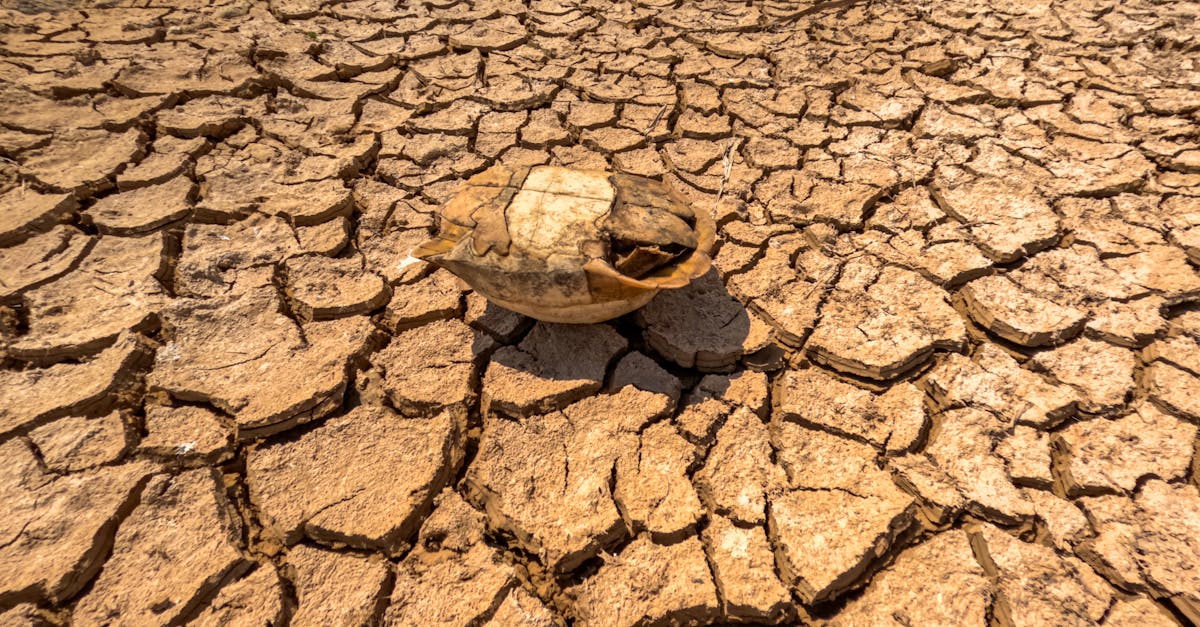
May 2026 heatwave: historic heatwave in France
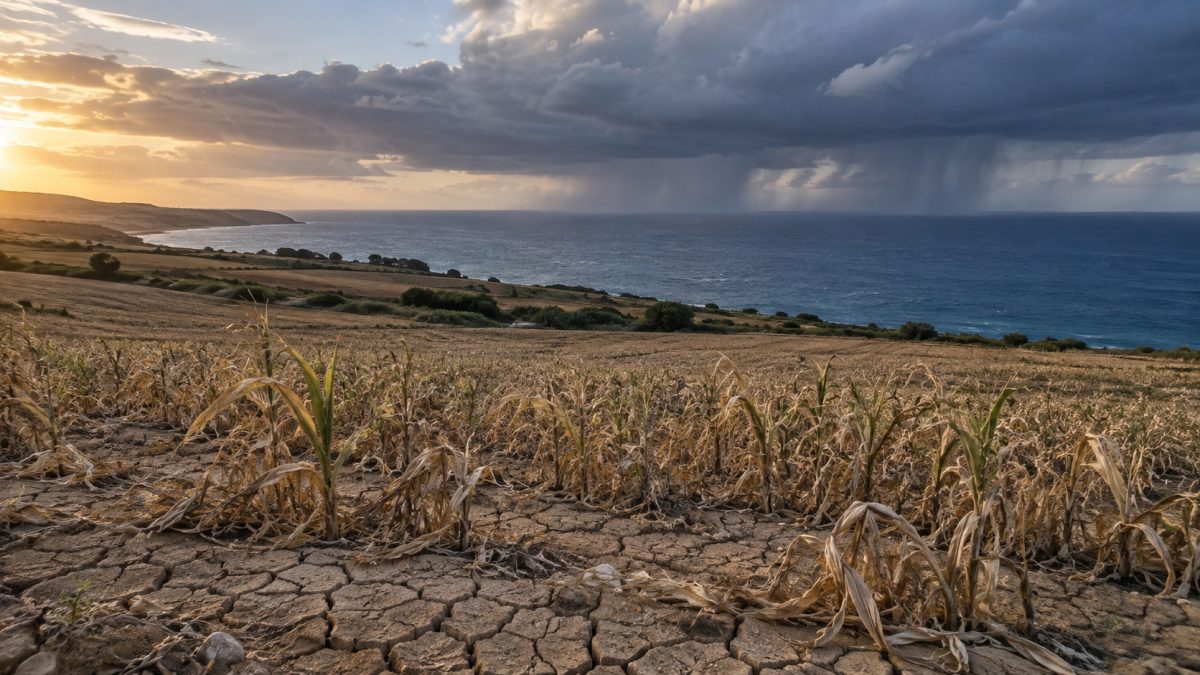
Since May 21, 2026, France has been experiencing a heatwave unprecedented for the season. Fueled by a powerful anticyclone keeping a flow of African air near the ground, this early heatwave has shattered hundreds of temperature records across the country. On Wednesday, May 27, 2026, Météo-France placed thirteen departments under orange heatwave alert — something never seen this early in the year since the vigilance system was created in 2004.
Historic heat for the month of May
Tuesday, May 26, 2026, will go down in French meteorological history. That day, the national thermal indicator reached 24.8 °C, making May 26 “the hottest day ever recorded for the month of May” since weather records began in France in the 19th century.
In total, more than 352 heat records for the month of May were broken or matched across the country. The Soorts-Hossegor weather station in the Landes recorded 37.1 °C, smashing the previous record of 36.5 °C set on May 30, 1996. In many cities, thermometers exceeded 35 °C as early as 1 p.m., with peaks expected between 36 and 38 °C in some areas.
Since May 21, a powerful anticyclone has kept temperatures 9 to 12 degrees above seasonal averages. This weather pattern, fed by a flow of air from North Africa, has created a genuine heat dome over the Iberian Peninsula and France. Forecast models indicate that this situation is expected to last until early June, suggesting 5 to 10 consecutive days with temperatures above 30 °C south of the Loire.
The departments under orange heatwave alert
Météo-France activated the orange heatwave alert as early as May 25 for eight departments in western France — a first so early in the year. The following day, the number of affected departments rose to thirteen, covering a wide part of western and southern France.
The most exposed areas include Finistère, Morbihan, Manche, Ille-et-Vilaine, Maine-et-Loire, Mayenne, Vendée, Loire-Atlantique, as well as several departments in the Grand-Ouest and the South-West. Residents of these areas are urged to be extra vigilant, especially older people, infants and individuals suffering from chronic illnesses.
We had never experienced such an early heatwave in May. Climate models expected this type of extreme event by 2030, but we have to acknowledge that it is already here in 2026.
— Météo-France, May 2026
Health risks of an early heatwave
A heatwave in May presents particular dangers: human bodies are not yet acclimatized to summer heat. Unlike a July or August heatwave, people have not had time to adapt gradually to high temperatures, which significantly increases the risk of heatstroke, dehydration and hyperthermia, including among people who would usually tolerate heat better.
The populations most vulnerable to this early heatwave are:
- People over the age of 65, whose thermoregulation mechanisms are less effective and whose sense of thirst is often dulled
- Infants and young children, who are highly sensitive to dehydration because of their small body volume
- People suffering from cardiovascular diseases, respiratory illnesses or kidney disease
- Isolated people living without air conditioning or relatives nearby to check on them
- Outdoor workers — construction, agriculture, public works — directly exposed to the sun for several hours
- People on medication, as some medicines can impair thermoregulation
Heat also encourages the growth of bacteria in water and food. It is important to strictly respect the cold chain, not leave food at room temperature for more than one hour and check that your refrigerator is properly set below 4 °C.
The right steps to protect yourself from heat
Faced with this exceptional heatwave, health authorities and Météo-France are reminding people of several simple but essential measures to get through this period safely.
Protect your home from the morning
Close shutters, blinds and curtains from the earliest hours of the day to prevent heat from building up indoors. If your home has exterior shutters, use them rather than interior curtains, as they are far more effective. Open windows only at night or early in the morning, when the outdoor temperature is lower than the indoor temperature.
Drink regularly without waiting to feel thirsty
Drink at least 1.5 to 2 liters of water per day, spreading intake throughout the day. Feeling thirsty is a late sign of dehydration: do not wait until you are thirsty to drink. Avoid alcoholic drinks and sugary sodas, which promote dehydration. Water-rich fruits and vegetables — cucumber, watermelon, melon, tomato — are excellent additional sources of hydration.
Avoid the hottest hours
Do not go outside between 12 p.m. and 5 p.m. unless absolutely necessary. If you must travel, wear light, loose-fitting, light-colored clothing, a wide-brimmed hat and high-factor sunscreen (SPF 50+). Absolutely avoid any intense outdoor physical activity during this time slot.
Look after those close to you
Visit or call older, isolated or vulnerable people around you regularly, at least twice a day during an orange alert. If you notice warning signs — mental confusion, very hot and dry skin, difficulty speaking, loss of consciousness — call 15 (SAMU) immediately. Municipalities keep registers of vulnerable people who may receive visits in the event of a heatwave alert.
Never leave anyone in a vehicle
This is a vital reminder: within minutes during a heatwave, the temperature inside a car parked in the sun can exceed 60 to 70 °C. Never leave a child, an older person, a person with reduced mobility or an animal in a vehicle, even for a very short time and even with the windows slightly open.
When will the heat ease?
According to the latest forecasts from Météo-France, this heatwave should gradually dissipate from the first week of June 2026. Thunderstorms are expected in some regions from the weekend of May 31, bringing temporary cooling, before heat likely returns early the following week.
In the long term, climatologists are clear: this type of early heatwave is directly linked to climate change. Projections from the IPCC and Météo-France indicate that in France, by 2050, heatwaves could be two to three times longer and more intense than today, with increasingly frequent spring heatwaves. The May 2026 heatwave is not a passing anomaly: it is a strong signal of ongoing climate disruption and an urgent reminder of the need to adapt our societies, buildings and ways of life to extreme temperatures that will gradually become the new normal.