

The Future of Transport: Technology Transforming Mobility
The transport sector is undergoing a major transformation thanks to technological advances that pave the way for an exciting future. From revolutionary autonomous vehicles to high-speed trains and delivery drones, these innovations are transforming not only the way we move, but also their impact on society and the environment. This article explores emerging trends and the implications of the future of transport.
Autonomous vehicles:
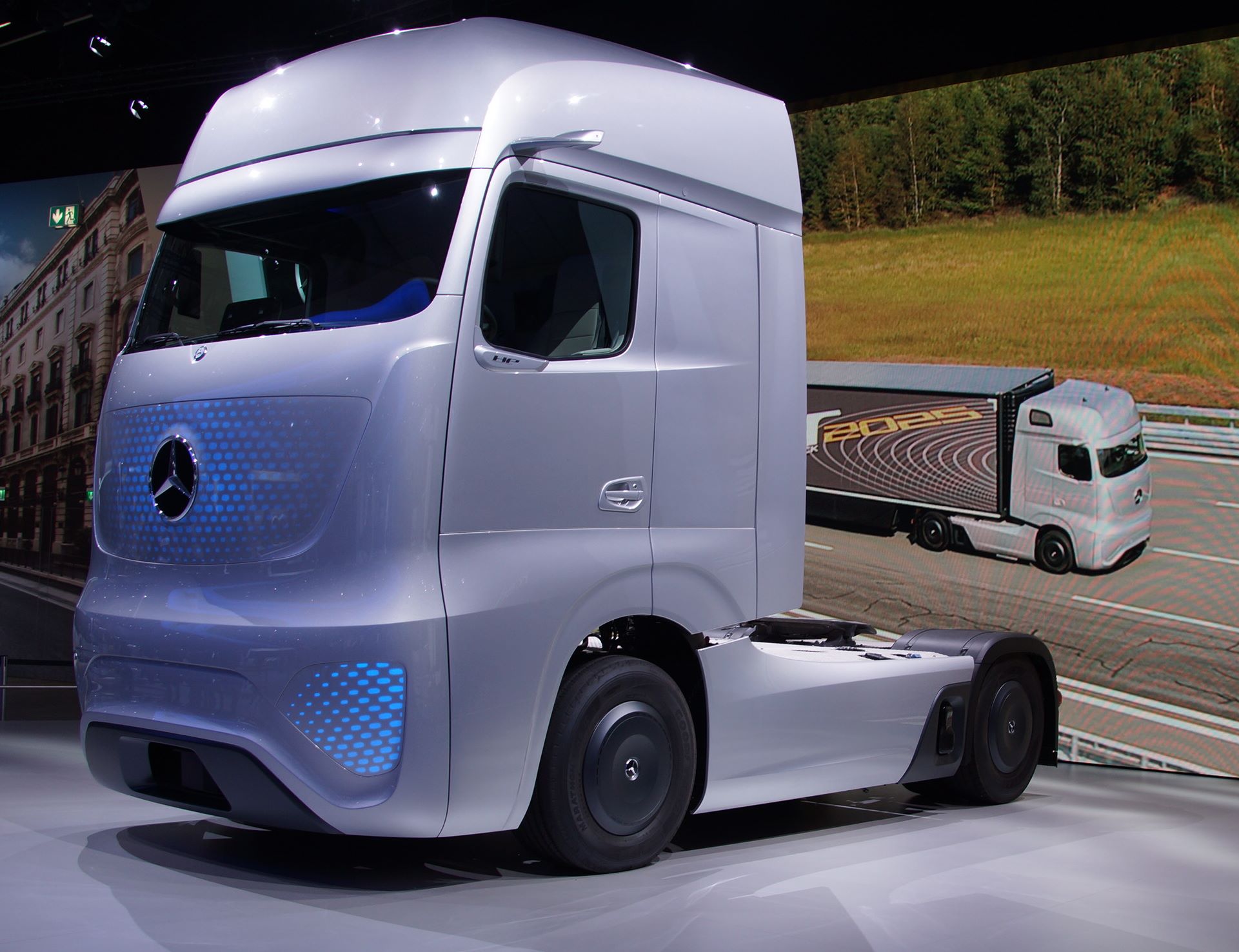
Autonomous vehicles are one of the pillars of the future of transport. By using sensors, cameras and sophisticated algorithms, these vehicles can move without a human driver, offering safer and more efficient mobility. The potential benefits include reducing road accidents, optimizing traffic flow and freeing up drivers' time for other activities.
High-speed trains:
High-speed trains are redefining the notion of rail travel. These ultra-fast trains offer impressive speeds, considerably reducing journey times and facilitating intercity travel. With a lower carbon footprint than aircraft, they also present potential for sustainable mobility on a large scale.
Delivery drones:
Delivery drones are opening up new possibilities in the field of logistics and goods delivery. These small autonomous aircraft can quickly and efficiently deliver packages to dense urban areas or hard-to-reach regions. They can contribute to faster delivery, reduce logistics costs and minimize the environmental impact of goods transport.
Social and environmental impacts:
The future of transport is not limited to technology alone. It also raises social and environmental questions. The potential benefits, such as reducing road congestion, improving accessibility and quality of life, must be balanced against considerations such as employment in the transport industry and the management of natural resources.
The future of transport is constantly evolving, driven by rapid technological advances. Autonomous vehicles, high-speed trains and delivery drones are examples of how mobility is being transformed. It is essential to take into account the social and environmental implications of these developments to shape a future of transport that is both innovative, sustainable and centered on the needs of society.
The Future of Transport: Technology Transforming Mobility
The transport sector is undergoing a major transformation thanks to technological advances that pave the way for an exciting future. From revolutionary autonomous vehicles to high-speed trains and delivery drones, these innovations are transforming not only the way we move, but also their impact on society and the environment. This article explores emerging trends and the implications of the future of transport.
Autonomous vehicles:
Autonomous vehicles are one of the pillars of the future of transport. By using sensors, cameras and sophisticated algorithms, these vehicles can move without a human driver, offering safer and more efficient mobility. The potential benefits include reducing road accidents, optimizing traffic flow and freeing up drivers' time for other activities.
High-speed trains:
High-speed trains are redefining the notion of rail travel. These ultra-fast trains offer impressive speeds, considerably reducing journey times and facilitating intercity travel. With a lower carbon footprint than aircraft, they also present potential for sustainable mobility on a large scale.
Delivery drones:
Delivery drones are opening up new possibilities in the field of logistics and goods delivery. These small autonomous aircraft can quickly and efficiently deliver packages to dense urban areas or hard-to-reach regions. They can contribute to faster delivery, reduce logistics costs and minimize the environmental impact of goods transport.
Social and environmental impacts:
The future of transport is not limited to technology alone. It also raises social and environmental questions. The potential benefits, such as reducing road congestion, improving accessibility and quality of life, must be balanced against considerations such as employment in the transport industry and the management of natural resources.
The future of transport is constantly evolving, driven by rapid technological advances. Autonomous vehicles, high-speed trains and delivery drones are examples of how mobility is being transformed. It is essential to take into account the social and environmental implications of these developments to shape a future of transport that is both innovative, sustainable and centered on the needs of society.
The Future of Transport: Technology Transforming Mobility
The transport sector is undergoing a major transformation thanks to technological advances that pave the way for an exciting future. From revolutionary autonomous vehicles to high-speed trains and delivery drones, these innovations are transforming not only the way we move, but also their impact on society and the environment. This article explores emerging trends and the implications of the future of transport.
Autonomous vehicles:
Autonomous vehicles are one of the pillars of the future of transport. By using sensors, cameras and sophisticated algorithms, these vehicles can move without a human driver, offering safer and more efficient mobility. The potential benefits include reducing road accidents, optimizing traffic flow and freeing up drivers' time for other activities.
High-speed trains:
High-speed trains are redefining the notion of rail travel. These ultra-fast trains offer impressive speeds, considerably reducing journey times and facilitating intercity travel. With a lower carbon footprint than aircraft, they also present potential for sustainable mobility on a large scale.
Delivery drones:
Delivery drones are opening up new possibilities in the field of logistics and goods delivery. These small autonomous aircraft can quickly and efficiently deliver packages to dense urban areas or hard-to-reach regions. They can contribute to faster delivery, reduce logistics costs and minimize the environmental impact of goods transport.
Social and environmental impacts:
The future of transport is not limited to technology alone. It also raises social and environmental questions. The potential benefits, such as reducing road congestion, improving accessibility and quality of life, must be balanced against considerations such as employment in the transport industry and the management of natural resources.
The future of transport is constantly evolving, driven by rapid technological advances. Autonomous vehicles, high-speed trains and delivery drones are examples of how mobility is being transformed. It is essential to take into account the social and environmental implications of these developments to shape a future of transport that is both innovative, sustainable and centered on the needs of society.
English
French
Spanish
Chinese
Japanese
Korean
Hindi
German
Norwegian