 Chinese
  French
  English
  Spanish
  Japanese
  Korean
  Hindi
Hindi  German
  Norwegian
Fuel Over €2 per Litre: How to Pay Less at the Pump in 2026
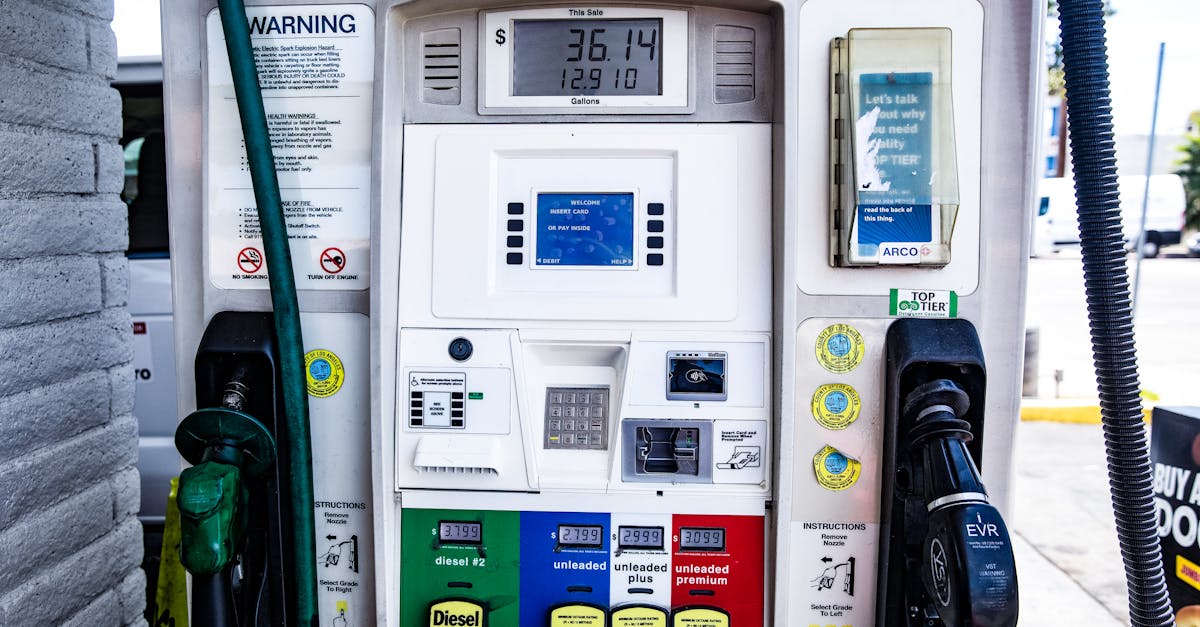
In spring 2026, French drivers dread every trip to the petrol station. Diesel has exceeded €2.20 per litre, SP95-E10 is flirting with €2, and SP98 has crossed the symbolic threshold of €2.07. These are records that recall — and sometimes surpass — the worst moments of 2022. How did we get here? And above all, how can we ease the bill?
Why are fuel prices soaring in 2026?
The current rise in fuel prices is directly linked to the geopolitical situation in the Middle East. Since late February 2026, a conflict involving Iran has led to the partial blockage of the Strait of Hormuz, a sea route through which approximately 20% of global oil production passes. The result was immediate on markets: the Brent barrel, which hovered around $71 at the end of February, has surged beyond $109 in early April 2026, an increase of more than 50% in just a few weeks.
But geopolitics is not the only culprit. Since 1 January 2026, a new energy savings certificate (CEE) scheme has added between 4 and 6 cents per litre to pump prices, a tax directly passed on to consumers. These two combined factors explain the record surge recorded since March 2026.
In concrete figures: diesel shows an average price of €2.19 per litre in early April 2026, a level unseen since 1985 according to official data. INSEE indicates that energy prices jumped 7.3% year-on-year in March, contributing to pushing overall inflation up to 1.7%.
Compare prices before filling up
During a price surge, the first reflex is to compare prices before heading to the station. Several free and reliable tools exist:
- prix-carburants.gouv.fr: the official government website lists real-time prices at all petrol stations in France. Comprehensive, updated several times a day.
- The carburant.app application: a mobile app to locate the cheapest stations nearby with geolocation, ideal when on the move.
- Waze and Google Maps: these navigation apps now integrate fuel price comparison tools directly in the route planning interface.
The price difference between a motorway service station and a supermarket can reach 15 to 20 cents per litre. On a 50-litre fill-up, that represents €7 to €10 in savings — not negligible when prices reach historic highs.
Favour supermarkets for filling up
It's a classic tip, but more relevant than ever: large supermarket chains such as E.Leclerc, Intermarché, Système U or Carrefour regularly offer the lowest fuel prices, sometimes at cost price during promotional campaigns. In April 2026, E.Leclerc notably launched "fuel at cost price" operations in several of its participating stores.
Conversely, motorway service stations are systematically the most expensive. Unless absolutely necessary, it's better to anticipate and fill up before entering the motorway, or to exit to do so.
Adopt eco-driving: 10 to 20% guaranteed savings
Slightly changing your driving style can significantly reduce fuel consumption. Specialists estimate that smooth, anticipatory driving can save between 10 and 20% compared to sporty or aggressive driving. On an annual fuel budget of €2,000, that represents up to €400 in savings.
Key eco-driving habits to adopt right now:
- Reduce motorway speed: dropping from 130 to 110 km/h reduces consumption by around 20%, because aerodynamic resistance increases with the square of speed.
- Anticipate braking: lifting your foot well in advance rather than braking sharply allows you to recover kinetic energy without needing to accelerate immediately after.
- Maintain a constant speed: repeated accelerations and decelerations consume far more than a steady pace. The cruise control is your ally.
- Turn off the engine during extended stops: an idling engine consumes between 0.5 and 1 litre per hour unnecessarily. Beyond one minute of stopping, switch off the ignition.
Maintain your vehicle to consume less
A poorly maintained vehicle systematically consumes more. A few simple checks you can do yourself can make a real difference to your fuel bill:
- Tyre pressure: under-inflated tyres increase rolling resistance. A tyre deflated by 0.5 bar causes 2 to 3% overconsumption. Check the cold pressure at least once a month.
- Air filter: a clogged filter deprives the engine of oxygen and can cause 10 to 15% overconsumption. It is generally replaced every 15,000 to 30,000 km and costs less than €20 for the part.
- Engine oil: using oil of the viscosity recommended by the manufacturer and changing it regularly reduces internal friction and therefore consumption.
- Aerodynamics: remove roof bars, roof boxes or bike racks when you are not using them. These accessories can increase consumption by 5 to 10% at motorway speeds.
Carpooling and alternatives to split the bill
Beyond pump-side tips, the most radical solution remains sharing journeys. Platforms such as BlaBlaCar Daily or Karos allow you to find colleagues making the same home-to-work journey. By sharing costs, each participant can divide their fuel bill by two or three in just a few clicks.
The electric-assist bicycle (e-bike) has also established itself as a credible alternative for daily journeys under 20 km, with a near-zero running cost compared to a petrol car. Many municipalities and employers offer purchase assistance or long-term rental schemes for e-bikes in 2026.
Government assistance to watch for
Faced with soaring prices, the French government is examining several support options. Precedents exist: in 2022, a pump discount was introduced, allowing savings of up to 18 cents per litre. In 2026, several options are being discussed:
- Targeted assistance for low-income households and workers forced to use their vehicle over long distances
- A possible extension of the energy voucher to partially cover fuel expenses
- Temporary tax measures on the TICPE excise duty component included in pump prices
Check regularly on service-public.fr and mes-allocs.fr to verify your eligibility for any new assistance depending on your situation.
When might prices fall?
Oil analysts remain cautious in their forecasts. Falling pump prices depends above all on a de-escalation of the Middle East conflict and a normal reopening of the Strait of Hormuz. In the optimistic scenario, a geopolitical thaw could bring the barrel back below $80-90 by summer 2026, which would translate into a drop of 15 to 25 cents at the pump. In the more pessimistic scenario, prices could remain at these high levels throughout the second half of the year.
While waiting for calm to return, combining price comparison tools, eco-driving and regular vehicle maintenance remains the most effective strategy to protect your budget and navigate this difficult period with controlled expenses.



Fuel Over €2 per Litre: How to Pay Less at the Pump in 2026
In spring 2026, French drivers dread every trip to the petrol station. Diesel has exceeded €2.20 per litre, SP95-E10 is flirting with €2, and SP98 has crossed the symbolic threshold of €2.07. These are records that recall — and sometimes surpass — the worst moments of 2022. How did we get here? And above all, how can we ease the bill?
Why are fuel prices soaring in 2026?
The current rise in fuel prices is directly linked to the geopolitical situation in the Middle East. Since late February 2026, a conflict involving Iran has led to the partial blockage of the Strait of Hormuz, a sea route through which approximately 20% of global oil production passes. The result was immediate on markets: the Brent barrel, which hovered around $71 at the end of February, has surged beyond $109 in early April 2026, an increase of more than 50% in just a few weeks.
But geopolitics is not the only culprit. Since 1 January 2026, a new energy savings certificate (CEE) scheme has added between 4 and 6 cents per litre to pump prices, a tax directly passed on to consumers. These two combined factors explain the record surge recorded since March 2026.
In concrete figures: diesel shows an average price of €2.19 per litre in early April 2026, a level unseen since 1985 according to official data. INSEE indicates that energy prices jumped 7.3% year-on-year in March, contributing to pushing overall inflation up to 1.7%.
Compare prices before filling up
During a price surge, the first reflex is to compare prices before heading to the station. Several free and reliable tools exist:
- prix-carburants.gouv.fr: the official government website lists real-time prices at all petrol stations in France. Comprehensive, updated several times a day.
- The carburant.app application: a mobile app to locate the cheapest stations nearby with geolocation, ideal when on the move.
- Waze and Google Maps: these navigation apps now integrate fuel price comparison tools directly in the route planning interface.
The price difference between a motorway service station and a supermarket can reach 15 to 20 cents per litre. On a 50-litre fill-up, that represents €7 to €10 in savings — not negligible when prices reach historic highs.
Favour supermarkets for filling up
It's a classic tip, but more relevant than ever: large supermarket chains such as E.Leclerc, Intermarché, Système U or Carrefour regularly offer the lowest fuel prices, sometimes at cost price during promotional campaigns. In April 2026, E.Leclerc notably launched "fuel at cost price" operations in several of its participating stores.
Conversely, motorway service stations are systematically the most expensive. Unless absolutely necessary, it's better to anticipate and fill up before entering the motorway, or to exit to do so.
Adopt eco-driving: 10 to 20% guaranteed savings
Slightly changing your driving style can significantly reduce fuel consumption. Specialists estimate that smooth, anticipatory driving can save between 10 and 20% compared to sporty or aggressive driving. On an annual fuel budget of €2,000, that represents up to €400 in savings.
Key eco-driving habits to adopt right now:
- Reduce motorway speed: dropping from 130 to 110 km/h reduces consumption by around 20%, because aerodynamic resistance increases with the square of speed.
- Anticipate braking: lifting your foot well in advance rather than braking sharply allows you to recover kinetic energy without needing to accelerate immediately after.
- Maintain a constant speed: repeated accelerations and decelerations consume far more than a steady pace. The cruise control is your ally.
- Turn off the engine during extended stops: an idling engine consumes between 0.5 and 1 litre per hour unnecessarily. Beyond one minute of stopping, switch off the ignition.
Maintain your vehicle to consume less
A poorly maintained vehicle systematically consumes more. A few simple checks you can do yourself can make a real difference to your fuel bill:
- Tyre pressure: under-inflated tyres increase rolling resistance. A tyre deflated by 0.5 bar causes 2 to 3% overconsumption. Check the cold pressure at least once a month.
- Air filter: a clogged filter deprives the engine of oxygen and can cause 10 to 15% overconsumption. It is generally replaced every 15,000 to 30,000 km and costs less than €20 for the part.
- Engine oil: using oil of the viscosity recommended by the manufacturer and changing it regularly reduces internal friction and therefore consumption.
- Aerodynamics: remove roof bars, roof boxes or bike racks when you are not using them. These accessories can increase consumption by 5 to 10% at motorway speeds.
Carpooling and alternatives to split the bill
Beyond pump-side tips, the most radical solution remains sharing journeys. Platforms such as BlaBlaCar Daily or Karos allow you to find colleagues making the same home-to-work journey. By sharing costs, each participant can divide their fuel bill by two or three in just a few clicks.
The electric-assist bicycle (e-bike) has also established itself as a credible alternative for daily journeys under 20 km, with a near-zero running cost compared to a petrol car. Many municipalities and employers offer purchase assistance or long-term rental schemes for e-bikes in 2026.
Government assistance to watch for
Faced with soaring prices, the French government is examining several support options. Precedents exist: in 2022, a pump discount was introduced, allowing savings of up to 18 cents per litre. In 2026, several options are being discussed:
- Targeted assistance for low-income households and workers forced to use their vehicle over long distances
- A possible extension of the energy voucher to partially cover fuel expenses
- Temporary tax measures on the TICPE excise duty component included in pump prices
Check regularly on service-public.fr and mes-allocs.fr to verify your eligibility for any new assistance depending on your situation.
When might prices fall?
Oil analysts remain cautious in their forecasts. Falling pump prices depends above all on a de-escalation of the Middle East conflict and a normal reopening of the Strait of Hormuz. In the optimistic scenario, a geopolitical thaw could bring the barrel back below $80-90 by summer 2026, which would translate into a drop of 15 to 25 cents at the pump. In the more pessimistic scenario, prices could remain at these high levels throughout the second half of the year.
While waiting for calm to return, combining price comparison tools, eco-driving and regular vehicle maintenance remains the most effective strategy to protect your budget and navigate this difficult period with controlled expenses.
Fuel Over €2 per Litre: How to Pay Less at the Pump in 2026
In spring 2026, French drivers dread every trip to the petrol station. Diesel has exceeded €2.20 per litre, SP95-E10 is flirting with €2, and SP98 has crossed the symbolic threshold of €2.07. These are records that recall — and sometimes surpass — the worst moments of 2022. How did we get here? And above all, how can we ease the bill?
Why are fuel prices soaring in 2026?
The current rise in fuel prices is directly linked to the geopolitical situation in the Middle East. Since late February 2026, a conflict involving Iran has led to the partial blockage of the Strait of Hormuz, a sea route through which approximately 20% of global oil production passes. The result was immediate on markets: the Brent barrel, which hovered around $71 at the end of February, has surged beyond $109 in early April 2026, an increase of more than 50% in just a few weeks.
But geopolitics is not the only culprit. Since 1 January 2026, a new energy savings certificate (CEE) scheme has added between 4 and 6 cents per litre to pump prices, a tax directly passed on to consumers. These two combined factors explain the record surge recorded since March 2026.
In concrete figures: diesel shows an average price of €2.19 per litre in early April 2026, a level unseen since 1985 according to official data. INSEE indicates that energy prices jumped 7.3% year-on-year in March, contributing to pushing overall inflation up to 1.7%.
Compare prices before filling up
During a price surge, the first reflex is to compare prices before heading to the station. Several free and reliable tools exist:
- prix-carburants.gouv.fr: the official government website lists real-time prices at all petrol stations in France. Comprehensive, updated several times a day.
- The carburant.app application: a mobile app to locate the cheapest stations nearby with geolocation, ideal when on the move.
- Waze and Google Maps: these navigation apps now integrate fuel price comparison tools directly in the route planning interface.
The price difference between a motorway service station and a supermarket can reach 15 to 20 cents per litre. On a 50-litre fill-up, that represents €7 to €10 in savings — not negligible when prices reach historic highs.
Favour supermarkets for filling up
It's a classic tip, but more relevant than ever: large supermarket chains such as E.Leclerc, Intermarché, Système U or Carrefour regularly offer the lowest fuel prices, sometimes at cost price during promotional campaigns. In April 2026, E.Leclerc notably launched "fuel at cost price" operations in several of its participating stores.
Conversely, motorway service stations are systematically the most expensive. Unless absolutely necessary, it's better to anticipate and fill up before entering the motorway, or to exit to do so.
Adopt eco-driving: 10 to 20% guaranteed savings
Slightly changing your driving style can significantly reduce fuel consumption. Specialists estimate that smooth, anticipatory driving can save between 10 and 20% compared to sporty or aggressive driving. On an annual fuel budget of €2,000, that represents up to €400 in savings.
Key eco-driving habits to adopt right now:
- Reduce motorway speed: dropping from 130 to 110 km/h reduces consumption by around 20%, because aerodynamic resistance increases with the square of speed.
- Anticipate braking: lifting your foot well in advance rather than braking sharply allows you to recover kinetic energy without needing to accelerate immediately after.
- Maintain a constant speed: repeated accelerations and decelerations consume far more than a steady pace. The cruise control is your ally.
- Turn off the engine during extended stops: an idling engine consumes between 0.5 and 1 litre per hour unnecessarily. Beyond one minute of stopping, switch off the ignition.
Maintain your vehicle to consume less
A poorly maintained vehicle systematically consumes more. A few simple checks you can do yourself can make a real difference to your fuel bill:
- Tyre pressure: under-inflated tyres increase rolling resistance. A tyre deflated by 0.5 bar causes 2 to 3% overconsumption. Check the cold pressure at least once a month.
- Air filter: a clogged filter deprives the engine of oxygen and can cause 10 to 15% overconsumption. It is generally replaced every 15,000 to 30,000 km and costs less than €20 for the part.
- Engine oil: using oil of the viscosity recommended by the manufacturer and changing it regularly reduces internal friction and therefore consumption.
- Aerodynamics: remove roof bars, roof boxes or bike racks when you are not using them. These accessories can increase consumption by 5 to 10% at motorway speeds.
Carpooling and alternatives to split the bill
Beyond pump-side tips, the most radical solution remains sharing journeys. Platforms such as BlaBlaCar Daily or Karos allow you to find colleagues making the same home-to-work journey. By sharing costs, each participant can divide their fuel bill by two or three in just a few clicks.
The electric-assist bicycle (e-bike) has also established itself as a credible alternative for daily journeys under 20 km, with a near-zero running cost compared to a petrol car. Many municipalities and employers offer purchase assistance or long-term rental schemes for e-bikes in 2026.
Government assistance to watch for
Faced with soaring prices, the French government is examining several support options. Precedents exist: in 2022, a pump discount was introduced, allowing savings of up to 18 cents per litre. In 2026, several options are being discussed:
- Targeted assistance for low-income households and workers forced to use their vehicle over long distances
- A possible extension of the energy voucher to partially cover fuel expenses
- Temporary tax measures on the TICPE excise duty component included in pump prices
Check regularly on service-public.fr and mes-allocs.fr to verify your eligibility for any new assistance depending on your situation.
When might prices fall?
Oil analysts remain cautious in their forecasts. Falling pump prices depends above all on a de-escalation of the Middle East conflict and a normal reopening of the Strait of Hormuz. In the optimistic scenario, a geopolitical thaw could bring the barrel back below $80-90 by summer 2026, which would translate into a drop of 15 to 25 cents at the pump. In the more pessimistic scenario, prices could remain at these high levels throughout the second half of the year.
While waiting for calm to return, combining price comparison tools, eco-driving and regular vehicle maintenance remains the most effective strategy to protect your budget and navigate this difficult period with controlled expenses.