

Chargement ...
🍪

En poursuivant votre navigation sur ce site, vous acceptez l'utilisation de Cookies qui garantissent son bon fonctionnement.

esSpanish
frFrench
enEnglish
zhChinese
jaJapanese
koKorean
hiHindi
deGerman
noNorwegian
Recherche article
Me connecter
Fleche top bulle Fleche top bulle
EN ES FR JA ZH
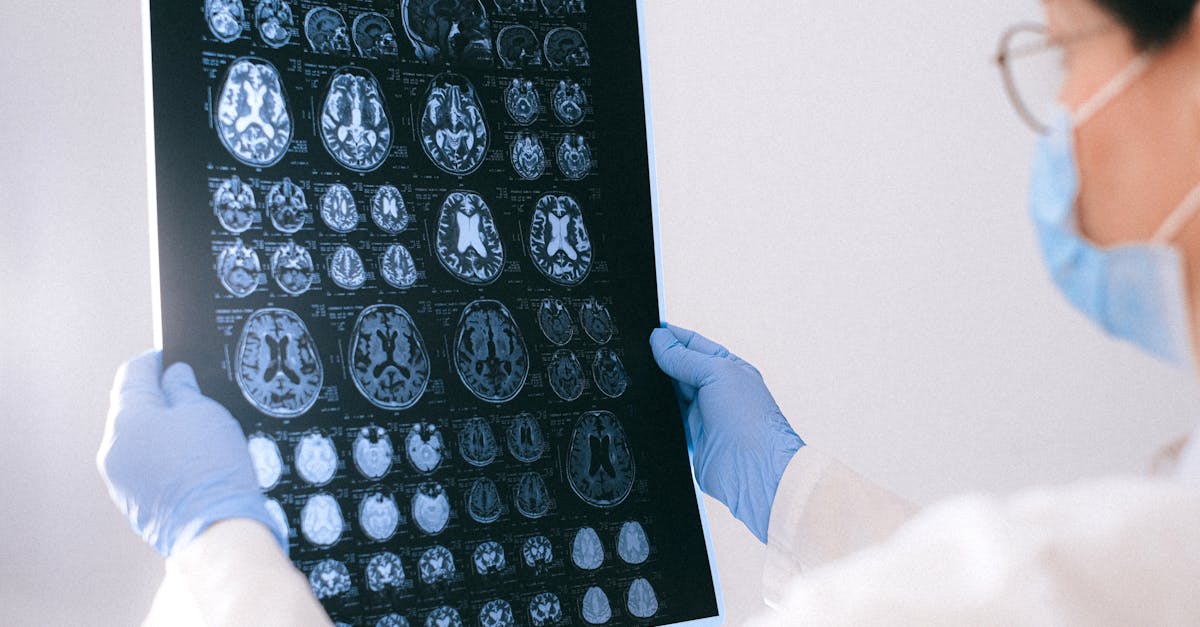
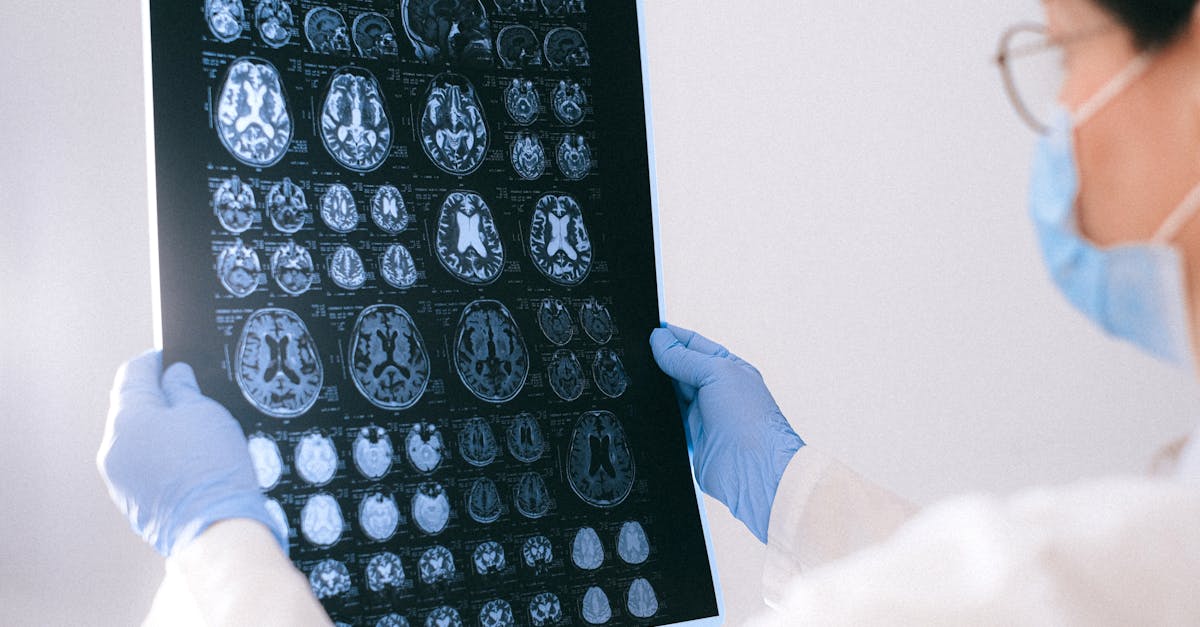
Researcher in white coat analyzing neurons and brain plaques under a microscope

Sox9: How a Protein Helps the Brain Fight Alzheimer's Disease

Publié le 03 Mai 2026

Alzheimer's disease currently affects more than 55 million people worldwide, and this figure could triple by 2050. Despite decades of research, available treatments only slow the progression of symptoms without addressing the root cause: the accumulation of amyloid plaques in the brain. A new study published in 2026 in the journal Nature Neuroscience could change everything by revealing the unexpected role of a protein called Sox9, capable of activating the brain's natural defenses against these toxic deposits.

What are amyloid plaques and why are they so dangerous?

In a healthy brain, amyloid proteins are produced naturally and then eliminated by the body. In Alzheimer's patients, this elimination process breaks down. The proteins accumulate and form dense aggregates — called amyloid plaques — that wedge between neurons and disrupt cell communication.

These plaques trigger a chronic inflammatory reaction that progressively damages nerve cells. The first clinical signs — memory loss, difficulty concentrating, disorientation — often do not appear until years after the accumulation begins, which considerably complicates early diagnosis and therapeutic intervention.

Astrocytes: the forgotten stars of the brain

The brain is not made up of neurons alone. It also houses support cells called glial cells, among which are astrocytes — star-shaped cells that play a fundamental role in maintaining the brain environment. They regulate neurotransmitter concentrations, support the blood-brain barrier, and participate in managing the brain's metabolic waste.

In Alzheimer's disease, astrocytes seem to lose part of their effectiveness. They become overwhelmed by the number of plaques to eliminate, and their phagocytic activity — that is, their ability to "swallow" and digest debris — diminishes with age and disease progression. This is precisely where Sox9 enters the picture.

Sox9: the key to awakening the brain's natural defenses

Researchers at Baylor College of Medicine in Texas demonstrated that increasing the expression of the Sox9 protein in astrocytes can restart their cleaning activity. In their experiments, conducted on mouse models that had already developed cognitive deficits and amyloid plaques, raising the level of Sox9 produced spectacular results.

  • Astrocytes became more active again and regained a more complex cellular structure.
  • Their ability to ingest and eliminate amyloid plaques was significantly increased, functioning like a biological vacuum cleaner.
  • The total plaque burden in the brains of treated mice decreased markedly.
  • The animals maintained better cognitive performance over time, particularly in spatial memory tests.

This last point is particularly important: preserving cognitive function despite the initial presence of the disease represents a central therapeutic goal that few approaches have managed to achieve so far.

A different approach from classical anti-amyloid drugs

Most therapies developed in recent years against Alzheimer's aim to prevent the formation of new plaques or dissolve them chemically using monoclonal antibodies such as lecanemab or donanemab. These approaches, while promising, carry risks of serious side effects, including cerebral micro-hemorrhages observed in some clinical trials.

The Sox9 approach is philosophically different: rather than introducing an external agent to attack the plaques, it amplifies a defense mechanism already present in the brain. The brain naturally has astrocytes capable of cleaning up these deposits — it is simply a matter of giving them the energy and tools to do so effectively.

"These results open the door to new therapies that aim to harness astrocytes as a natural defense against neurodegenerative diseases," the Baylor researchers stated.

Toward human treatments: much work still to be done

Researchers are cautious and emphasize that further research is needed before considering clinical application in humans. Several questions remain open:

  • Long-term safety: could prolonged activation of Sox9 in astrocytes cause adverse effects on other brain functions?
  • Translation to humans: will the mechanisms observed in mice faithfully reproduce in the human brain, which is far more complex?
  • Delivery method: how can Sox9 expression be effectively increased in human astrocytes? Viral vectors or targeted small molecules could be considered.

These questions do not undermine the importance of the discovery, but serve as a reminder of the path still to be traveled before a treatment becomes available in pharmacies. Additional preclinical trials on other animal models are the logical next step.

A beacon of hope in a rapidly evolving field

This study is part of a particularly active research momentum on Alzheimer's in 2026. In April, another team had announced restoring memory capabilities by blocking a different protein involved in neuronal degeneration. Approaches are multiplying, complementing each other, and converging toward a common goal: no longer just slowing the disease, but reversing some of its effects.

For the 6 million people living with Alzheimer's in the United States and their loved ones, every scientific advance represents concrete hope. The discovery of Sox9's role in astrocyte activation does not yet cure the disease — but it demonstrates that our brain possesses untapped resources, and that science is gradually learning how to mobilize them.

Tags
alzheimer
Sox9 protein
astrocytes
amyloid plaques
memory
neurodegeneration
Envoyer à un ami
Signaler cet article
A propos de l'auteur
Researcher in white coat analyzing neurons and brain plaques under a microscope

Sox9: How a Protein Helps the Brain Fight Alzheimer's Disease

Publié le 03 Mai 2026

Alzheimer's disease currently affects more than 55 million people worldwide, and this figure could triple by 2050. Despite decades of research, available treatments only slow the progression of symptoms without addressing the root cause: the accumulation of amyloid plaques in the brain. A new study published in 2026 in the journal Nature Neuroscience could change everything by revealing the unexpected role of a protein called Sox9, capable of activating the brain's natural defenses against these toxic deposits.

What are amyloid plaques and why are they so dangerous?

In a healthy brain, amyloid proteins are produced naturally and then eliminated by the body. In Alzheimer's patients, this elimination process breaks down. The proteins accumulate and form dense aggregates — called amyloid plaques — that wedge between neurons and disrupt cell communication.

These plaques trigger a chronic inflammatory reaction that progressively damages nerve cells. The first clinical signs — memory loss, difficulty concentrating, disorientation — often do not appear until years after the accumulation begins, which considerably complicates early diagnosis and therapeutic intervention.

Astrocytes: the forgotten stars of the brain

The brain is not made up of neurons alone. It also houses support cells called glial cells, among which are astrocytes — star-shaped cells that play a fundamental role in maintaining the brain environment. They regulate neurotransmitter concentrations, support the blood-brain barrier, and participate in managing the brain's metabolic waste.

In Alzheimer's disease, astrocytes seem to lose part of their effectiveness. They become overwhelmed by the number of plaques to eliminate, and their phagocytic activity — that is, their ability to "swallow" and digest debris — diminishes with age and disease progression. This is precisely where Sox9 enters the picture.

Sox9: the key to awakening the brain's natural defenses

Researchers at Baylor College of Medicine in Texas demonstrated that increasing the expression of the Sox9 protein in astrocytes can restart their cleaning activity. In their experiments, conducted on mouse models that had already developed cognitive deficits and amyloid plaques, raising the level of Sox9 produced spectacular results.

  • Astrocytes became more active again and regained a more complex cellular structure.
  • Their ability to ingest and eliminate amyloid plaques was significantly increased, functioning like a biological vacuum cleaner.
  • The total plaque burden in the brains of treated mice decreased markedly.
  • The animals maintained better cognitive performance over time, particularly in spatial memory tests.

This last point is particularly important: preserving cognitive function despite the initial presence of the disease represents a central therapeutic goal that few approaches have managed to achieve so far.

A different approach from classical anti-amyloid drugs

Most therapies developed in recent years against Alzheimer's aim to prevent the formation of new plaques or dissolve them chemically using monoclonal antibodies such as lecanemab or donanemab. These approaches, while promising, carry risks of serious side effects, including cerebral micro-hemorrhages observed in some clinical trials.

The Sox9 approach is philosophically different: rather than introducing an external agent to attack the plaques, it amplifies a defense mechanism already present in the brain. The brain naturally has astrocytes capable of cleaning up these deposits — it is simply a matter of giving them the energy and tools to do so effectively.

"These results open the door to new therapies that aim to harness astrocytes as a natural defense against neurodegenerative diseases," the Baylor researchers stated.

Toward human treatments: much work still to be done

Researchers are cautious and emphasize that further research is needed before considering clinical application in humans. Several questions remain open:

  • Long-term safety: could prolonged activation of Sox9 in astrocytes cause adverse effects on other brain functions?
  • Translation to humans: will the mechanisms observed in mice faithfully reproduce in the human brain, which is far more complex?
  • Delivery method: how can Sox9 expression be effectively increased in human astrocytes? Viral vectors or targeted small molecules could be considered.

These questions do not undermine the importance of the discovery, but serve as a reminder of the path still to be traveled before a treatment becomes available in pharmacies. Additional preclinical trials on other animal models are the logical next step.

A beacon of hope in a rapidly evolving field

This study is part of a particularly active research momentum on Alzheimer's in 2026. In April, another team had announced restoring memory capabilities by blocking a different protein involved in neuronal degeneration. Approaches are multiplying, complementing each other, and converging toward a common goal: no longer just slowing the disease, but reversing some of its effects.

For the 6 million people living with Alzheimer's in the United States and their loved ones, every scientific advance represents concrete hope. The discovery of Sox9's role in astrocyte activation does not yet cure the disease — but it demonstrates that our brain possesses untapped resources, and that science is gradually learning how to mobilize them.

Tags
alzheimer
Sox9 protein
astrocytes
amyloid plaques
memory
neurodegeneration
Envoyer à un ami
Signaler cet article
A propos de l'auteur
Researcher in white coat analyzing neurons and brain plaques under a microscope

Sox9: How a Protein Helps the Brain Fight Alzheimer's Disease

Publié le 03 Mai 2026

Alzheimer's disease currently affects more than 55 million people worldwide, and this figure could triple by 2050. Despite decades of research, available treatments only slow the progression of symptoms without addressing the root cause: the accumulation of amyloid plaques in the brain. A new study published in 2026 in the journal Nature Neuroscience could change everything by revealing the unexpected role of a protein called Sox9, capable of activating the brain's natural defenses against these toxic deposits.

What are amyloid plaques and why are they so dangerous?

In a healthy brain, amyloid proteins are produced naturally and then eliminated by the body. In Alzheimer's patients, this elimination process breaks down. The proteins accumulate and form dense aggregates — called amyloid plaques — that wedge between neurons and disrupt cell communication.

These plaques trigger a chronic inflammatory reaction that progressively damages nerve cells. The first clinical signs — memory loss, difficulty concentrating, disorientation — often do not appear until years after the accumulation begins, which considerably complicates early diagnosis and therapeutic intervention.

Astrocytes: the forgotten stars of the brain

The brain is not made up of neurons alone. It also houses support cells called glial cells, among which are astrocytes — star-shaped cells that play a fundamental role in maintaining the brain environment. They regulate neurotransmitter concentrations, support the blood-brain barrier, and participate in managing the brain's metabolic waste.

In Alzheimer's disease, astrocytes seem to lose part of their effectiveness. They become overwhelmed by the number of plaques to eliminate, and their phagocytic activity — that is, their ability to "swallow" and digest debris — diminishes with age and disease progression. This is precisely where Sox9 enters the picture.

Sox9: the key to awakening the brain's natural defenses

Researchers at Baylor College of Medicine in Texas demonstrated that increasing the expression of the Sox9 protein in astrocytes can restart their cleaning activity. In their experiments, conducted on mouse models that had already developed cognitive deficits and amyloid plaques, raising the level of Sox9 produced spectacular results.

  • Astrocytes became more active again and regained a more complex cellular structure.
  • Their ability to ingest and eliminate amyloid plaques was significantly increased, functioning like a biological vacuum cleaner.
  • The total plaque burden in the brains of treated mice decreased markedly.
  • The animals maintained better cognitive performance over time, particularly in spatial memory tests.

This last point is particularly important: preserving cognitive function despite the initial presence of the disease represents a central therapeutic goal that few approaches have managed to achieve so far.

A different approach from classical anti-amyloid drugs

Most therapies developed in recent years against Alzheimer's aim to prevent the formation of new plaques or dissolve them chemically using monoclonal antibodies such as lecanemab or donanemab. These approaches, while promising, carry risks of serious side effects, including cerebral micro-hemorrhages observed in some clinical trials.

The Sox9 approach is philosophically different: rather than introducing an external agent to attack the plaques, it amplifies a defense mechanism already present in the brain. The brain naturally has astrocytes capable of cleaning up these deposits — it is simply a matter of giving them the energy and tools to do so effectively.

"These results open the door to new therapies that aim to harness astrocytes as a natural defense against neurodegenerative diseases," the Baylor researchers stated.

Toward human treatments: much work still to be done

Researchers are cautious and emphasize that further research is needed before considering clinical application in humans. Several questions remain open:

  • Long-term safety: could prolonged activation of Sox9 in astrocytes cause adverse effects on other brain functions?
  • Translation to humans: will the mechanisms observed in mice faithfully reproduce in the human brain, which is far more complex?
  • Delivery method: how can Sox9 expression be effectively increased in human astrocytes? Viral vectors or targeted small molecules could be considered.

These questions do not undermine the importance of the discovery, but serve as a reminder of the path still to be traveled before a treatment becomes available in pharmacies. Additional preclinical trials on other animal models are the logical next step.

A beacon of hope in a rapidly evolving field

This study is part of a particularly active research momentum on Alzheimer's in 2026. In April, another team had announced restoring memory capabilities by blocking a different protein involved in neuronal degeneration. Approaches are multiplying, complementing each other, and converging toward a common goal: no longer just slowing the disease, but reversing some of its effects.

For the 6 million people living with Alzheimer's in the United States and their loved ones, every scientific advance represents concrete hope. The discovery of Sox9's role in astrocyte activation does not yet cure the disease — but it demonstrates that our brain possesses untapped resources, and that science is gradually learning how to mobilize them.

Tags
alzheimer
Sox9 protein
astrocytes
amyloid plaques
memory
neurodegeneration
Envoyer à un ami
Signaler cet article
A propos de l'auteur
09 Avril 2026 21:19:15

Vitamina D y Alzheimer: un estudio de 16 años cambia la prevencion

Imagine que la clave para proteger su cerebro dentro de décadas reside en su nivel de vitamina D hoy. Esto es lo que sugiere un importante estudio publicado a principios de abril de 2026 en la revista Neurology, realizado por investigadores de la Universidad de Galway en Irlanda. Sus...
Leer mas
03 Mai 2026 22:42:12

Sox9: cómo una proteína ayuda al cerebro a combatir el Alzheimer

La enfermedad de Alzheimer afecta actualmente a más de 55 millones de personas en todo el mundo, y esta cifra podría triplicarse para 2050. A pesar de décadas de investigación, los tratamientos disponibles solo ralentizan la progresión de los síntomas sin abordar la causa profunda: la...
Leer mas