 English
  French
  German
  Spanish
  Hindi
Hindi  Italian
  Japanese
  Korean
  Norwegian
  Chinese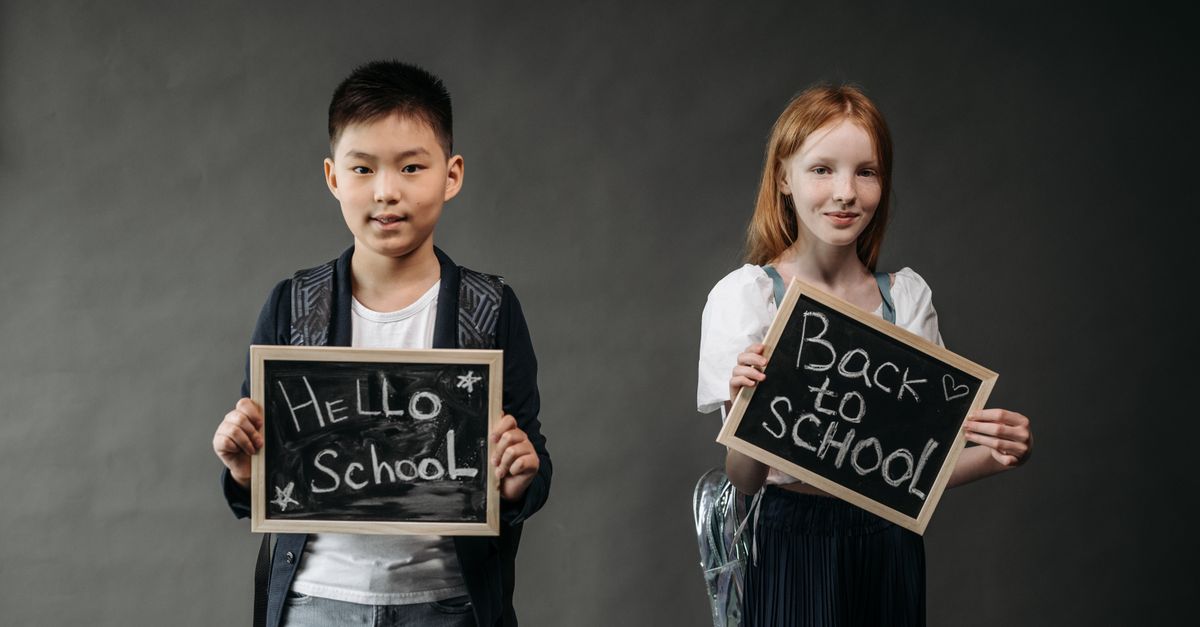
Back to school 2026: Budget by education level and money-saving tips
The 2026 back-to-school season is fast approaching: classes resume on Tuesday, September 1, 2026. And with it comes the traditional budget question. From school supplies and backpacks to clothing and allowances, here is a complete overview to help you approach the new school year with confidence.
How much does back-to-school 2026 cost by education level?
In France, the main reference is the annual survey by Familles de France, which has measured the cost of a basket of school supplies for a student entering 6e for more than 40 years. In 2025, this basket cost €211, down 5.5% from 2024. For 2026, with inflation stabilized at around 1%, estimates remain close to that level.
But this figure covers only basic school supplies : pens, notebooks, binders, a planner and geometry equipment. Add a schoolbag, clothes and shoes, and the bill rises significantly — often to between €250 and €400 depending on the school level and the retailers chosen.
Preschool: the lightest level for the family budget
Preschools generally provide shared supplies such as felt-tip pens, paint and modeling clay. Families usually only need an appropriate bag, a water bottle, spare clothes labeled with the child's name and sometimes sportswear. Estimated total budget: €50 to €100.
Primary school (CP to CM2): the first substantial purchases
From CP onward, the supply list grows: a proper first schoolbag, a complete pencil case, ruler, compass and a simple calculator in CE2-CM2. The budget is around €100 to €150 for supplies, plus the schoolbag if it needs replacing (€40 to €70).
Middle school: the budget jump
Starting 6e marks the real change. The list gets much longer: binders for each subject, dividers, a planner, a full PE kit and sometimes a dictionary. This is the level for which Familles de France sets its reference basket at €211 in supplies. Add a schoolbag and sportswear, and the total easily exceeds €270 to €300.
High school: calculators and digital equipment push up the bill
High school brings the highest costs, especially in the first year. A graphing calculator, compulsory in general or technological tracks, costs between €70 and €90 — an investment that can last several years if looked after properly. Some schools also recommend a tablet or computer. The first back-to-school season in high school can therefore reach €250 to €350, or even more depending on the course of study.
The 2026 ARS: decisive support for many families
Theback-to-school allowance (ARS), paid by CAF subject to income conditions, remains the main form of aid for school-start costs. For 2026, the amounts are:
- Ages 6 to 10: €426.87
- Ages 11 to 14: €450.41
- Ages 15 to 18: €466.02
This aid will be paid automatically on August 18, 2026 to families already known to CAF. For children aged 16 to 18, a school-enrollment declaration is required to release the payment: check your CAF account now so you do not miss out.
A family with two children aged 8 and 13 can therefore receive up to €877 in total — enough to comfortably cover supplies for both. Another piece of good news: the ARS can be combined with middle-school and high-school grants awarded by schools after application, depending on household income.
Good to know: the vast majority of textbooks are loaned free of charge by public middle and high schools. Only certain single-use workbooks or supplementary books remain the family's responsibility.
The major change for the 2026 school year: phones banned in high school
Starting this school year, the mobile-phone ban is extended to high schools. Already in place in primary and middle schools since 2025, the measure now also applies to high-school students, who must keep their devices switched off or stored away throughout school hours. It has no direct effect on the supplies budget, but it may ease some of the social pressure surrounding the latest fashionable phone — a factor that can matter in back-to-school purchasing decisions.
5 practical tips to cut the bill
A few simple habits can often save 20% to 30% of the total budget without sacrificing quality:
- Wait for the school's official list before buying anything. It is generally published in June and helps avoid duplicates or purchases that do not meet teachers' requirements. Buying before the list means risking having to buy again.
- Take inventory of what can be reused. A binder in good condition, a usable pencil case or a working calculator does not need to be replaced. Resist the urge to buy everything again "because it is back-to-school time."
- Choose second-hand for calculators, schoolbags and sportswear. Parent groups and peer-to-peer platforms are full of nearly new equipment at reduced prices.
- Spread purchases over time across July, August and September. Winter clothes, a second pair of shoes or non-urgent equipment can wait until the first weeks of school and the first back-to-school promotions.
- Compare prices between hypermarkets, specialist retailers and online stores. The price difference for the same notebook or pencil case can exceed 30%.
Large families: pool resources to soften the impact
For households with several children, back-to-school spending can add up to a substantial total even though the ARS is paid for each child. Several strategies can smooth the cost: share reusable equipment between siblings, such as compasses, set squares and basic calculators; ask whether textbooks can be passed from one child to another within the school; and above all, spread purchases over time. It is often the cash-flow peak at the end of August, rather than the total amount itself, that weighs most heavily on the family budget.
Key takeaways
The 2026 back-to-school budget ranges from €50 to €100 in preschool to €250-€350 in high school before financial aid. The back-to-school allowance, paid by CAF on August 18, covers most essential supplies for many eligible families and can be combined with school grants. With a little organization — taking inventory, following the official list, buying second-hand and spreading purchases — it is entirely possible to start the school year without blowing the budget.