 English
  French
  German
  Spanish
  Hindi
Hindi  Italian
  Japanese
  Korean
  Norwegian
  Chinese
France Heatwave 2026: Understanding the Risks and Staying Safe This Summer
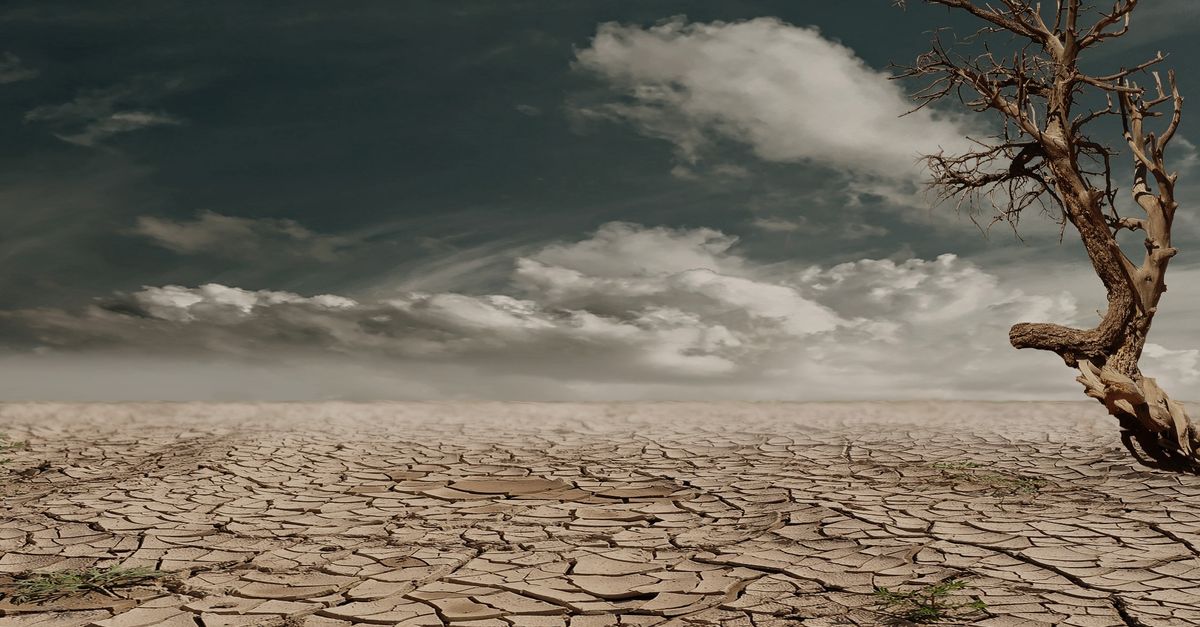
The summer of 2026 will be remembered. Since May, France has experienced successive heatwaves of unprecedented intensity, exceeding the terrible August 2003 heatwave by some indicators. With temperatures rising above 43 °C in Hérault on July 8, it is essential to understand the real risks and adopt the right precautions.
A historic heatwave: the chilling figures
June 2026 was officially the hottest June ever recorded in France, with a national average temperature indicator of 22.7 °C, exceeding the previous record of 22.5 °C set in June 2003. But it is the succession of episodes that is alarming climatologists.
The weekend of July 12–13, 2026 made a lasting impression: more than 80 weather stations exceeded 40 °C, and seven all-time departmental records were broken in a single day. In Île-de-France, the orange heatwave alert covered all eight departments in the region, with highs ranging from 31 to 35 °C in the following days.
This is not an isolated anomaly: France has experienced three severe heatwave episodes since May 2026, creating unprecedented cumulative strain on vulnerable populations and healthcare infrastructure.
Unprecedented health impacts
Figures from Santé publique France paint a worrying picture. Between June 18 and 29, 2026, there were 6,351 hospital admissions directly related to the heat, two-thirds of them involving people aged 75 and over.
Emergency services recorded historic levels:
- 698 SOS Médecins consultations on June 25, a record since syndromic surveillance began in 2004
- 2,089 emergency department visits on June 26, an unprecedented level
- Approximately 2,025 excess deaths during the week of June 22 to 28 alone
- An increase in excess deaths at home of 91% among people aged 45 and over
These statistics are a reminder that a heatwave is a silent disaster. Unlike a storm or flood, it makes no noise. That is precisely what makes it so dangerous.
Who is most vulnerable?
People are not equally equipped to cope with heat. Certain groups are particularly exposed:
- Older people, whose ability to regulate body temperature decreases with age
- Babies and young children, whose thermoregulatory system is still immature
- Pregnant women, who are more prone to dehydration and complications
- People with chronic illnesses: heart failure, diabetes, kidney failure and respiratory disorders
- People taking certain medications (diuretics, antihypertensives and psychotropic drugs) that disrupt thermoregulation
- Outdoor workers and athletes exposed to intense exertion in the heat
If people in your circle belong to these groups, it is crucial to stay in regular contact with them during periods of extreme heat.
Essential steps to protect yourself from the heat
The good news is that the vast majority of heatstroke cases can be prevented with simple measures applied consistently.
Stay hydrated at all times
Drink water regularly without waiting until you feel thirsty. Thirst is a late sign of dehydration. Aim for at least 1.5 to 2 litres of water a day, and more if you are active. Avoid alcohol, sugary drinks and caffeine, which promote dehydration. Water-rich soups, fruit and vegetables such as cucumber, watermelon and tomatoes also help with hydration.
Manage your home like a natural air conditioner
The keep the house closed during the day technique is fundamental but too often overlooked. Close shutters, blinds and windows in the morning to trap the cool night air. Open them in the evening, at night and early in the morning to create cross-ventilation. This habit alone can keep the indoor temperature 5 to 10 °C cooler than outdoors during the hottest part of the day.
Cool down regularly
- Take lukewarm showers or baths several times a day, not cold ones, which can cause thermal shock
- Use misting sprays or damp cloths on your face and wrists
- Go to air-conditioned places such as shopping centres, libraries, cinemas or cooling centres opened by some local authorities
Adjust your diet and activities
Choose light meals served cold or lukewarm. Avoid intense physical activity between 11 a.m. and 9 p.m. When you have to go out, choose the coolest hours of the day, wear a hat and light-coloured, lightweight clothing, and protect yourself from the sun.
Recognising and responding to heatstroke
Heatstroke (hyperthermia) is a medical emergency that can develop rapidly. Warning signs include:
- Body temperature above 40 °C
- Red, hot and dry skin, with no sweating
- Severe headache, dizziness, confusion and speech problems
- Nausea, vomiting and loss of consciousness
If heatstroke is suspected: immediately call 15 (SAMU), 18 (fire brigade) or 112. While waiting for help, move the person into the shade in a cool place, lay them down, cool their skin with cold water and fan them with any suitable object.
A free advice helpline is also available: 0 800 06 66 66, every day from 9 a.m. to 7 p.m.
A lasting climate reality
Experts agree that the 2026 heatwaves are not an accident. They are part of a long-term trend: climate change is increasing the frequency, intensity and duration of extreme heat episodes in Europe and France. What was an exceptional event occurring once every 50 years in the 20th century could become commonplace by 2050.
Preparing to live with heat is no longer optional but necessary. This means adapting our homes and lifestyles, as well as showing greater solidarity with the most vulnerable. Calling an isolated older neighbour and making sure people living alone in your circle have water and remain cool are simple actions that save lives.
Stay alert and take care of yourself and those around you.



France Heatwave 2026: Understanding the Risks and Staying Safe This Summer
The summer of 2026 will be remembered. Since May, France has experienced successive heatwaves of unprecedented intensity, exceeding the terrible August 2003 heatwave by some indicators. With temperatures rising above 43 °C in Hérault on July 8, it is essential to understand the real risks and adopt the right precautions.
A historic heatwave: the chilling figures
June 2026 was officially the hottest June ever recorded in France, with a national average temperature indicator of 22.7 °C, exceeding the previous record of 22.5 °C set in June 2003. But it is the succession of episodes that is alarming climatologists.
The weekend of July 12–13, 2026 made a lasting impression: more than 80 weather stations exceeded 40 °C, and seven all-time departmental records were broken in a single day. In Île-de-France, the orange heatwave alert covered all eight departments in the region, with highs ranging from 31 to 35 °C in the following days.
This is not an isolated anomaly: France has experienced three severe heatwave episodes since May 2026, creating unprecedented cumulative strain on vulnerable populations and healthcare infrastructure.
Unprecedented health impacts
Figures from Santé publique France paint a worrying picture. Between June 18 and 29, 2026, there were 6,351 hospital admissions directly related to the heat, two-thirds of them involving people aged 75 and over.
Emergency services recorded historic levels:
- 698 SOS Médecins consultations on June 25, a record since syndromic surveillance began in 2004
- 2,089 emergency department visits on June 26, an unprecedented level
- Approximately 2,025 excess deaths during the week of June 22 to 28 alone
- An increase in excess deaths at home of 91% among people aged 45 and over
These statistics are a reminder that a heatwave is a silent disaster. Unlike a storm or flood, it makes no noise. That is precisely what makes it so dangerous.
Who is most vulnerable?
People are not equally equipped to cope with heat. Certain groups are particularly exposed:
- Older people, whose ability to regulate body temperature decreases with age
- Babies and young children, whose thermoregulatory system is still immature
- Pregnant women, who are more prone to dehydration and complications
- People with chronic illnesses: heart failure, diabetes, kidney failure and respiratory disorders
- People taking certain medications (diuretics, antihypertensives and psychotropic drugs) that disrupt thermoregulation
- Outdoor workers and athletes exposed to intense exertion in the heat
If people in your circle belong to these groups, it is crucial to stay in regular contact with them during periods of extreme heat.
Essential steps to protect yourself from the heat
The good news is that the vast majority of heatstroke cases can be prevented with simple measures applied consistently.
Stay hydrated at all times
Drink water regularly without waiting until you feel thirsty. Thirst is a late sign of dehydration. Aim for at least 1.5 to 2 litres of water a day, and more if you are active. Avoid alcohol, sugary drinks and caffeine, which promote dehydration. Water-rich soups, fruit and vegetables such as cucumber, watermelon and tomatoes also help with hydration.
Manage your home like a natural air conditioner
The keep the house closed during the day technique is fundamental but too often overlooked. Close shutters, blinds and windows in the morning to trap the cool night air. Open them in the evening, at night and early in the morning to create cross-ventilation. This habit alone can keep the indoor temperature 5 to 10 °C cooler than outdoors during the hottest part of the day.
Cool down regularly
- Take lukewarm showers or baths several times a day, not cold ones, which can cause thermal shock
- Use misting sprays or damp cloths on your face and wrists
- Go to air-conditioned places such as shopping centres, libraries, cinemas or cooling centres opened by some local authorities
Adjust your diet and activities
Choose light meals served cold or lukewarm. Avoid intense physical activity between 11 a.m. and 9 p.m. When you have to go out, choose the coolest hours of the day, wear a hat and light-coloured, lightweight clothing, and protect yourself from the sun.
Recognising and responding to heatstroke
Heatstroke (hyperthermia) is a medical emergency that can develop rapidly. Warning signs include:
- Body temperature above 40 °C
- Red, hot and dry skin, with no sweating
- Severe headache, dizziness, confusion and speech problems
- Nausea, vomiting and loss of consciousness
If heatstroke is suspected: immediately call 15 (SAMU), 18 (fire brigade) or 112. While waiting for help, move the person into the shade in a cool place, lay them down, cool their skin with cold water and fan them with any suitable object.
A free advice helpline is also available: 0 800 06 66 66, every day from 9 a.m. to 7 p.m.
A lasting climate reality
Experts agree that the 2026 heatwaves are not an accident. They are part of a long-term trend: climate change is increasing the frequency, intensity and duration of extreme heat episodes in Europe and France. What was an exceptional event occurring once every 50 years in the 20th century could become commonplace by 2050.
Preparing to live with heat is no longer optional but necessary. This means adapting our homes and lifestyles, as well as showing greater solidarity with the most vulnerable. Calling an isolated older neighbour and making sure people living alone in your circle have water and remain cool are simple actions that save lives.
Stay alert and take care of yourself and those around you.
France Heatwave 2026: Understanding the Risks and Staying Safe This Summer
The summer of 2026 will be remembered. Since May, France has experienced successive heatwaves of unprecedented intensity, exceeding the terrible August 2003 heatwave by some indicators. With temperatures rising above 43 °C in Hérault on July 8, it is essential to understand the real risks and adopt the right precautions.
A historic heatwave: the chilling figures
June 2026 was officially the hottest June ever recorded in France, with a national average temperature indicator of 22.7 °C, exceeding the previous record of 22.5 °C set in June 2003. But it is the succession of episodes that is alarming climatologists.
The weekend of July 12–13, 2026 made a lasting impression: more than 80 weather stations exceeded 40 °C, and seven all-time departmental records were broken in a single day. In Île-de-France, the orange heatwave alert covered all eight departments in the region, with highs ranging from 31 to 35 °C in the following days.
This is not an isolated anomaly: France has experienced three severe heatwave episodes since May 2026, creating unprecedented cumulative strain on vulnerable populations and healthcare infrastructure.
Unprecedented health impacts
Figures from Santé publique France paint a worrying picture. Between June 18 and 29, 2026, there were 6,351 hospital admissions directly related to the heat, two-thirds of them involving people aged 75 and over.
Emergency services recorded historic levels:
- 698 SOS Médecins consultations on June 25, a record since syndromic surveillance began in 2004
- 2,089 emergency department visits on June 26, an unprecedented level
- Approximately 2,025 excess deaths during the week of June 22 to 28 alone
- An increase in excess deaths at home of 91% among people aged 45 and over
These statistics are a reminder that a heatwave is a silent disaster. Unlike a storm or flood, it makes no noise. That is precisely what makes it so dangerous.
Who is most vulnerable?
People are not equally equipped to cope with heat. Certain groups are particularly exposed:
- Older people, whose ability to regulate body temperature decreases with age
- Babies and young children, whose thermoregulatory system is still immature
- Pregnant women, who are more prone to dehydration and complications
- People with chronic illnesses: heart failure, diabetes, kidney failure and respiratory disorders
- People taking certain medications (diuretics, antihypertensives and psychotropic drugs) that disrupt thermoregulation
- Outdoor workers and athletes exposed to intense exertion in the heat
If people in your circle belong to these groups, it is crucial to stay in regular contact with them during periods of extreme heat.
Essential steps to protect yourself from the heat
The good news is that the vast majority of heatstroke cases can be prevented with simple measures applied consistently.
Stay hydrated at all times
Drink water regularly without waiting until you feel thirsty. Thirst is a late sign of dehydration. Aim for at least 1.5 to 2 litres of water a day, and more if you are active. Avoid alcohol, sugary drinks and caffeine, which promote dehydration. Water-rich soups, fruit and vegetables such as cucumber, watermelon and tomatoes also help with hydration.
Manage your home like a natural air conditioner
The keep the house closed during the day technique is fundamental but too often overlooked. Close shutters, blinds and windows in the morning to trap the cool night air. Open them in the evening, at night and early in the morning to create cross-ventilation. This habit alone can keep the indoor temperature 5 to 10 °C cooler than outdoors during the hottest part of the day.
Cool down regularly
- Take lukewarm showers or baths several times a day, not cold ones, which can cause thermal shock
- Use misting sprays or damp cloths on your face and wrists
- Go to air-conditioned places such as shopping centres, libraries, cinemas or cooling centres opened by some local authorities
Adjust your diet and activities
Choose light meals served cold or lukewarm. Avoid intense physical activity between 11 a.m. and 9 p.m. When you have to go out, choose the coolest hours of the day, wear a hat and light-coloured, lightweight clothing, and protect yourself from the sun.
Recognising and responding to heatstroke
Heatstroke (hyperthermia) is a medical emergency that can develop rapidly. Warning signs include:
- Body temperature above 40 °C
- Red, hot and dry skin, with no sweating
- Severe headache, dizziness, confusion and speech problems
- Nausea, vomiting and loss of consciousness
If heatstroke is suspected: immediately call 15 (SAMU), 18 (fire brigade) or 112. While waiting for help, move the person into the shade in a cool place, lay them down, cool their skin with cold water and fan them with any suitable object.
A free advice helpline is also available: 0 800 06 66 66, every day from 9 a.m. to 7 p.m.
A lasting climate reality
Experts agree that the 2026 heatwaves are not an accident. They are part of a long-term trend: climate change is increasing the frequency, intensity and duration of extreme heat episodes in Europe and France. What was an exceptional event occurring once every 50 years in the 20th century could become commonplace by 2050.
Preparing to live with heat is no longer optional but necessary. This means adapting our homes and lifestyles, as well as showing greater solidarity with the most vulnerable. Calling an isolated older neighbour and making sure people living alone in your circle have water and remain cool are simple actions that save lives.
Stay alert and take care of yourself and those around you.