
 English
  French
  German
  Spanish
  Hindi
Hindi  Italian
  Japanese
  Korean
  Norwegian
  Chinese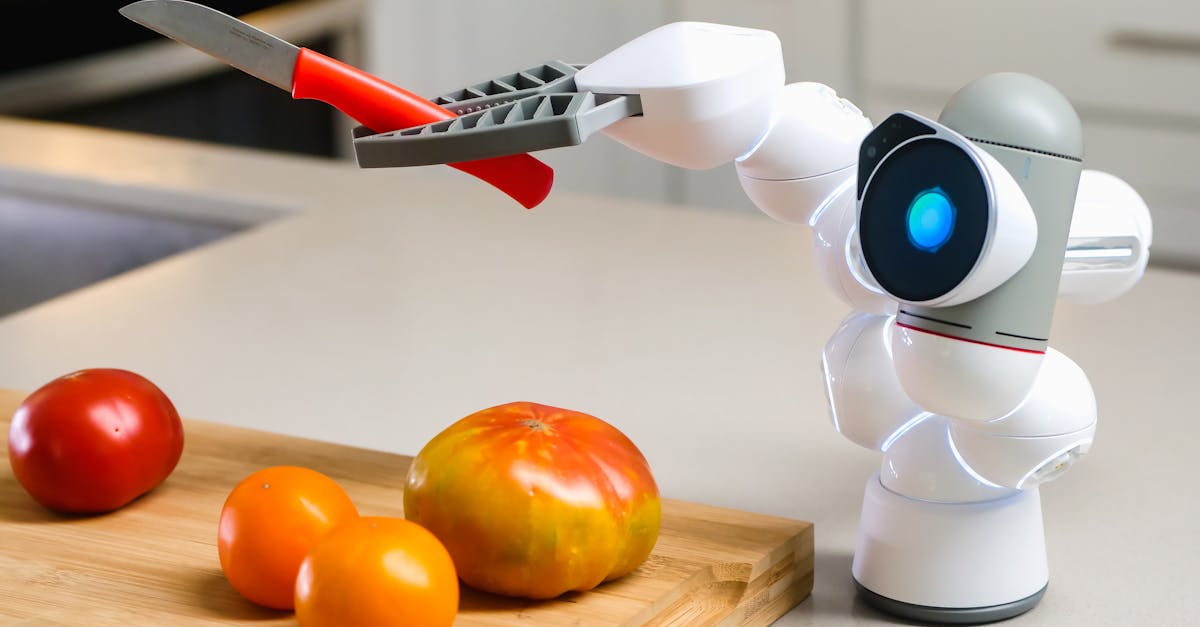
LG CLOiD: The 2026 Home Robot Ready to End Household Chores
What if, tomorrow morning, a robot prepared your coffee, took the laundry out of the washing machine and folded it neatly while you were in the shower? This scenario, long confined to the pages of science fiction novels, became a little more real at CES 2026 in Las Vegas. LG Electronics unveiled CLOiD, a two-armed domestic robot that aims to revolutionize our homes. A look at a machine that divides opinion as much as it fascinates.
CLOiD: Far More Than a Simple Robot Vacuum
For several years, robot vacuums have occupied our living rooms without causing much debate. They do their job in silence, sometimes getting stuck under the sofa, and that is about it. CLOiD, however, aims for a different dimension: that of the versatile robot, capable of interacting with the home environment autonomously and naturally.
This wheeled robot is equipped with two articulated arms each offering seven degrees of freedom, sufficient to replicate the fluidity of human gestures. Its head integrates an expressive screen, cameras, speakers and a voice artificial intelligence system, making interaction intuitive, almost familiar. CLOiD does not just speak: it understands the context of your home and adapts to it.
During the CES demonstrations, the robot was shown:
- Retrieving a bottle of milk from the refrigerator
- Placing a croissant in the oven and adjusting the cooking
- Starting a laundry cycle, then folding and stacking the dry clothes
- Controlling the other connected appliances in LG's ThinQ range
These tasks, although limited in scope, represent a considerable qualitative leap compared to current robots. LG trained CLOiD on tens of thousands of hours of domestic gesture data to achieve this level of precision.
The "Zero Labor Home" Vision: A House Without Chores
Behind CLOiD lies a concept that is as philosophical as it is technical. LG has dubbed it the Zero Labor Home — literally, the zero-effort home. The idea: free residents from the repetitive and time-consuming tasks that punctuate daily life, giving them back time, energy and freedom.
This is no small ambition. According to several studies, household chores take up an average of two to four hours per week for an active adult, and considerably more for families with children or people caring for dependants. If CLOiD — or its successors — manage to absorb part of this burden, the social implications could be significant.
"Our vision is to create a home where technology takes care of the chores so you can focus on what truly matters."
— LG Electronics, CES 2026
SwitchBot Onero H1: A Competitor Already in the Race
LG is not alone in this field. At the same CES 2026, SwitchBot presented Onero H1, a domestic robot adopting a similar philosophy. Also equipped with articulated arms and hands designed to grip objects of varying shapes, Onero H1 is conceived as the physical hub of a connected home ecosystem.
Its stated capabilities: serving coffee, loading plates into the dishwasher, or folding laundry. SwitchBot is betting on native integration with its other connected products — smart locks, switches, shutters — to offer a unified experience where the robot is the conductor of all the home's appliances.
The approach differs slightly from LG's: where CLOiD plays the versatility card and advanced human interaction, Onero H1 positions itself more as the physical extension of an already-installed smart home system.
What Remains to Be Solved: The Real Questions
As spectacular as they are, these demonstrations raise legitimate questions. The first is that of price: neither LG nor SwitchBot have communicated an official price for these robots. Industry analysts estimate that the first commercial models could be priced in the range of several thousand euros, making them out of reach for most households initially.
Next comes the question of reliability in real environments. An apartment prepared for a demo at the Las Vegas convention is far removed from the chaos of a home with children, pets, and toys scattered on the floor. Recognizing a soft, fragile or shape-changing object remains a formidable challenge for current computer vision systems.
Finally, the question of privacy is pressing. A robot equipped with cameras, circulating freely in your home, collects data about your interior, your habits and your interactions. Who has access to this data? How is it stored and used? These questions will need clear answers before any widespread adoption.
When Will Robots Really Be in Our Homes?
CLOiD remains for now a concept robot, not a commercialized product. LG has not communicated a launch date. But the acceleration is real: five years ago, robotic arms capable of folding laundry with this precision were confined to research labs. Today, consumer electronics giants are presenting them under the spotlights of the world's biggest tech show.
Industry experts forecast gradual commercialization between 2027 and 2030, first at premium prices, then in more accessible ranges as manufacturing costs decrease. Subscription models, similar to what car manufacturers have done with embedded software, could also emerge to democratize access to these robots.
Until then, one thing is certain: domestic robotics is no longer a futurist's dream. It is becoming, slowly but surely, an industrial reality. And while CLOiD is not yet the one that will fold your laundry tomorrow morning, it clearly signals what our homes will look like in ten years.
What This Changes for Us, Right Now
Even without having CLOiD at home, the announcement of these robots has immediate effects. It accelerates thinking about the standardization of smart home plugs and protocols — so that a robot can control any appliance in any home. It also pushes appliance manufacturers to rethink their products to make them "robot-compatible," with physical interfaces that are simpler for robotic arms to manipulate.
In France, where major appliance retailers have seen their sales stagnate in recent years, domestic robotics could represent a new growth driver. Industry players know this, and several have already begun investing in technology partnerships geared toward this next wave.
The kitchen, the laundry room, the tidying up: the most time-consuming chores are in the crosshairs. And for the first time since the invention of the dishwasher, it is possible to imagine that they could, one day, truly disappear.