 Chinese
  French
  English
  Spanish
  Japanese
  Korean
  Hindi
Hindi  German
  Norwegian
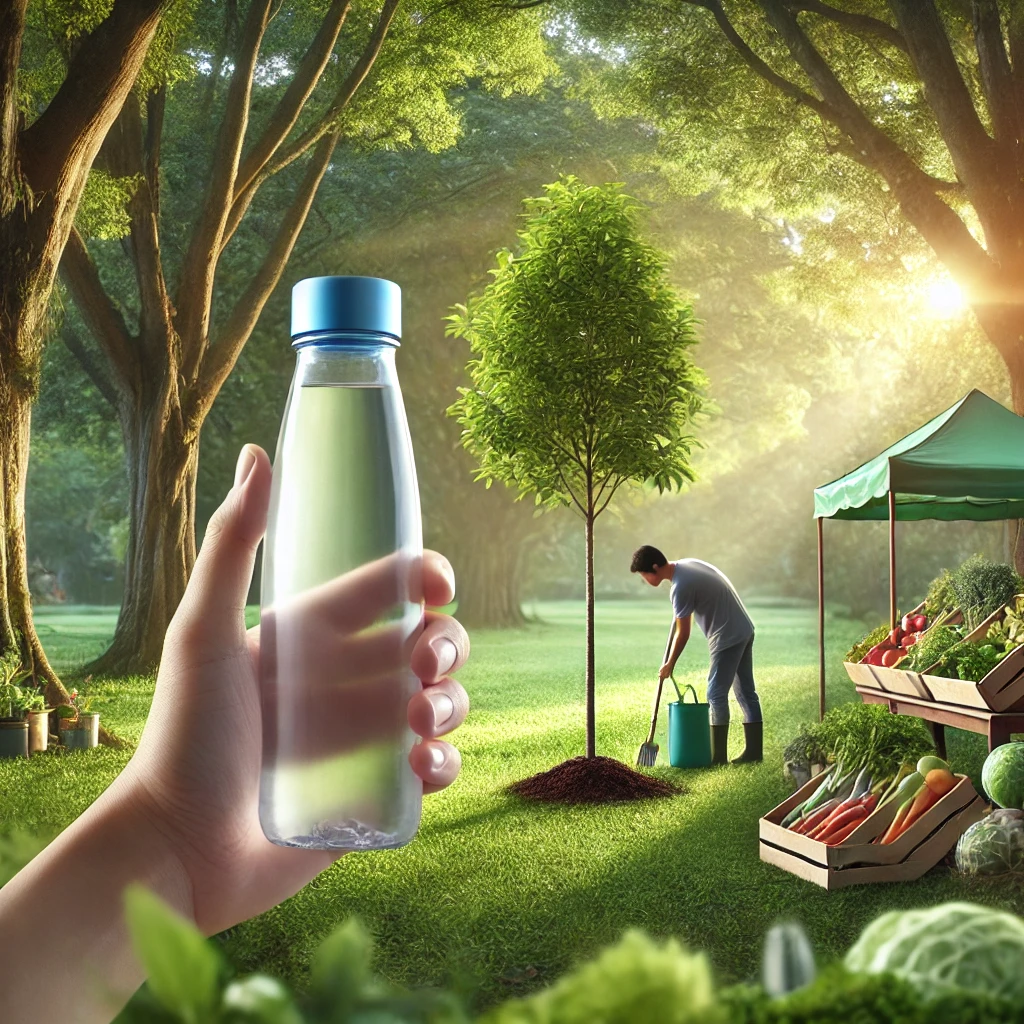
Acting for Tomorrow: These Simple Gestures That Make All the Difference
What if saving the planet didn't require revolutionizing your daily life? Adopting a sustainable lifestyle can seem daunting, but sometimes small adjustments are enough to make a big difference. These simple gestures, repeated by millions of people, can transform our collective future.
Here are 10 concrete ideas to reduce your environmental impact, without sacrificing comfort or your habits.
1. Say goodbye to plastic bottles
Investing in a reusable water bottle is one of the simplest ways to reduce plastic waste. Did you know that a plastic bottle takes approximately 450 years to fully decompose? In France, a person consumes an average of 96 water bottles per year, about 25 kg of plastic. By choosing a reusable bottle, you contribute to reducing these figures.
Some ideas to make the transition easier:
-
Choose a bottle suited to your lifestyle:
- If you like hot drinks, opt for an insulated stainless steel bottle.
- For sports or light outings, a BPA-free lightweight plastic bottle is ideal.
- If elegance matters, try a glass bottle with an anti-shock silicone sleeve.
-
Make tap water more appealing:
- If the water doesn't taste great, use a filter jug before filling your bottle.
- Add lemon slices, mint leaves or fruit to give it a natural flavour.
-
Make it a habit:
- Place your bottle near your bag or keys so you don't forget it when going out.
- Fill it every evening so it's ready for the next day.
Concrete impact:
- A single bottle can replace more than 150 plastic bottles per year. Imagine the impact if millions of people made this choice!
- You also save money: in France, one litre of bottled water costs about 0.40 euros, versus less than 0.004 euros for tap water.
Eco bonus:
When organising events, avoid buying packs of water bottles. Set up a water dispenser with reusable cups, or encourage guests to bring their own bottles.
Goodbye plastic bottles, hello planet!
2. Eat local and seasonal
Adopting a diet based on local and seasonal products is one of the most powerful gestures for reducing your ecological footprint, supporting the local economy and enjoying fresher, more flavourful products.
Why prefer local?
-
Fewer kilometres, less pollution:
Imported fruit and vegetables travel thousands of kilometres before reaching our supermarkets. By choosing locally grown products, you limit these CO₂ emissions. -
Fresher products:
Local fruit and vegetables are often harvested at optimal ripeness, guaranteeing better nutritional and taste quality. -
Supporting local producers:
Buying directly from farmers or at local markets allows those who work the land to be fairly rewarded.
Why eat seasonally?
-
Less energy for production:
Seasonal fruit and vegetables grow naturally, without needing heated greenhouses. -
Savings in your pocket:
Seasonal products are often cheaper because they are abundant. -
A renewed pleasure:
Eating seasonally allows you to vary your diet and rediscover the pleasure of waiting for certain products, like cherries in summer or squash in autumn.
How to integrate this habit into your daily life?
-
Find local producers:
Look for farmers' markets, agricultural cooperatives or local farms with weekly vegetable boxes. -
Avoid exotic fruit out of season:
For example, prefer apples in winter rather than imported mangoes or avocados. -
Learn to cook differently:
Discover seasonal recipes: root vegetable soup in winter or fresh tomato salad in summer. -
Read the labels:
Check the origin of products and give preference to those grown near you.
Concrete impact:
- If every household halved its consumption of imported products, it would prevent the emission of thousands of tonnes of CO₂ every year.
- By eating local and seasonal, you become a key player in preserving biodiversity.
Bonus:
Participate in events like harvest picks at local farms or seasonal markets. These are perfect moments to discover the origin of your food and have a great time as a family.
Eating local and seasonal is a way to reconnect with nature and give meaning to what we put on our plate.
3. Opt for reusable bags
The era of single-use plastic bags is over. Always keep a few reusable bags in your car or bag for shopping. It's a simple but effective gesture.
4. Reduce food waste
Every year, approximately 1/3 of food produced in the world is wasted, with a colossal impact on the environment. Adopting better habits is an ecological and economic gesture that is easy to integrate into daily life.
Why does it matter?
-
Avoid unnecessary waste:
When we throw away food, we waste all the resources used to produce it. -
Reduce your carbon footprint:
Food waste in landfills produces methane, a powerful greenhouse gas. -
Save money:
In France, food waste costs approximately 240 euros per person per year.
How to reduce food waste in daily life?
-
Plan your meals:
- Make a shopping list based on your planned meals for the week.
- Organise your fridge by putting items to be consumed soon at the front.
-
Freeze surpluses:
- Don't throw away leftovers: freeze them for a future meal.
- Divide food into portions before freezing.
-
Cook the "forgotten leftovers":
- Transform your leftovers into new dishes: a gratin with cooked vegetables or a quiche with meat scraps.
- Overripe fruit can be used in smoothies or cakes.
-
Use the "less noble" parts of food:
- Carrot or radish tops can be made into pesto or soup.
- Vegetable peelings can be used for homemade stocks.
- Stale bread can become croutons or French toast.
-
Adopt batch cooking:
Prepare several meals at once to use all your ingredients efficiently. -
Watch the dates:
- Understand the difference between "use by" (fresh products) and "best before" (dry products). Many foods are still consumable after the latter date.
Some concrete ideas:
- A zero-waste omelette: Use vegetable, cheese or meat leftovers for a tasty omelette.
- Improvised soups or purees: Blend "tired" vegetables into a homemade soup.
- Mixed salads: Combine pasta, rice or vegetable leftovers for a quick salad.
Concrete impact:
- Reducing waste allows an average family to save up to 500 kg of food per year.
- Less food wasted means less waste pressure on local communities.
Bonus:
Participate in local initiatives such as community fridges or anti-waste apps (e.g.: Too Good To Go, Phenix).
Reducing food waste is an opportunity to cook more creatively and save money.
5. Unplug standby devices
Electronic devices continue to consume energy even when switched off. Use a power strip with a switch to disconnect everything in one go.
6. Limit meat consumption
Meat production contributes massively to greenhouse gas emissions, deforestation and water consumption. Limiting your consumption, even slightly, has a significant impact on the environment.
Why reduce meat consumption?
-
Reduction of greenhouse gas emissions:
Livestock farming accounts for approximately 14.5% of global GHG emissions, more than all transport combined. -
Water savings:
Producing 1 kg of beef requires approximately 15,000 litres of water, while 1 kg of cereals only needs 1,500 litres. -
Preservation of land:
Pastures and animal feed crops occupy approximately 80% of global agricultural land. -
Health benefits:
A diet rich in red and processed meat is associated with a higher risk of cardiovascular disease and certain cancers.
How to limit meat consumption without changing your habits too much?
-
Adopt a meat-free day:
Start with one vegetarian day a week, such as "Meatless Monday". -
Try vegetarian alternatives:
- Recipes based on legumes (lentils, chickpeas, beans), rich in protein.
- Plant-based substitutes such as tofu, tempeh or seitan.
-
Make meat an "accompaniment":
Reduce portions and replace them with more vegetables, whole grains or legumes. -
Try world cuisines:
Indian, Mediterranean or Asian cuisines offer a wide variety of delicious vegetarian dishes. -
Buy better quality meat:
By reducing the quantity, you can invest in meat from environmentally respectful farms. -
Prefer meats with lower environmental impact:
Chicken and eggs have a much smaller ecological footprint than beef or lamb.
Some meat-free dish ideas:
- Meatless chilli: A spicy chilli based on kidney beans, corn and tomatoes.
- Vegetarian bolognese: Replace minced meat with lentils or textured soy protein.
- Chickpea and vegetable curry: Creamy and spiced, perfect with basmati rice.
- Vegetarian burger: Based on black beans, sweet potato or chickpeas.
Concrete impact:
-
If each person replaced one meat meal per week with a vegetarian one, approximately 12 million tonnes of CO₂ would be saved per year.
-
Reducing meat consumption by just 10% saves around 150 kg of CO₂ per person per year.
Bonus: Involve those around you
Make this initiative a collective project by proposing to your family or friends to share vegetarian meals together.
Limiting meat is not giving up, it's rethinking food to combine pleasure, health and respect for the environment.
7. Say yes to carpooling and soft mobility
Can't do without the car? Think about carpooling. For short journeys, adopt walking or cycling. A solution that's good for the planet and for your health!
8. Give new life to old objects
Before throwing away used objects, think: can you give them a second life? Donating, selling, repairing or transforming these objects can not only reduce your waste, but also make someone happy or save you money.
Why reuse your objects?
-
Reduce waste:
Fewer objects in landfills means less pollution and wasted resources. -
Save money:
Repairing or buying second-hand usually costs less than replacing with something new. -
Support the circular economy:
By donating or selling your objects, you participate in a system where goods circulate more.
How to reuse your objects in daily life?
-
Repair before discarding:
- For your electronic devices, channels like Millo Maker on YouTube offer detailed repair tutorials.
- Look for local repair workshops (e.g.: Repair Cafes).
-
Transform your objects:
- Give a new function to your unused belongings. For example, an old shirt can become a bag.
- Get inspired by DIY videos for creative ideas.
-
Donate or sell your objects:
- Online platforms: eBay, Vinted or Geev make it easy to sell or donate clothes, furniture or household appliances.
- Charities: organisations like the Salvation Army or local charities accept donations of furniture, clothes and appliances.
-
Buy second-hand:
When you need something, consider second-hand before buying new.
Concrete examples of reused objects:
-
IT and electronics:
A tablet with a cracked screen can be repaired for a fraction of the price of a new one. Millo Maker offers practical repair tips. -
Clothing:
Too-short trousers can become shorts, or a jacket with holes can be personalised with patches. -
Furniture:
An old table can be sanded and painted for a modern look.
Concrete impact:
- Each repaired or donated object avoids contributing to the 1.6 billion tonnes of waste generated annually worldwide.
- On average, repairing an appliance costs 30% less than buying a new one.
Bonus: A solidarity gesture
Involve your friends or children in repairing or transforming your objects. It becomes a fun and educational activity.
Reusing your old objects is good for the planet and a way to give meaning back to consumption in a sustainable logic.
9. Switch to sustainable products
Adopting sustainable products in daily life is a simple but very effective step to reduce your waste. These reusable alternatives replace disposable plastic or non-biodegradable material objects.
Why choose sustainable products?
-
Waste reduction:
Disposable products quickly end up in the bin. Durable alternatives can be reused for months or years. -
Less plastic in daily life:
Alternatives in bamboo, fabric or other natural materials biodegrade more quickly. -
Long-term savings:
Although the initial cost may be higher, reusability makes them much more cost-effective.
Examples of sustainable products and how to integrate them:
-
For the home:
- Washable sponges:
Replace disposable sponges with washable compostable sponges (loofah or cotton).- Example: A loofah sponge can last several months and be composted at the end of its useful life.
- Reusable cloths:
Replace kitchen roll with washable microfibre or cotton cloths.
- Washable sponges:
-
In the bathroom:
- Reusable make-up remover pads:
Made from bamboo or organic cotton, machine-washable and replacing hundreds of disposable pads.- Example: A set of 10 pads can last several years and save around 3,000 disposables.
- Bamboo toothbrushes:
Unlike plastic ones, they are biodegradable and just as effective.- Tip: Once used, remove the bristles and compost the handle.
- Solid soaps and shampoos:
Plastic-free alternatives that last longer and avoid single-use bottles.
- Reusable make-up remover pads:
-
For the kitchen:
- Beeswax wraps:
Reusable beeswax-based wraps that replace cling film.- Example: Use them to wrap a sandwich, cover a bowl or preserve fruit.
- Reusable straws:
Made of stainless steel, bamboo or silicone.- Tip: Keep one in your bag for outings.
- Beeswax wraps:
-
For shopping:
- Bulk bags:
Light fabric bags for buying fruit, vegetables or bulk products.- Example: One set can be used hundreds of times.
- Reusable shopping bags:
For carrying your shopping, prefer fabric or jute bags.
- Bulk bags:
How to integrate these products into your routine?
-
Do it progressively:
Start with one product at a time, such as make-up remover pads or a bamboo toothbrush. -
Choose products suited to your needs:
Look for ethical or local brands, and read reviews to find quality products. -
Maintenance:
Wash cloths, sponges and reusable pads regularly to extend their lifespan.- Tip: Washable pads work well in a laundry bag in the washing machine.
Concrete impact:
- Replacing just one disposable product can prevent the production of kilos of waste every year.
- If every household replaced disposable make-up pads with washable alternatives, tonnes of non-recyclable waste would be avoided.
Bonus: Educate those around you
Show your new sustainable products to friends or family and share your tips. These changes can inspire others.
Switching to sustainable products is a small step for you, but a giant leap for the planet.
10. Plant trees, even virtually
Planting trees is one of the most effective gestures in the fight against climate change. Thanks to apps and online platforms, you can contribute to reforestation without getting your hands dirty.
Why plant trees?
-
CO₂ reduction:
An adult tree can absorb on average 22 kg of carbon dioxide per year. -
Preservation of biodiversity:
Trees provide habitat for numerous animal and plant species. -
Fighting desertification:
Planting initiatives slow the advance of deserts and improve soil quality. -
Personal commitment:
Planting trees virtually is an accessible way to participate in a global cause.
How to plant trees virtually?
-
Mobile apps and online platforms:
- Ecosia: This search engine uses the advertising revenue from your searches to fund reforestation projects. Approximately 45 searches allow a tree to be planted.
- Tree-Nation: Allows you to directly finance tree planting in international projects.
- Forest: An app that rewards your focus with credits to plant real trees.
-
Commercial initiatives:
- Many companies commit to planting trees for each purchase made. For example:
- 4Ocean: By buying their bracelets, you contribute to ocean cleaning and tree planting.
- Tentree: This clothing brand plants ten trees for each item purchased.
- Many companies commit to planting trees for each purchase made. For example:
-
Online games:
- Some educational games, such as Plant-for-the-Planet, raise awareness of the importance of trees and fund real plantings.
-
Participating in crowdfunding campaigns:
- Organisations such as Reforest'Action or One Tree Planted propose campaigns where each euro raised funds one or more trees.
Want to plant physically but have no garden?
-
Adopt a tree:
Some municipalities and associations offer adoption programmes where you fund a tree to be planted in a local park or forest. -
Participate in planting events:
Join local groups or organised days to plant trees in public spaces. -
Plant urban mini-forests:
Even a small space can accommodate trees. The Miyawaki method allows micro-forests on small surfaces.
Concrete examples of projects to support:
- The Great Green Wall in Africa: A project to plant trees and stop the advance of the Sahara desert.
- Amazon conservation projects: Initiatives to reforest degraded areas of the Amazon rainforest.
- Reforestation in Europe: Projects to restore forests destroyed by fires or storms.
Concrete impact:
- A tree can capture 1,000 kg of CO₂ over its lifetime.
- If every internet user planted one tree a year, it would represent billions of additional trees in the world.
Bonus: Involve your loved ones
Share the apps or platforms for planting trees virtually. Create challenges with family or friends to reach a certain number of trees together.
Plant a tree, virtual or physical, and leave a positive footprint for future generations.
Conclusion
Changing the world starts at home, with simple gestures. The idea isn't to aim for perfection, but to progress one step at a time. Every effort counts, and on a large scale, these small gestures have a colossal impact. Which of these gestures will you adopt today?



Acting for Tomorrow: These Simple Gestures That Make All the Difference
What if saving the planet didn't require revolutionizing your daily life? Adopting a sustainable lifestyle can seem daunting, but sometimes small adjustments are enough to make a big difference. These simple gestures, repeated by millions of people, can transform our collective future.
Here are 10 concrete ideas to reduce your environmental impact, without sacrificing comfort or your habits.
1. Say goodbye to plastic bottles
Investing in a reusable water bottle is one of the simplest ways to reduce plastic waste. Did you know that a plastic bottle takes approximately 450 years to fully decompose? In France, a person consumes an average of 96 water bottles per year, about 25 kg of plastic. By choosing a reusable bottle, you contribute to reducing these figures.
Some ideas to make the transition easier:
-
Choose a bottle suited to your lifestyle:
- If you like hot drinks, opt for an insulated stainless steel bottle.
- For sports or light outings, a BPA-free lightweight plastic bottle is ideal.
- If elegance matters, try a glass bottle with an anti-shock silicone sleeve.
-
Make tap water more appealing:
- If the water doesn't taste great, use a filter jug before filling your bottle.
- Add lemon slices, mint leaves or fruit to give it a natural flavour.
-
Make it a habit:
- Place your bottle near your bag or keys so you don't forget it when going out.
- Fill it every evening so it's ready for the next day.
Concrete impact:
- A single bottle can replace more than 150 plastic bottles per year. Imagine the impact if millions of people made this choice!
- You also save money: in France, one litre of bottled water costs about 0.40 euros, versus less than 0.004 euros for tap water.
Eco bonus:
When organising events, avoid buying packs of water bottles. Set up a water dispenser with reusable cups, or encourage guests to bring their own bottles.
Goodbye plastic bottles, hello planet!
2. Eat local and seasonal
Adopting a diet based on local and seasonal products is one of the most powerful gestures for reducing your ecological footprint, supporting the local economy and enjoying fresher, more flavourful products.
Why prefer local?
-
Fewer kilometres, less pollution:
Imported fruit and vegetables travel thousands of kilometres before reaching our supermarkets. By choosing locally grown products, you limit these CO₂ emissions. -
Fresher products:
Local fruit and vegetables are often harvested at optimal ripeness, guaranteeing better nutritional and taste quality. -
Supporting local producers:
Buying directly from farmers or at local markets allows those who work the land to be fairly rewarded.
Why eat seasonally?
-
Less energy for production:
Seasonal fruit and vegetables grow naturally, without needing heated greenhouses. -
Savings in your pocket:
Seasonal products are often cheaper because they are abundant. -
A renewed pleasure:
Eating seasonally allows you to vary your diet and rediscover the pleasure of waiting for certain products, like cherries in summer or squash in autumn.
How to integrate this habit into your daily life?
-
Find local producers:
Look for farmers' markets, agricultural cooperatives or local farms with weekly vegetable boxes. -
Avoid exotic fruit out of season:
For example, prefer apples in winter rather than imported mangoes or avocados. -
Learn to cook differently:
Discover seasonal recipes: root vegetable soup in winter or fresh tomato salad in summer. -
Read the labels:
Check the origin of products and give preference to those grown near you.
Concrete impact:
- If every household halved its consumption of imported products, it would prevent the emission of thousands of tonnes of CO₂ every year.
- By eating local and seasonal, you become a key player in preserving biodiversity.
Bonus:
Participate in events like harvest picks at local farms or seasonal markets. These are perfect moments to discover the origin of your food and have a great time as a family.
Eating local and seasonal is a way to reconnect with nature and give meaning to what we put on our plate.
3. Opt for reusable bags
The era of single-use plastic bags is over. Always keep a few reusable bags in your car or bag for shopping. It's a simple but effective gesture.
4. Reduce food waste
Every year, approximately 1/3 of food produced in the world is wasted, with a colossal impact on the environment. Adopting better habits is an ecological and economic gesture that is easy to integrate into daily life.
Why does it matter?
-
Avoid unnecessary waste:
When we throw away food, we waste all the resources used to produce it. -
Reduce your carbon footprint:
Food waste in landfills produces methane, a powerful greenhouse gas. -
Save money:
In France, food waste costs approximately 240 euros per person per year.
How to reduce food waste in daily life?
-
Plan your meals:
- Make a shopping list based on your planned meals for the week.
- Organise your fridge by putting items to be consumed soon at the front.
-
Freeze surpluses:
- Don't throw away leftovers: freeze them for a future meal.
- Divide food into portions before freezing.
-
Cook the "forgotten leftovers":
- Transform your leftovers into new dishes: a gratin with cooked vegetables or a quiche with meat scraps.
- Overripe fruit can be used in smoothies or cakes.
-
Use the "less noble" parts of food:
- Carrot or radish tops can be made into pesto or soup.
- Vegetable peelings can be used for homemade stocks.
- Stale bread can become croutons or French toast.
-
Adopt batch cooking:
Prepare several meals at once to use all your ingredients efficiently. -
Watch the dates:
- Understand the difference between "use by" (fresh products) and "best before" (dry products). Many foods are still consumable after the latter date.
Some concrete ideas:
- A zero-waste omelette: Use vegetable, cheese or meat leftovers for a tasty omelette.
- Improvised soups or purees: Blend "tired" vegetables into a homemade soup.
- Mixed salads: Combine pasta, rice or vegetable leftovers for a quick salad.
Concrete impact:
- Reducing waste allows an average family to save up to 500 kg of food per year.
- Less food wasted means less waste pressure on local communities.
Bonus:
Participate in local initiatives such as community fridges or anti-waste apps (e.g.: Too Good To Go, Phenix).
Reducing food waste is an opportunity to cook more creatively and save money.
5. Unplug standby devices
Electronic devices continue to consume energy even when switched off. Use a power strip with a switch to disconnect everything in one go.
6. Limit meat consumption
Meat production contributes massively to greenhouse gas emissions, deforestation and water consumption. Limiting your consumption, even slightly, has a significant impact on the environment.
Why reduce meat consumption?
-
Reduction of greenhouse gas emissions:
Livestock farming accounts for approximately 14.5% of global GHG emissions, more than all transport combined. -
Water savings:
Producing 1 kg of beef requires approximately 15,000 litres of water, while 1 kg of cereals only needs 1,500 litres. -
Preservation of land:
Pastures and animal feed crops occupy approximately 80% of global agricultural land. -
Health benefits:
A diet rich in red and processed meat is associated with a higher risk of cardiovascular disease and certain cancers.
How to limit meat consumption without changing your habits too much?
-
Adopt a meat-free day:
Start with one vegetarian day a week, such as "Meatless Monday". -
Try vegetarian alternatives:
- Recipes based on legumes (lentils, chickpeas, beans), rich in protein.
- Plant-based substitutes such as tofu, tempeh or seitan.
-
Make meat an "accompaniment":
Reduce portions and replace them with more vegetables, whole grains or legumes. -
Try world cuisines:
Indian, Mediterranean or Asian cuisines offer a wide variety of delicious vegetarian dishes. -
Buy better quality meat:
By reducing the quantity, you can invest in meat from environmentally respectful farms. -
Prefer meats with lower environmental impact:
Chicken and eggs have a much smaller ecological footprint than beef or lamb.
Some meat-free dish ideas:
- Meatless chilli: A spicy chilli based on kidney beans, corn and tomatoes.
- Vegetarian bolognese: Replace minced meat with lentils or textured soy protein.
- Chickpea and vegetable curry: Creamy and spiced, perfect with basmati rice.
- Vegetarian burger: Based on black beans, sweet potato or chickpeas.
Concrete impact:
-
If each person replaced one meat meal per week with a vegetarian one, approximately 12 million tonnes of CO₂ would be saved per year.
-
Reducing meat consumption by just 10% saves around 150 kg of CO₂ per person per year.
Bonus: Involve those around you
Make this initiative a collective project by proposing to your family or friends to share vegetarian meals together.
Limiting meat is not giving up, it's rethinking food to combine pleasure, health and respect for the environment.
7. Say yes to carpooling and soft mobility
Can't do without the car? Think about carpooling. For short journeys, adopt walking or cycling. A solution that's good for the planet and for your health!
8. Give new life to old objects
Before throwing away used objects, think: can you give them a second life? Donating, selling, repairing or transforming these objects can not only reduce your waste, but also make someone happy or save you money.
Why reuse your objects?
-
Reduce waste:
Fewer objects in landfills means less pollution and wasted resources. -
Save money:
Repairing or buying second-hand usually costs less than replacing with something new. -
Support the circular economy:
By donating or selling your objects, you participate in a system where goods circulate more.
How to reuse your objects in daily life?
-
Repair before discarding:
- For your electronic devices, channels like Millo Maker on YouTube offer detailed repair tutorials.
- Look for local repair workshops (e.g.: Repair Cafes).
-
Transform your objects:
- Give a new function to your unused belongings. For example, an old shirt can become a bag.
- Get inspired by DIY videos for creative ideas.
-
Donate or sell your objects:
- Online platforms: eBay, Vinted or Geev make it easy to sell or donate clothes, furniture or household appliances.
- Charities: organisations like the Salvation Army or local charities accept donations of furniture, clothes and appliances.
-
Buy second-hand:
When you need something, consider second-hand before buying new.
Concrete examples of reused objects:
-
IT and electronics:
A tablet with a cracked screen can be repaired for a fraction of the price of a new one. Millo Maker offers practical repair tips. -
Clothing:
Too-short trousers can become shorts, or a jacket with holes can be personalised with patches. -
Furniture:
An old table can be sanded and painted for a modern look.
Concrete impact:
- Each repaired or donated object avoids contributing to the 1.6 billion tonnes of waste generated annually worldwide.
- On average, repairing an appliance costs 30% less than buying a new one.
Bonus: A solidarity gesture
Involve your friends or children in repairing or transforming your objects. It becomes a fun and educational activity.
Reusing your old objects is good for the planet and a way to give meaning back to consumption in a sustainable logic.
9. Switch to sustainable products
Adopting sustainable products in daily life is a simple but very effective step to reduce your waste. These reusable alternatives replace disposable plastic or non-biodegradable material objects.
Why choose sustainable products?
-
Waste reduction:
Disposable products quickly end up in the bin. Durable alternatives can be reused for months or years. -
Less plastic in daily life:
Alternatives in bamboo, fabric or other natural materials biodegrade more quickly. -
Long-term savings:
Although the initial cost may be higher, reusability makes them much more cost-effective.
Examples of sustainable products and how to integrate them:
-
For the home:
- Washable sponges:
Replace disposable sponges with washable compostable sponges (loofah or cotton).- Example: A loofah sponge can last several months and be composted at the end of its useful life.
- Reusable cloths:
Replace kitchen roll with washable microfibre or cotton cloths.
- Washable sponges:
-
In the bathroom:
- Reusable make-up remover pads:
Made from bamboo or organic cotton, machine-washable and replacing hundreds of disposable pads.- Example: A set of 10 pads can last several years and save around 3,000 disposables.
- Bamboo toothbrushes:
Unlike plastic ones, they are biodegradable and just as effective.- Tip: Once used, remove the bristles and compost the handle.
- Solid soaps and shampoos:
Plastic-free alternatives that last longer and avoid single-use bottles.
- Reusable make-up remover pads:
-
For the kitchen:
- Beeswax wraps:
Reusable beeswax-based wraps that replace cling film.- Example: Use them to wrap a sandwich, cover a bowl or preserve fruit.
- Reusable straws:
Made of stainless steel, bamboo or silicone.- Tip: Keep one in your bag for outings.
- Beeswax wraps:
-
For shopping:
- Bulk bags:
Light fabric bags for buying fruit, vegetables or bulk products.- Example: One set can be used hundreds of times.
- Reusable shopping bags:
For carrying your shopping, prefer fabric or jute bags.
- Bulk bags:
How to integrate these products into your routine?
-
Do it progressively:
Start with one product at a time, such as make-up remover pads or a bamboo toothbrush. -
Choose products suited to your needs:
Look for ethical or local brands, and read reviews to find quality products. -
Maintenance:
Wash cloths, sponges and reusable pads regularly to extend their lifespan.- Tip: Washable pads work well in a laundry bag in the washing machine.
Concrete impact:
- Replacing just one disposable product can prevent the production of kilos of waste every year.
- If every household replaced disposable make-up pads with washable alternatives, tonnes of non-recyclable waste would be avoided.
Bonus: Educate those around you
Show your new sustainable products to friends or family and share your tips. These changes can inspire others.
Switching to sustainable products is a small step for you, but a giant leap for the planet.
10. Plant trees, even virtually
Planting trees is one of the most effective gestures in the fight against climate change. Thanks to apps and online platforms, you can contribute to reforestation without getting your hands dirty.
Why plant trees?
-
CO₂ reduction:
An adult tree can absorb on average 22 kg of carbon dioxide per year. -
Preservation of biodiversity:
Trees provide habitat for numerous animal and plant species. -
Fighting desertification:
Planting initiatives slow the advance of deserts and improve soil quality. -
Personal commitment:
Planting trees virtually is an accessible way to participate in a global cause.
How to plant trees virtually?
-
Mobile apps and online platforms:
- Ecosia: This search engine uses the advertising revenue from your searches to fund reforestation projects. Approximately 45 searches allow a tree to be planted.
- Tree-Nation: Allows you to directly finance tree planting in international projects.
- Forest: An app that rewards your focus with credits to plant real trees.
-
Commercial initiatives:
- Many companies commit to planting trees for each purchase made. For example:
- 4Ocean: By buying their bracelets, you contribute to ocean cleaning and tree planting.
- Tentree: This clothing brand plants ten trees for each item purchased.
- Many companies commit to planting trees for each purchase made. For example:
-
Online games:
- Some educational games, such as Plant-for-the-Planet, raise awareness of the importance of trees and fund real plantings.
-
Participating in crowdfunding campaigns:
- Organisations such as Reforest'Action or One Tree Planted propose campaigns where each euro raised funds one or more trees.
Want to plant physically but have no garden?
-
Adopt a tree:
Some municipalities and associations offer adoption programmes where you fund a tree to be planted in a local park or forest. -
Participate in planting events:
Join local groups or organised days to plant trees in public spaces. -
Plant urban mini-forests:
Even a small space can accommodate trees. The Miyawaki method allows micro-forests on small surfaces.
Concrete examples of projects to support:
- The Great Green Wall in Africa: A project to plant trees and stop the advance of the Sahara desert.
- Amazon conservation projects: Initiatives to reforest degraded areas of the Amazon rainforest.
- Reforestation in Europe: Projects to restore forests destroyed by fires or storms.
Concrete impact:
- A tree can capture 1,000 kg of CO₂ over its lifetime.
- If every internet user planted one tree a year, it would represent billions of additional trees in the world.
Bonus: Involve your loved ones
Share the apps or platforms for planting trees virtually. Create challenges with family or friends to reach a certain number of trees together.
Plant a tree, virtual or physical, and leave a positive footprint for future generations.
Conclusion
Changing the world starts at home, with simple gestures. The idea isn't to aim for perfection, but to progress one step at a time. Every effort counts, and on a large scale, these small gestures have a colossal impact. Which of these gestures will you adopt today?
Acting for Tomorrow: These Simple Gestures That Make All the Difference
What if saving the planet didn't require revolutionizing your daily life? Adopting a sustainable lifestyle can seem daunting, but sometimes small adjustments are enough to make a big difference. These simple gestures, repeated by millions of people, can transform our collective future.
Here are 10 concrete ideas to reduce your environmental impact, without sacrificing comfort or your habits.
1. Say goodbye to plastic bottles
Investing in a reusable water bottle is one of the simplest ways to reduce plastic waste. Did you know that a plastic bottle takes approximately 450 years to fully decompose? In France, a person consumes an average of 96 water bottles per year, about 25 kg of plastic. By choosing a reusable bottle, you contribute to reducing these figures.
Some ideas to make the transition easier:
-
Choose a bottle suited to your lifestyle:
- If you like hot drinks, opt for an insulated stainless steel bottle.
- For sports or light outings, a BPA-free lightweight plastic bottle is ideal.
- If elegance matters, try a glass bottle with an anti-shock silicone sleeve.
-
Make tap water more appealing:
- If the water doesn't taste great, use a filter jug before filling your bottle.
- Add lemon slices, mint leaves or fruit to give it a natural flavour.
-
Make it a habit:
- Place your bottle near your bag or keys so you don't forget it when going out.
- Fill it every evening so it's ready for the next day.
Concrete impact:
- A single bottle can replace more than 150 plastic bottles per year. Imagine the impact if millions of people made this choice!
- You also save money: in France, one litre of bottled water costs about 0.40 euros, versus less than 0.004 euros for tap water.
Eco bonus:
When organising events, avoid buying packs of water bottles. Set up a water dispenser with reusable cups, or encourage guests to bring their own bottles.
Goodbye plastic bottles, hello planet!
2. Eat local and seasonal
Adopting a diet based on local and seasonal products is one of the most powerful gestures for reducing your ecological footprint, supporting the local economy and enjoying fresher, more flavourful products.
Why prefer local?
-
Fewer kilometres, less pollution:
Imported fruit and vegetables travel thousands of kilometres before reaching our supermarkets. By choosing locally grown products, you limit these CO₂ emissions. -
Fresher products:
Local fruit and vegetables are often harvested at optimal ripeness, guaranteeing better nutritional and taste quality. -
Supporting local producers:
Buying directly from farmers or at local markets allows those who work the land to be fairly rewarded.
Why eat seasonally?
-
Less energy for production:
Seasonal fruit and vegetables grow naturally, without needing heated greenhouses. -
Savings in your pocket:
Seasonal products are often cheaper because they are abundant. -
A renewed pleasure:
Eating seasonally allows you to vary your diet and rediscover the pleasure of waiting for certain products, like cherries in summer or squash in autumn.
How to integrate this habit into your daily life?
-
Find local producers:
Look for farmers' markets, agricultural cooperatives or local farms with weekly vegetable boxes. -
Avoid exotic fruit out of season:
For example, prefer apples in winter rather than imported mangoes or avocados. -
Learn to cook differently:
Discover seasonal recipes: root vegetable soup in winter or fresh tomato salad in summer. -
Read the labels:
Check the origin of products and give preference to those grown near you.
Concrete impact:
- If every household halved its consumption of imported products, it would prevent the emission of thousands of tonnes of CO₂ every year.
- By eating local and seasonal, you become a key player in preserving biodiversity.
Bonus:
Participate in events like harvest picks at local farms or seasonal markets. These are perfect moments to discover the origin of your food and have a great time as a family.
Eating local and seasonal is a way to reconnect with nature and give meaning to what we put on our plate.
3. Opt for reusable bags
The era of single-use plastic bags is over. Always keep a few reusable bags in your car or bag for shopping. It's a simple but effective gesture.
4. Reduce food waste
Every year, approximately 1/3 of food produced in the world is wasted, with a colossal impact on the environment. Adopting better habits is an ecological and economic gesture that is easy to integrate into daily life.
Why does it matter?
-
Avoid unnecessary waste:
When we throw away food, we waste all the resources used to produce it. -
Reduce your carbon footprint:
Food waste in landfills produces methane, a powerful greenhouse gas. -
Save money:
In France, food waste costs approximately 240 euros per person per year.
How to reduce food waste in daily life?
-
Plan your meals:
- Make a shopping list based on your planned meals for the week.
- Organise your fridge by putting items to be consumed soon at the front.
-
Freeze surpluses:
- Don't throw away leftovers: freeze them for a future meal.
- Divide food into portions before freezing.
-
Cook the "forgotten leftovers":
- Transform your leftovers into new dishes: a gratin with cooked vegetables or a quiche with meat scraps.
- Overripe fruit can be used in smoothies or cakes.
-
Use the "less noble" parts of food:
- Carrot or radish tops can be made into pesto or soup.
- Vegetable peelings can be used for homemade stocks.
- Stale bread can become croutons or French toast.
-
Adopt batch cooking:
Prepare several meals at once to use all your ingredients efficiently. -
Watch the dates:
- Understand the difference between "use by" (fresh products) and "best before" (dry products). Many foods are still consumable after the latter date.
Some concrete ideas:
- A zero-waste omelette: Use vegetable, cheese or meat leftovers for a tasty omelette.
- Improvised soups or purees: Blend "tired" vegetables into a homemade soup.
- Mixed salads: Combine pasta, rice or vegetable leftovers for a quick salad.
Concrete impact:
- Reducing waste allows an average family to save up to 500 kg of food per year.
- Less food wasted means less waste pressure on local communities.
Bonus:
Participate in local initiatives such as community fridges or anti-waste apps (e.g.: Too Good To Go, Phenix).
Reducing food waste is an opportunity to cook more creatively and save money.
5. Unplug standby devices
Electronic devices continue to consume energy even when switched off. Use a power strip with a switch to disconnect everything in one go.
6. Limit meat consumption
Meat production contributes massively to greenhouse gas emissions, deforestation and water consumption. Limiting your consumption, even slightly, has a significant impact on the environment.
Why reduce meat consumption?
-
Reduction of greenhouse gas emissions:
Livestock farming accounts for approximately 14.5% of global GHG emissions, more than all transport combined. -
Water savings:
Producing 1 kg of beef requires approximately 15,000 litres of water, while 1 kg of cereals only needs 1,500 litres. -
Preservation of land:
Pastures and animal feed crops occupy approximately 80% of global agricultural land. -
Health benefits:
A diet rich in red and processed meat is associated with a higher risk of cardiovascular disease and certain cancers.
How to limit meat consumption without changing your habits too much?
-
Adopt a meat-free day:
Start with one vegetarian day a week, such as "Meatless Monday". -
Try vegetarian alternatives:
- Recipes based on legumes (lentils, chickpeas, beans), rich in protein.
- Plant-based substitutes such as tofu, tempeh or seitan.
-
Make meat an "accompaniment":
Reduce portions and replace them with more vegetables, whole grains or legumes. -
Try world cuisines:
Indian, Mediterranean or Asian cuisines offer a wide variety of delicious vegetarian dishes. -
Buy better quality meat:
By reducing the quantity, you can invest in meat from environmentally respectful farms. -
Prefer meats with lower environmental impact:
Chicken and eggs have a much smaller ecological footprint than beef or lamb.
Some meat-free dish ideas:
- Meatless chilli: A spicy chilli based on kidney beans, corn and tomatoes.
- Vegetarian bolognese: Replace minced meat with lentils or textured soy protein.
- Chickpea and vegetable curry: Creamy and spiced, perfect with basmati rice.
- Vegetarian burger: Based on black beans, sweet potato or chickpeas.
Concrete impact:
-
If each person replaced one meat meal per week with a vegetarian one, approximately 12 million tonnes of CO₂ would be saved per year.
-
Reducing meat consumption by just 10% saves around 150 kg of CO₂ per person per year.
Bonus: Involve those around you
Make this initiative a collective project by proposing to your family or friends to share vegetarian meals together.
Limiting meat is not giving up, it's rethinking food to combine pleasure, health and respect for the environment.
7. Say yes to carpooling and soft mobility
Can't do without the car? Think about carpooling. For short journeys, adopt walking or cycling. A solution that's good for the planet and for your health!
8. Give new life to old objects
Before throwing away used objects, think: can you give them a second life? Donating, selling, repairing or transforming these objects can not only reduce your waste, but also make someone happy or save you money.
Why reuse your objects?
-
Reduce waste:
Fewer objects in landfills means less pollution and wasted resources. -
Save money:
Repairing or buying second-hand usually costs less than replacing with something new. -
Support the circular economy:
By donating or selling your objects, you participate in a system where goods circulate more.
How to reuse your objects in daily life?
-
Repair before discarding:
- For your electronic devices, channels like Millo Maker on YouTube offer detailed repair tutorials.
- Look for local repair workshops (e.g.: Repair Cafes).
-
Transform your objects:
- Give a new function to your unused belongings. For example, an old shirt can become a bag.
- Get inspired by DIY videos for creative ideas.
-
Donate or sell your objects:
- Online platforms: eBay, Vinted or Geev make it easy to sell or donate clothes, furniture or household appliances.
- Charities: organisations like the Salvation Army or local charities accept donations of furniture, clothes and appliances.
-
Buy second-hand:
When you need something, consider second-hand before buying new.
Concrete examples of reused objects:
-
IT and electronics:
A tablet with a cracked screen can be repaired for a fraction of the price of a new one. Millo Maker offers practical repair tips. -
Clothing:
Too-short trousers can become shorts, or a jacket with holes can be personalised with patches. -
Furniture:
An old table can be sanded and painted for a modern look.
Concrete impact:
- Each repaired or donated object avoids contributing to the 1.6 billion tonnes of waste generated annually worldwide.
- On average, repairing an appliance costs 30% less than buying a new one.
Bonus: A solidarity gesture
Involve your friends or children in repairing or transforming your objects. It becomes a fun and educational activity.
Reusing your old objects is good for the planet and a way to give meaning back to consumption in a sustainable logic.
9. Switch to sustainable products
Adopting sustainable products in daily life is a simple but very effective step to reduce your waste. These reusable alternatives replace disposable plastic or non-biodegradable material objects.
Why choose sustainable products?
-
Waste reduction:
Disposable products quickly end up in the bin. Durable alternatives can be reused for months or years. -
Less plastic in daily life:
Alternatives in bamboo, fabric or other natural materials biodegrade more quickly. -
Long-term savings:
Although the initial cost may be higher, reusability makes them much more cost-effective.
Examples of sustainable products and how to integrate them:
-
For the home:
- Washable sponges:
Replace disposable sponges with washable compostable sponges (loofah or cotton).- Example: A loofah sponge can last several months and be composted at the end of its useful life.
- Reusable cloths:
Replace kitchen roll with washable microfibre or cotton cloths.
- Washable sponges:
-
In the bathroom:
- Reusable make-up remover pads:
Made from bamboo or organic cotton, machine-washable and replacing hundreds of disposable pads.- Example: A set of 10 pads can last several years and save around 3,000 disposables.
- Bamboo toothbrushes:
Unlike plastic ones, they are biodegradable and just as effective.- Tip: Once used, remove the bristles and compost the handle.
- Solid soaps and shampoos:
Plastic-free alternatives that last longer and avoid single-use bottles.
- Reusable make-up remover pads:
-
For the kitchen:
- Beeswax wraps:
Reusable beeswax-based wraps that replace cling film.- Example: Use them to wrap a sandwich, cover a bowl or preserve fruit.
- Reusable straws:
Made of stainless steel, bamboo or silicone.- Tip: Keep one in your bag for outings.
- Beeswax wraps:
-
For shopping:
- Bulk bags:
Light fabric bags for buying fruit, vegetables or bulk products.- Example: One set can be used hundreds of times.
- Reusable shopping bags:
For carrying your shopping, prefer fabric or jute bags.
- Bulk bags:
How to integrate these products into your routine?
-
Do it progressively:
Start with one product at a time, such as make-up remover pads or a bamboo toothbrush. -
Choose products suited to your needs:
Look for ethical or local brands, and read reviews to find quality products. -
Maintenance:
Wash cloths, sponges and reusable pads regularly to extend their lifespan.- Tip: Washable pads work well in a laundry bag in the washing machine.
Concrete impact:
- Replacing just one disposable product can prevent the production of kilos of waste every year.
- If every household replaced disposable make-up pads with washable alternatives, tonnes of non-recyclable waste would be avoided.
Bonus: Educate those around you
Show your new sustainable products to friends or family and share your tips. These changes can inspire others.
Switching to sustainable products is a small step for you, but a giant leap for the planet.
10. Plant trees, even virtually
Planting trees is one of the most effective gestures in the fight against climate change. Thanks to apps and online platforms, you can contribute to reforestation without getting your hands dirty.
Why plant trees?
-
CO₂ reduction:
An adult tree can absorb on average 22 kg of carbon dioxide per year. -
Preservation of biodiversity:
Trees provide habitat for numerous animal and plant species. -
Fighting desertification:
Planting initiatives slow the advance of deserts and improve soil quality. -
Personal commitment:
Planting trees virtually is an accessible way to participate in a global cause.
How to plant trees virtually?
-
Mobile apps and online platforms:
- Ecosia: This search engine uses the advertising revenue from your searches to fund reforestation projects. Approximately 45 searches allow a tree to be planted.
- Tree-Nation: Allows you to directly finance tree planting in international projects.
- Forest: An app that rewards your focus with credits to plant real trees.
-
Commercial initiatives:
- Many companies commit to planting trees for each purchase made. For example:
- 4Ocean: By buying their bracelets, you contribute to ocean cleaning and tree planting.
- Tentree: This clothing brand plants ten trees for each item purchased.
- Many companies commit to planting trees for each purchase made. For example:
-
Online games:
- Some educational games, such as Plant-for-the-Planet, raise awareness of the importance of trees and fund real plantings.
-
Participating in crowdfunding campaigns:
- Organisations such as Reforest'Action or One Tree Planted propose campaigns where each euro raised funds one or more trees.
Want to plant physically but have no garden?
-
Adopt a tree:
Some municipalities and associations offer adoption programmes where you fund a tree to be planted in a local park or forest. -
Participate in planting events:
Join local groups or organised days to plant trees in public spaces. -
Plant urban mini-forests:
Even a small space can accommodate trees. The Miyawaki method allows micro-forests on small surfaces.
Concrete examples of projects to support:
- The Great Green Wall in Africa: A project to plant trees and stop the advance of the Sahara desert.
- Amazon conservation projects: Initiatives to reforest degraded areas of the Amazon rainforest.
- Reforestation in Europe: Projects to restore forests destroyed by fires or storms.
Concrete impact:
- A tree can capture 1,000 kg of CO₂ over its lifetime.
- If every internet user planted one tree a year, it would represent billions of additional trees in the world.
Bonus: Involve your loved ones
Share the apps or platforms for planting trees virtually. Create challenges with family or friends to reach a certain number of trees together.
Plant a tree, virtual or physical, and leave a positive footprint for future generations.
Conclusion
Changing the world starts at home, with simple gestures. The idea isn't to aim for perfection, but to progress one step at a time. Every effort counts, and on a large scale, these small gestures have a colossal impact. Which of these gestures will you adopt today?