
 Norwegian
  French
  English
  Spanish
  Chinese
  Japanese
  Korean
  Hindi
Hindi  German
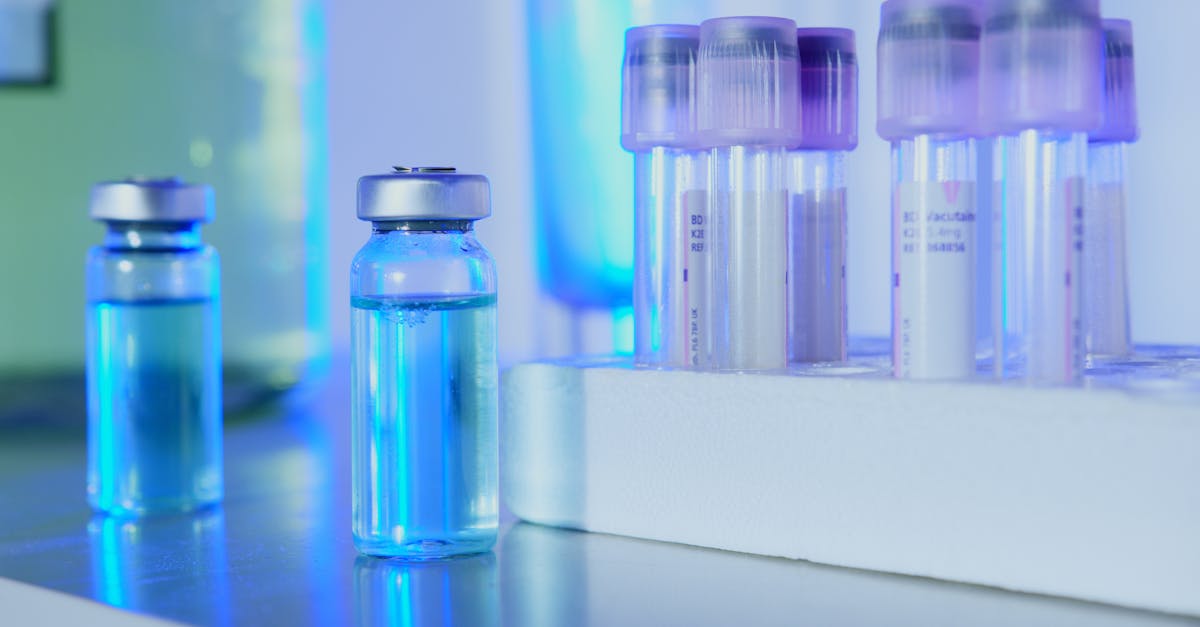
Messenger RNA: The Therapeutic Revolution Beyond Vaccines
Since mRNA vaccines against Covid-19 demonstrated their effectiveness at unprecedented speed, messenger RNA technology has continued to evolve. In 2026, it is reaching a decisive milestone: far beyond simple immunization against a virus, it is establishing itself as one of the most promising therapeutic tools of modern medicine, with applications extending from cancer to rare diseases, including autoimmune conditions.
What is messenger RNA, and why is it so revolutionary?
Messenger RNA is a molecule present naturally in all our cells. It carries genetic instructions from DNA to ribosomes, which then manufacture proteins. Researchers had the idea of exploiting this natural mechanism to "program" human cells: injecting synthetic RNA sequences allows cells to produce a specific protein, whether an antigen to stimulate the immune system, or a missing therapeutic protein in certain rare diseases.
The major advantage of this approach lies in its flexibility. Unlike conventional drugs, which require years of complex chemical synthesis, an RNA sequence can be designed and produced in a few weeks once the therapeutic target is identified. It was this agility that had allowed Covid vaccines to be developed in record time.
Personalized cancer vaccines: a historic breakthrough
The most spectacular application of messenger RNA in 2026 undoubtedly concerns personalized cancer vaccines. The logic is simple in principle but complex in execution: each tumor has genetic mutations unique to it. These mutations lead to the production of abnormal proteins, called neoantigens, which the immune system could theoretically recognize and attack.
The problem is that cancer cells have developed numerous strategies to evade immunity. The idea of mRNA anti-cancer vaccines is to "show" the immune system what these neoantigens look like, so that it actively targets them.
The mRNA-4157 case: game-changing results
The mRNA-4157 vaccine, developed by Moderna in partnership with MSD, is one of the most advanced examples. Combined with pembrolizumab (Keytruda) immunotherapy in the KEYNOTE-942 clinical trial, it showed a 44% reduction in the risk of recurrence in patients with high-risk melanoma after surgical resection. The three-year update of this trial confirmed durable results: the recurrence-free survival rate at 2.5 years increased from 55.6% (immunotherapy alone) to 74.8% (vaccine + immunotherapy).
These results triggered the launch of a large-scale phase III trial involving more than 1,000 patients. The first regulatory submissions are envisioned as early as the end of 2026 — a timeline that would have seemed unimaginable five years ago for such a targeted treatment.
Beyond melanoma: pancreas, lung, glioblastoma
Melanoma is just the tip of the iceberg. Clinical trials are underway for pancreatic cancer — one of the most lethal and resistant to conventional treatments — as well as for lung cancer and glioblastoma, a particularly aggressive brain tumor. In the latter case, researchers at the University of Florida reported that an mRNA vaccine administered against glioblastoma allowed treated dogs to live nearly four times longer than historical data would have predicted, opening the way for pediatric trials.
Rare and autoimmune diseases: a new therapeutic horizon
Cancer is not the only field of application. Messenger RNA also interests researchers working on rare diseases linked to a protein deficiency — the typical case being hereditary diseases where a genetic mutation prevents the production of a vital enzyme or hormone. By "delivering" RNA sequences coding for the missing protein, one could fill this deficit without permanently modifying the genome, unlike traditional gene therapies.
On the autoimmune disease side, results are also encouraging. The Descartes-08 trial, which uses an mRNA-based CAR T therapy to treat myasthenia gravis — a debilitating neuromuscular disease — showed significant reductions in symptoms in patients who had exhausted other treatment options.
The challenges that remain to be overcome
Despite these exciting advances, several important obstacles remain. The first concerns the stability of messenger RNA molecules, which degrade rapidly at room temperature. Covid vaccines required a cold chain at extremely low temperatures, which complicated logistics in many countries. More stable formulations are being developed, but their industrial scale-up remains a challenge.
The second challenge is dosage precision. Unlike conventional chemical drugs, where concentration can be controlled with precision, the amount of protein actually produced by cells after mRNA injection can vary from one individual to another, depending on numerous biological factors. This variability complicates clinical trials and regulatory approvals.
Finally, the production cost of personalized vaccines remains high, notably because each patient requires a custom vaccine. Economies of scale are expected as the technology matures, but equitable access to these treatments remains an open question.
What to expect by 2027
Experts agree that 2026 and 2027 will be pivotal years for mRNA medicine. If phase III trials confirm the results already observed, we could see the first regulatory approvals for personalized anti-cancer vaccines reach the European and American markets. This would be a revolution comparable to — or even greater than — the arrival of immunotherapies in the early 2010s.
mRNA technology represents a paradigm shift: instead of treating a disease with a single standardized drug, it opens the way to truly personalized medicine, where treatment is adapted to the precise genetic profile of each patient and each tumor. A promise that, after decades of research, finally seems on the verge of fulfilling its commitments.
Messenger RNA is like software for our cells: we can write the program, test it, correct it — and soon, personalize it for each patient.



Messenger RNA: The Therapeutic Revolution Beyond Vaccines
Since mRNA vaccines against Covid-19 demonstrated their effectiveness at unprecedented speed, messenger RNA technology has continued to evolve. In 2026, it is reaching a decisive milestone: far beyond simple immunization against a virus, it is establishing itself as one of the most promising therapeutic tools of modern medicine, with applications extending from cancer to rare diseases, including autoimmune conditions.
What is messenger RNA, and why is it so revolutionary?
Messenger RNA is a molecule present naturally in all our cells. It carries genetic instructions from DNA to ribosomes, which then manufacture proteins. Researchers had the idea of exploiting this natural mechanism to "program" human cells: injecting synthetic RNA sequences allows cells to produce a specific protein, whether an antigen to stimulate the immune system, or a missing therapeutic protein in certain rare diseases.
The major advantage of this approach lies in its flexibility. Unlike conventional drugs, which require years of complex chemical synthesis, an RNA sequence can be designed and produced in a few weeks once the therapeutic target is identified. It was this agility that had allowed Covid vaccines to be developed in record time.
Personalized cancer vaccines: a historic breakthrough
The most spectacular application of messenger RNA in 2026 undoubtedly concerns personalized cancer vaccines. The logic is simple in principle but complex in execution: each tumor has genetic mutations unique to it. These mutations lead to the production of abnormal proteins, called neoantigens, which the immune system could theoretically recognize and attack.
The problem is that cancer cells have developed numerous strategies to evade immunity. The idea of mRNA anti-cancer vaccines is to "show" the immune system what these neoantigens look like, so that it actively targets them.
The mRNA-4157 case: game-changing results
The mRNA-4157 vaccine, developed by Moderna in partnership with MSD, is one of the most advanced examples. Combined with pembrolizumab (Keytruda) immunotherapy in the KEYNOTE-942 clinical trial, it showed a 44% reduction in the risk of recurrence in patients with high-risk melanoma after surgical resection. The three-year update of this trial confirmed durable results: the recurrence-free survival rate at 2.5 years increased from 55.6% (immunotherapy alone) to 74.8% (vaccine + immunotherapy).
These results triggered the launch of a large-scale phase III trial involving more than 1,000 patients. The first regulatory submissions are envisioned as early as the end of 2026 — a timeline that would have seemed unimaginable five years ago for such a targeted treatment.
Beyond melanoma: pancreas, lung, glioblastoma
Melanoma is just the tip of the iceberg. Clinical trials are underway for pancreatic cancer — one of the most lethal and resistant to conventional treatments — as well as for lung cancer and glioblastoma, a particularly aggressive brain tumor. In the latter case, researchers at the University of Florida reported that an mRNA vaccine administered against glioblastoma allowed treated dogs to live nearly four times longer than historical data would have predicted, opening the way for pediatric trials.
Rare and autoimmune diseases: a new therapeutic horizon
Cancer is not the only field of application. Messenger RNA also interests researchers working on rare diseases linked to a protein deficiency — the typical case being hereditary diseases where a genetic mutation prevents the production of a vital enzyme or hormone. By "delivering" RNA sequences coding for the missing protein, one could fill this deficit without permanently modifying the genome, unlike traditional gene therapies.
On the autoimmune disease side, results are also encouraging. The Descartes-08 trial, which uses an mRNA-based CAR T therapy to treat myasthenia gravis — a debilitating neuromuscular disease — showed significant reductions in symptoms in patients who had exhausted other treatment options.
The challenges that remain to be overcome
Despite these exciting advances, several important obstacles remain. The first concerns the stability of messenger RNA molecules, which degrade rapidly at room temperature. Covid vaccines required a cold chain at extremely low temperatures, which complicated logistics in many countries. More stable formulations are being developed, but their industrial scale-up remains a challenge.
The second challenge is dosage precision. Unlike conventional chemical drugs, where concentration can be controlled with precision, the amount of protein actually produced by cells after mRNA injection can vary from one individual to another, depending on numerous biological factors. This variability complicates clinical trials and regulatory approvals.
Finally, the production cost of personalized vaccines remains high, notably because each patient requires a custom vaccine. Economies of scale are expected as the technology matures, but equitable access to these treatments remains an open question.
What to expect by 2027
Experts agree that 2026 and 2027 will be pivotal years for mRNA medicine. If phase III trials confirm the results already observed, we could see the first regulatory approvals for personalized anti-cancer vaccines reach the European and American markets. This would be a revolution comparable to — or even greater than — the arrival of immunotherapies in the early 2010s.
mRNA technology represents a paradigm shift: instead of treating a disease with a single standardized drug, it opens the way to truly personalized medicine, where treatment is adapted to the precise genetic profile of each patient and each tumor. A promise that, after decades of research, finally seems on the verge of fulfilling its commitments.
Messenger RNA is like software for our cells: we can write the program, test it, correct it — and soon, personalize it for each patient.
Messenger RNA: The Therapeutic Revolution Beyond Vaccines
Since mRNA vaccines against Covid-19 demonstrated their effectiveness at unprecedented speed, messenger RNA technology has continued to evolve. In 2026, it is reaching a decisive milestone: far beyond simple immunization against a virus, it is establishing itself as one of the most promising therapeutic tools of modern medicine, with applications extending from cancer to rare diseases, including autoimmune conditions.
What is messenger RNA, and why is it so revolutionary?
Messenger RNA is a molecule present naturally in all our cells. It carries genetic instructions from DNA to ribosomes, which then manufacture proteins. Researchers had the idea of exploiting this natural mechanism to "program" human cells: injecting synthetic RNA sequences allows cells to produce a specific protein, whether an antigen to stimulate the immune system, or a missing therapeutic protein in certain rare diseases.
The major advantage of this approach lies in its flexibility. Unlike conventional drugs, which require years of complex chemical synthesis, an RNA sequence can be designed and produced in a few weeks once the therapeutic target is identified. It was this agility that had allowed Covid vaccines to be developed in record time.
Personalized cancer vaccines: a historic breakthrough
The most spectacular application of messenger RNA in 2026 undoubtedly concerns personalized cancer vaccines. The logic is simple in principle but complex in execution: each tumor has genetic mutations unique to it. These mutations lead to the production of abnormal proteins, called neoantigens, which the immune system could theoretically recognize and attack.
The problem is that cancer cells have developed numerous strategies to evade immunity. The idea of mRNA anti-cancer vaccines is to "show" the immune system what these neoantigens look like, so that it actively targets them.
The mRNA-4157 case: game-changing results
The mRNA-4157 vaccine, developed by Moderna in partnership with MSD, is one of the most advanced examples. Combined with pembrolizumab (Keytruda) immunotherapy in the KEYNOTE-942 clinical trial, it showed a 44% reduction in the risk of recurrence in patients with high-risk melanoma after surgical resection. The three-year update of this trial confirmed durable results: the recurrence-free survival rate at 2.5 years increased from 55.6% (immunotherapy alone) to 74.8% (vaccine + immunotherapy).
These results triggered the launch of a large-scale phase III trial involving more than 1,000 patients. The first regulatory submissions are envisioned as early as the end of 2026 — a timeline that would have seemed unimaginable five years ago for such a targeted treatment.
Beyond melanoma: pancreas, lung, glioblastoma
Melanoma is just the tip of the iceberg. Clinical trials are underway for pancreatic cancer — one of the most lethal and resistant to conventional treatments — as well as for lung cancer and glioblastoma, a particularly aggressive brain tumor. In the latter case, researchers at the University of Florida reported that an mRNA vaccine administered against glioblastoma allowed treated dogs to live nearly four times longer than historical data would have predicted, opening the way for pediatric trials.
Rare and autoimmune diseases: a new therapeutic horizon
Cancer is not the only field of application. Messenger RNA also interests researchers working on rare diseases linked to a protein deficiency — the typical case being hereditary diseases where a genetic mutation prevents the production of a vital enzyme or hormone. By "delivering" RNA sequences coding for the missing protein, one could fill this deficit without permanently modifying the genome, unlike traditional gene therapies.
On the autoimmune disease side, results are also encouraging. The Descartes-08 trial, which uses an mRNA-based CAR T therapy to treat myasthenia gravis — a debilitating neuromuscular disease — showed significant reductions in symptoms in patients who had exhausted other treatment options.
The challenges that remain to be overcome
Despite these exciting advances, several important obstacles remain. The first concerns the stability of messenger RNA molecules, which degrade rapidly at room temperature. Covid vaccines required a cold chain at extremely low temperatures, which complicated logistics in many countries. More stable formulations are being developed, but their industrial scale-up remains a challenge.
The second challenge is dosage precision. Unlike conventional chemical drugs, where concentration can be controlled with precision, the amount of protein actually produced by cells after mRNA injection can vary from one individual to another, depending on numerous biological factors. This variability complicates clinical trials and regulatory approvals.
Finally, the production cost of personalized vaccines remains high, notably because each patient requires a custom vaccine. Economies of scale are expected as the technology matures, but equitable access to these treatments remains an open question.
What to expect by 2027
Experts agree that 2026 and 2027 will be pivotal years for mRNA medicine. If phase III trials confirm the results already observed, we could see the first regulatory approvals for personalized anti-cancer vaccines reach the European and American markets. This would be a revolution comparable to — or even greater than — the arrival of immunotherapies in the early 2010s.
mRNA technology represents a paradigm shift: instead of treating a disease with a single standardized drug, it opens the way to truly personalized medicine, where treatment is adapted to the precise genetic profile of each patient and each tumor. A promise that, after decades of research, finally seems on the verge of fulfilling its commitments.
Messenger RNA is like software for our cells: we can write the program, test it, correct it — and soon, personalize it for each patient.