

enEnglish
frFrench
deGerman
esSpanish
hiHindi
itItalian
jaJapanese
koKorean
noNorwegian
zhChinese
Home Latest News Tutorials Consumer Culture Viral Videos Miscellaneous
DE EN ES FR HI IT JA KO NO ZH
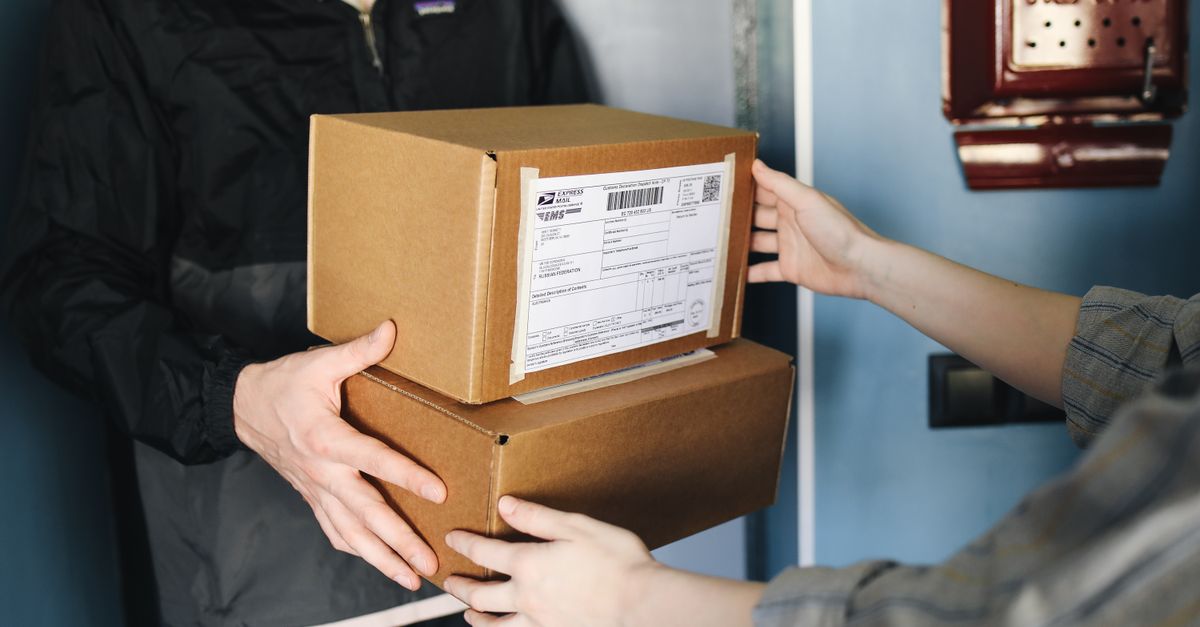
stacked and labelled parcels ready for international shipping

Temu, Shein, AliExpress: the new 2026 tax explained

Publié le 18 Juillet 2026

Do you regularly order from Temu, Shein or AliExpress? Since 1 July 2026, the rules have changed. The European Union has ended a long-standing customs exemption that allowed parcels worth less than €150 to enter duty-free. As a result, every order placed on these platforms is now subject to a new flat-rate tax of €3 per product category.

Why was this tax introduced?

For years, a tax loophole allowed low-value parcels (worth less than €150) to enter the European Union without customs duties. Platforms such as Temu, Shein and AliExpress made extensive use of it to offer ultra-competitive prices, to the detriment of European retailers that pay VAT and standard social contributions.

In 2025, no fewer than 5.9 billion items entered the EU market in small parcels without any customs duty being paid. This imbalance eventually prompted a political response.

What changes in practice from 1 July 2026

Since 1 July 2026, a flat customs duty of €3 per product category has applied to all imported small parcels worth €150 or less coming from countries outside the European Union.

This amount is added to VAT, which must now be paid regardless of the parcel’s value. In France, the national €2-per-item tax introduced on 1 March 2026 was suspended on 30 June 2026 to prevent it from being combined with the new European scheme.

How does the calculation by “category” work?

The crucial point is that the tax does not apply to each physical item, but to each customs category, identified by an international six-digit code (HS6 code). In practice:

  • 5 identical T-shirts in the same order = 1 category = €3 tax
  • One T-shirt + one pair of trousers + one pair of shoes = 3 categories = €9 tax
  • One cotton T-shirt + one polyester T-shirt (different codes) = 2 categories = €6 tax

Mixed baskets will therefore be taxed much more heavily than orders containing only one type of product.

What impact will this have on platform prices?

Temu, Shein and AliExpress have several options: absorb the cost, pass it on to consumers, or adapt their catalogues. Some have already revised their delivery charges or added “customs clearance fees” to the basket.

For very low-priced items—sold for between €1 and €5—the €3 tax can represent an extra cost of 60% to 300% compared with the price of the product itself. These ultra-low-cost offers are therefore becoming much less attractive.

November 2026: another tax on the horizon

From 1 November 2026, an additional European charge—the Union Handling Fee—is due to come into force to cover the administrative costs of handling massive parcel flows. It could reach €5 per category, almost double the current tax.

Practical tips for adapting your purchases

  • Group similar items together: ordering several products from the same category reduces the overall tax.
  • Check the total before confirming: customs charges must now appear in the order summary.
  • Compare with European sellers: once the tax is added, the price difference may be much smaller than before.
  • Beware of prices shown before tax: some websites do not always display the full amount transparently.

A rebalancing in favour of European retailers

The reform has been welcomed by European retail federations, which had denounced unfair competition for years. By ending the €150 exemption, the EU is giving Europe-based merchants a new competitive lever.

The new tax marks the end of an era for ultra-low-cost online shopping: prices often remain competitive, but tax transparency is now essential, and the advantage enjoyed by these Chinese platforms will be less systematic.

Tags
small parcel tax
Temu Shein AliExpress
customs 2026
150 euro exemption
online shopping
Envoyer à un ami
Signaler cet article
A propos de l'auteur
stacked and labelled parcels ready for international shipping

Temu, Shein, AliExpress: the new 2026 tax explained

Publié le 18 Juillet 2026

Do you regularly order from Temu, Shein or AliExpress? Since 1 July 2026, the rules have changed. The European Union has ended a long-standing customs exemption that allowed parcels worth less than €150 to enter duty-free. As a result, every order placed on these platforms is now subject to a new flat-rate tax of €3 per product category.

Why was this tax introduced?

For years, a tax loophole allowed low-value parcels (worth less than €150) to enter the European Union without customs duties. Platforms such as Temu, Shein and AliExpress made extensive use of it to offer ultra-competitive prices, to the detriment of European retailers that pay VAT and standard social contributions.

In 2025, no fewer than 5.9 billion items entered the EU market in small parcels without any customs duty being paid. This imbalance eventually prompted a political response.

What changes in practice from 1 July 2026

Since 1 July 2026, a flat customs duty of €3 per product category has applied to all imported small parcels worth €150 or less coming from countries outside the European Union.

This amount is added to VAT, which must now be paid regardless of the parcel’s value. In France, the national €2-per-item tax introduced on 1 March 2026 was suspended on 30 June 2026 to prevent it from being combined with the new European scheme.

How does the calculation by “category” work?

The crucial point is that the tax does not apply to each physical item, but to each customs category, identified by an international six-digit code (HS6 code). In practice:

  • 5 identical T-shirts in the same order = 1 category = €3 tax
  • One T-shirt + one pair of trousers + one pair of shoes = 3 categories = €9 tax
  • One cotton T-shirt + one polyester T-shirt (different codes) = 2 categories = €6 tax

Mixed baskets will therefore be taxed much more heavily than orders containing only one type of product.

What impact will this have on platform prices?

Temu, Shein and AliExpress have several options: absorb the cost, pass it on to consumers, or adapt their catalogues. Some have already revised their delivery charges or added “customs clearance fees” to the basket.

For very low-priced items—sold for between €1 and €5—the €3 tax can represent an extra cost of 60% to 300% compared with the price of the product itself. These ultra-low-cost offers are therefore becoming much less attractive.

November 2026: another tax on the horizon

From 1 November 2026, an additional European charge—the Union Handling Fee—is due to come into force to cover the administrative costs of handling massive parcel flows. It could reach €5 per category, almost double the current tax.

Practical tips for adapting your purchases

  • Group similar items together: ordering several products from the same category reduces the overall tax.
  • Check the total before confirming: customs charges must now appear in the order summary.
  • Compare with European sellers: once the tax is added, the price difference may be much smaller than before.
  • Beware of prices shown before tax: some websites do not always display the full amount transparently.

A rebalancing in favour of European retailers

The reform has been welcomed by European retail federations, which had denounced unfair competition for years. By ending the €150 exemption, the EU is giving Europe-based merchants a new competitive lever.

The new tax marks the end of an era for ultra-low-cost online shopping: prices often remain competitive, but tax transparency is now essential, and the advantage enjoyed by these Chinese platforms will be less systematic.

Tags
small parcel tax
Temu Shein AliExpress
customs 2026
150 euro exemption
online shopping
Envoyer à un ami
Signaler cet article
A propos de l'auteur
stacked and labelled parcels ready for international shipping

Temu, Shein, AliExpress: the new 2026 tax explained

Publié le 18 Juillet 2026

Do you regularly order from Temu, Shein or AliExpress? Since 1 July 2026, the rules have changed. The European Union has ended a long-standing customs exemption that allowed parcels worth less than €150 to enter duty-free. As a result, every order placed on these platforms is now subject to a new flat-rate tax of €3 per product category.

Why was this tax introduced?

For years, a tax loophole allowed low-value parcels (worth less than €150) to enter the European Union without customs duties. Platforms such as Temu, Shein and AliExpress made extensive use of it to offer ultra-competitive prices, to the detriment of European retailers that pay VAT and standard social contributions.

In 2025, no fewer than 5.9 billion items entered the EU market in small parcels without any customs duty being paid. This imbalance eventually prompted a political response.

What changes in practice from 1 July 2026

Since 1 July 2026, a flat customs duty of €3 per product category has applied to all imported small parcels worth €150 or less coming from countries outside the European Union.

This amount is added to VAT, which must now be paid regardless of the parcel’s value. In France, the national €2-per-item tax introduced on 1 March 2026 was suspended on 30 June 2026 to prevent it from being combined with the new European scheme.

How does the calculation by “category” work?

The crucial point is that the tax does not apply to each physical item, but to each customs category, identified by an international six-digit code (HS6 code). In practice:

  • 5 identical T-shirts in the same order = 1 category = €3 tax
  • One T-shirt + one pair of trousers + one pair of shoes = 3 categories = €9 tax
  • One cotton T-shirt + one polyester T-shirt (different codes) = 2 categories = €6 tax

Mixed baskets will therefore be taxed much more heavily than orders containing only one type of product.

What impact will this have on platform prices?

Temu, Shein and AliExpress have several options: absorb the cost, pass it on to consumers, or adapt their catalogues. Some have already revised their delivery charges or added “customs clearance fees” to the basket.

For very low-priced items—sold for between €1 and €5—the €3 tax can represent an extra cost of 60% to 300% compared with the price of the product itself. These ultra-low-cost offers are therefore becoming much less attractive.

November 2026: another tax on the horizon

From 1 November 2026, an additional European charge—the Union Handling Fee—is due to come into force to cover the administrative costs of handling massive parcel flows. It could reach €5 per category, almost double the current tax.

Practical tips for adapting your purchases

  • Group similar items together: ordering several products from the same category reduces the overall tax.
  • Check the total before confirming: customs charges must now appear in the order summary.
  • Compare with European sellers: once the tax is added, the price difference may be much smaller than before.
  • Beware of prices shown before tax: some websites do not always display the full amount transparently.

A rebalancing in favour of European retailers

The reform has been welcomed by European retail federations, which had denounced unfair competition for years. By ending the €150 exemption, the EU is giving Europe-based merchants a new competitive lever.

The new tax marks the end of an era for ultra-low-cost online shopping: prices often remain competitive, but tax transparency is now essential, and the advantage enjoyed by these Chinese platforms will be less systematic.

Tags
small parcel tax
Temu Shein AliExpress
customs 2026
150 euro exemption
online shopping
Envoyer à un ami
Signaler cet article
A propos de l'auteur