

Loading...
By continuing to browse this site, you agree to the use of cookies that ensure its proper functioning.
enEnglish
frFrench
esSpanish
zhChinese
jaJapanese
koKorean
hiHindi
deGerman
noNorwegian
Recherche article
Me connecter
Fleche top bulle Fleche top bulle
DE EN ES FR HI JA KO NO ZH
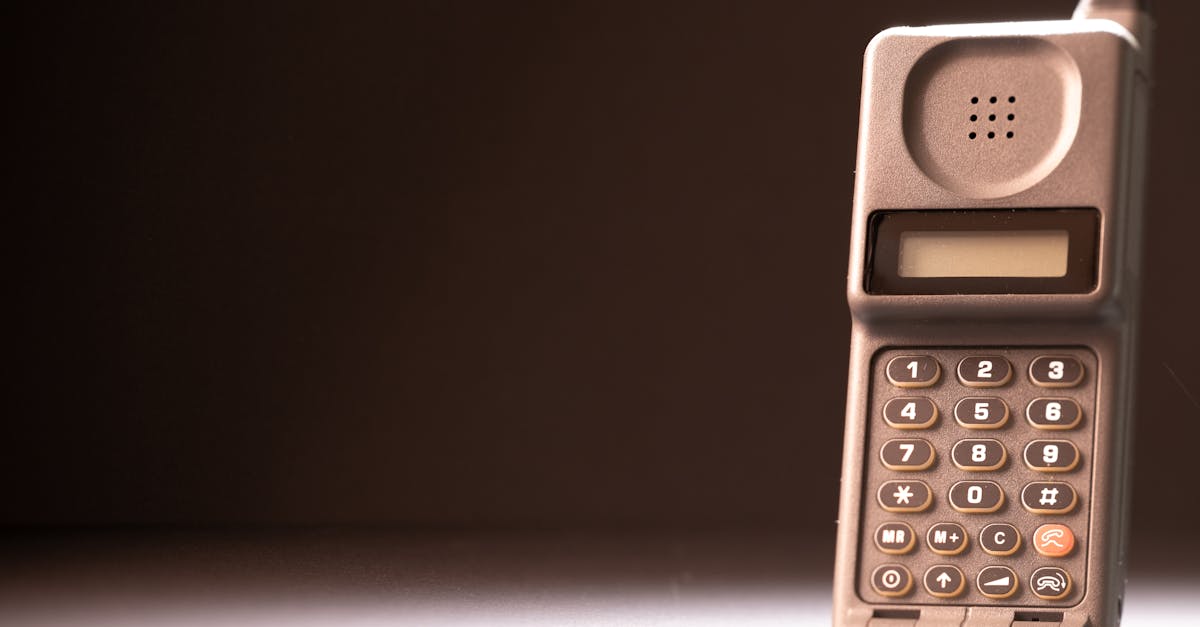
Old flip phone placed on a wooden surface symbolizing the end of 2G technology in France

End of 2G in France: What Changes from March 31, 2026

Publié le 07 Avril 2026

It is a discreet but far-reaching turning point. From March 31, 2026, Orange begins shutting down its 2G network in France, starting with the Biarritz, Anglet and Bayonne area. By the end of the year, the entire territory will be affected. SFR and Bouygues Telecom will follow suit. After more than thirty years of service, the technology that democratized the mobile phone is taking its final bow.

Why is France shutting down 2G?

The 2G network, launched in France in the early 1990s under the name GSM, was the country's first digital mobile telephony network. It enabled millions of French people to make their first mobile calls and send their first text messages. But thirty years later, this technology has become a burden for operators.

The reasons for this shutdown are multiple. First, energy consumption: 2G and 3G networks use proportionally more resources than later generations for a much lower data rate. Then, security: the 2G encryption protocols are largely outdated and vulnerable to hacking. 4G and 5G networks offer significantly superior protection standards. Finally, the freed-up frequencies from the 2G shutdown will be reused to strengthen 4G and 5G coverage, particularly in rural areas.

A progressive timeline, operator by operator

The shutdown will not happen overnight. Each operator has defined its own schedule, under the supervision of ARCEP, the telecoms regulator.

Orange kicks off the process from March 31, 2026, with a first wave in the South-West. The Landes and the rest of the Pyrenees-Atlantiques will follow in May, then Ariege, Haute-Garonne, Gers and several neighboring departments in June. The rollout across metropolitan France is planned for the end of September 2026.

SFR plans a complete shutdown of its 2G network by the end of 2026, while Bouygues Telecom also announces a closure at the end of 2026. For 3G, the schedule is further away: end of 2028 for Orange and SFR, end of 2029 for Bouygues Telecom.

3.2 million devices affected

While the vast majority of current smartphones operate on 4G or 5G, the real challenge lies elsewhere. According to ARCEP, 3.2 million devices were still connected via 2G or 2G/3G in June 2025. Among them, 1.2 million operated exclusively on 2G.

The most affected devices are not necessarily those you might expect. They are largely industrial and domestic connected objects: home alarm systems, remote monitoring devices, remote assistance terminals for elderly people, connected intercoms and heating control sensors. These devices, often installed several years ago, communicate via 2G without their owners always being aware of it.

The most spectacular case concerns elevators. The Federation of Elevators estimates that out of 650,000 elevators in the French fleet, nearly half are equipped with alert systems still operating on 2G or 3G. Minister Valerie Letard has mobilized the sector to accelerate the upgrading of these devices before the deadline.

What to do if you are affected?

For individuals still using an old phone compatible only with 2G, the solution is simple but unavoidable: change your mobile. From the end of 2026, these devices will no longer be able to make or receive calls and text messages, including emergency calls. Operators, and in particular Orange, offer in-store assistance with 4G-compatible phones at reduced prices.

For owners of an alarm system, a remote assistance device or a connected intercom, the process is more complex. You first need to check with your supplier whether the device uses the 2G network to communicate, then plan its replacement or upgrade. Some manufacturers offer 4G-compatible replacement modules, but others require a complete hardware change.

Businesses are also on the front line. Many payment terminals, IoT sensors, fleet GPS systems and industrial machines still operate on 2G. The Senate even deplored, in a recent report, the lack of dialogue and consultation between operators and the economic players affected by this transition.

A transition criticized for its lack of support

While the 2G shutdown is technically justified, it raises concerns. Consumer associations point to the risk that some elderly or isolated people, unfamiliar with new technologies, may find themselves without means of communication overnight. Local authorities are also worried about public equipment that has not yet been updated.

The Senate published a report describing the operators' support as minimal, regretting the absence of a genuine national information campaign. ARCEP, for its part, has put up an information page for consumers, but the communication is still considered insufficient by many observers.

The end of an era, the beginning of another

Beyond technical considerations, the shutdown of 2G marks the end of an era. It was the network that introduced an entire generation to mobile phones, the era of indestructible Nokia 3310s and text messages at 15 cents. A symbol of the 2000s that fades away to make room for a world where connectivity is everywhere, faster, more secure, but also more demanding in terms of equipment.

For the French people concerned, the message is clear: anticipate. Check your devices, contact your suppliers, and do not wait until the last moment to make the transition. Because once the network is shut down, there will be no going back.

Tags
end 2G France
2G network shutdown
Orange 2G 2026
2G devices affected
4G transition
Envoyer à un ami
Signaler cet article
A propos de l'auteur
Old flip phone placed on a wooden surface symbolizing the end of 2G technology in France

End of 2G in France: What Changes from March 31, 2026

Publié le 07 Avril 2026

It is a discreet but far-reaching turning point. From March 31, 2026, Orange begins shutting down its 2G network in France, starting with the Biarritz, Anglet and Bayonne area. By the end of the year, the entire territory will be affected. SFR and Bouygues Telecom will follow suit. After more than thirty years of service, the technology that democratized the mobile phone is taking its final bow.

Why is France shutting down 2G?

The 2G network, launched in France in the early 1990s under the name GSM, was the country's first digital mobile telephony network. It enabled millions of French people to make their first mobile calls and send their first text messages. But thirty years later, this technology has become a burden for operators.

The reasons for this shutdown are multiple. First, energy consumption: 2G and 3G networks use proportionally more resources than later generations for a much lower data rate. Then, security: the 2G encryption protocols are largely outdated and vulnerable to hacking. 4G and 5G networks offer significantly superior protection standards. Finally, the freed-up frequencies from the 2G shutdown will be reused to strengthen 4G and 5G coverage, particularly in rural areas.

A progressive timeline, operator by operator

The shutdown will not happen overnight. Each operator has defined its own schedule, under the supervision of ARCEP, the telecoms regulator.

Orange kicks off the process from March 31, 2026, with a first wave in the South-West. The Landes and the rest of the Pyrenees-Atlantiques will follow in May, then Ariege, Haute-Garonne, Gers and several neighboring departments in June. The rollout across metropolitan France is planned for the end of September 2026.

SFR plans a complete shutdown of its 2G network by the end of 2026, while Bouygues Telecom also announces a closure at the end of 2026. For 3G, the schedule is further away: end of 2028 for Orange and SFR, end of 2029 for Bouygues Telecom.

3.2 million devices affected

While the vast majority of current smartphones operate on 4G or 5G, the real challenge lies elsewhere. According to ARCEP, 3.2 million devices were still connected via 2G or 2G/3G in June 2025. Among them, 1.2 million operated exclusively on 2G.

The most affected devices are not necessarily those you might expect. They are largely industrial and domestic connected objects: home alarm systems, remote monitoring devices, remote assistance terminals for elderly people, connected intercoms and heating control sensors. These devices, often installed several years ago, communicate via 2G without their owners always being aware of it.

The most spectacular case concerns elevators. The Federation of Elevators estimates that out of 650,000 elevators in the French fleet, nearly half are equipped with alert systems still operating on 2G or 3G. Minister Valerie Letard has mobilized the sector to accelerate the upgrading of these devices before the deadline.

What to do if you are affected?

For individuals still using an old phone compatible only with 2G, the solution is simple but unavoidable: change your mobile. From the end of 2026, these devices will no longer be able to make or receive calls and text messages, including emergency calls. Operators, and in particular Orange, offer in-store assistance with 4G-compatible phones at reduced prices.

For owners of an alarm system, a remote assistance device or a connected intercom, the process is more complex. You first need to check with your supplier whether the device uses the 2G network to communicate, then plan its replacement or upgrade. Some manufacturers offer 4G-compatible replacement modules, but others require a complete hardware change.

Businesses are also on the front line. Many payment terminals, IoT sensors, fleet GPS systems and industrial machines still operate on 2G. The Senate even deplored, in a recent report, the lack of dialogue and consultation between operators and the economic players affected by this transition.

A transition criticized for its lack of support

While the 2G shutdown is technically justified, it raises concerns. Consumer associations point to the risk that some elderly or isolated people, unfamiliar with new technologies, may find themselves without means of communication overnight. Local authorities are also worried about public equipment that has not yet been updated.

The Senate published a report describing the operators' support as minimal, regretting the absence of a genuine national information campaign. ARCEP, for its part, has put up an information page for consumers, but the communication is still considered insufficient by many observers.

The end of an era, the beginning of another

Beyond technical considerations, the shutdown of 2G marks the end of an era. It was the network that introduced an entire generation to mobile phones, the era of indestructible Nokia 3310s and text messages at 15 cents. A symbol of the 2000s that fades away to make room for a world where connectivity is everywhere, faster, more secure, but also more demanding in terms of equipment.

For the French people concerned, the message is clear: anticipate. Check your devices, contact your suppliers, and do not wait until the last moment to make the transition. Because once the network is shut down, there will be no going back.

Tags
end 2G France
2G network shutdown
Orange 2G 2026
2G devices affected
4G transition
Envoyer à un ami
Signaler cet article
A propos de l'auteur
Old flip phone placed on a wooden surface symbolizing the end of 2G technology in France

End of 2G in France: What Changes from March 31, 2026

Publié le 07 Avril 2026

It is a discreet but far-reaching turning point. From March 31, 2026, Orange begins shutting down its 2G network in France, starting with the Biarritz, Anglet and Bayonne area. By the end of the year, the entire territory will be affected. SFR and Bouygues Telecom will follow suit. After more than thirty years of service, the technology that democratized the mobile phone is taking its final bow.

Why is France shutting down 2G?

The 2G network, launched in France in the early 1990s under the name GSM, was the country's first digital mobile telephony network. It enabled millions of French people to make their first mobile calls and send their first text messages. But thirty years later, this technology has become a burden for operators.

The reasons for this shutdown are multiple. First, energy consumption: 2G and 3G networks use proportionally more resources than later generations for a much lower data rate. Then, security: the 2G encryption protocols are largely outdated and vulnerable to hacking. 4G and 5G networks offer significantly superior protection standards. Finally, the freed-up frequencies from the 2G shutdown will be reused to strengthen 4G and 5G coverage, particularly in rural areas.

A progressive timeline, operator by operator

The shutdown will not happen overnight. Each operator has defined its own schedule, under the supervision of ARCEP, the telecoms regulator.

Orange kicks off the process from March 31, 2026, with a first wave in the South-West. The Landes and the rest of the Pyrenees-Atlantiques will follow in May, then Ariege, Haute-Garonne, Gers and several neighboring departments in June. The rollout across metropolitan France is planned for the end of September 2026.

SFR plans a complete shutdown of its 2G network by the end of 2026, while Bouygues Telecom also announces a closure at the end of 2026. For 3G, the schedule is further away: end of 2028 for Orange and SFR, end of 2029 for Bouygues Telecom.

3.2 million devices affected

While the vast majority of current smartphones operate on 4G or 5G, the real challenge lies elsewhere. According to ARCEP, 3.2 million devices were still connected via 2G or 2G/3G in June 2025. Among them, 1.2 million operated exclusively on 2G.

The most affected devices are not necessarily those you might expect. They are largely industrial and domestic connected objects: home alarm systems, remote monitoring devices, remote assistance terminals for elderly people, connected intercoms and heating control sensors. These devices, often installed several years ago, communicate via 2G without their owners always being aware of it.

The most spectacular case concerns elevators. The Federation of Elevators estimates that out of 650,000 elevators in the French fleet, nearly half are equipped with alert systems still operating on 2G or 3G. Minister Valerie Letard has mobilized the sector to accelerate the upgrading of these devices before the deadline.

What to do if you are affected?

For individuals still using an old phone compatible only with 2G, the solution is simple but unavoidable: change your mobile. From the end of 2026, these devices will no longer be able to make or receive calls and text messages, including emergency calls. Operators, and in particular Orange, offer in-store assistance with 4G-compatible phones at reduced prices.

For owners of an alarm system, a remote assistance device or a connected intercom, the process is more complex. You first need to check with your supplier whether the device uses the 2G network to communicate, then plan its replacement or upgrade. Some manufacturers offer 4G-compatible replacement modules, but others require a complete hardware change.

Businesses are also on the front line. Many payment terminals, IoT sensors, fleet GPS systems and industrial machines still operate on 2G. The Senate even deplored, in a recent report, the lack of dialogue and consultation between operators and the economic players affected by this transition.

A transition criticized for its lack of support

While the 2G shutdown is technically justified, it raises concerns. Consumer associations point to the risk that some elderly or isolated people, unfamiliar with new technologies, may find themselves without means of communication overnight. Local authorities are also worried about public equipment that has not yet been updated.

The Senate published a report describing the operators' support as minimal, regretting the absence of a genuine national information campaign. ARCEP, for its part, has put up an information page for consumers, but the communication is still considered insufficient by many observers.

The end of an era, the beginning of another

Beyond technical considerations, the shutdown of 2G marks the end of an era. It was the network that introduced an entire generation to mobile phones, the era of indestructible Nokia 3310s and text messages at 15 cents. A symbol of the 2000s that fades away to make room for a world where connectivity is everywhere, faster, more secure, but also more demanding in terms of equipment.

For the French people concerned, the message is clear: anticipate. Check your devices, contact your suppliers, and do not wait until the last moment to make the transition. Because once the network is shut down, there will be no going back.

Tags
end 2G France
2G network shutdown
Orange 2G 2026
2G devices affected
4G transition
Envoyer à un ami
Signaler cet article
A propos de l'auteur
07 April 2026 21:41:23

फ्रांस में 2G का अंत: 31 मार्च 2026 से क्या बदलेगा

यह एक शांत लेकिन बड़े बदलाव का संकेत है। 31 मार्च 2026 से Orange फ्रांस में अपना 2G नेटवर्क बंद करना शुरू करेगा, जो बियारिट्ज,...
Read more
07 April 2026 21:41:27

Slutten paa 2G i Frankrike: Hva endrer seg fra 31. mars 2026

Dette er et stille, men viktig vendepunkt. Fra 31. mars 2026 begynner Orange aa slukke sitt 2G-nettverk i Frankrike, med start i omraadet rundt Biarritz, Anglet og Bayonne. Innen utgangen av aarets slutt vil hele landet vaere berort. SFR og Bouygues Telecom vil folge etter. Etter mer enn tretti...
Read more