 English
  French
  German
  Spanish
  Hindi
Hindi  Italian
  Japanese
  Korean
  Norwegian
  Chinese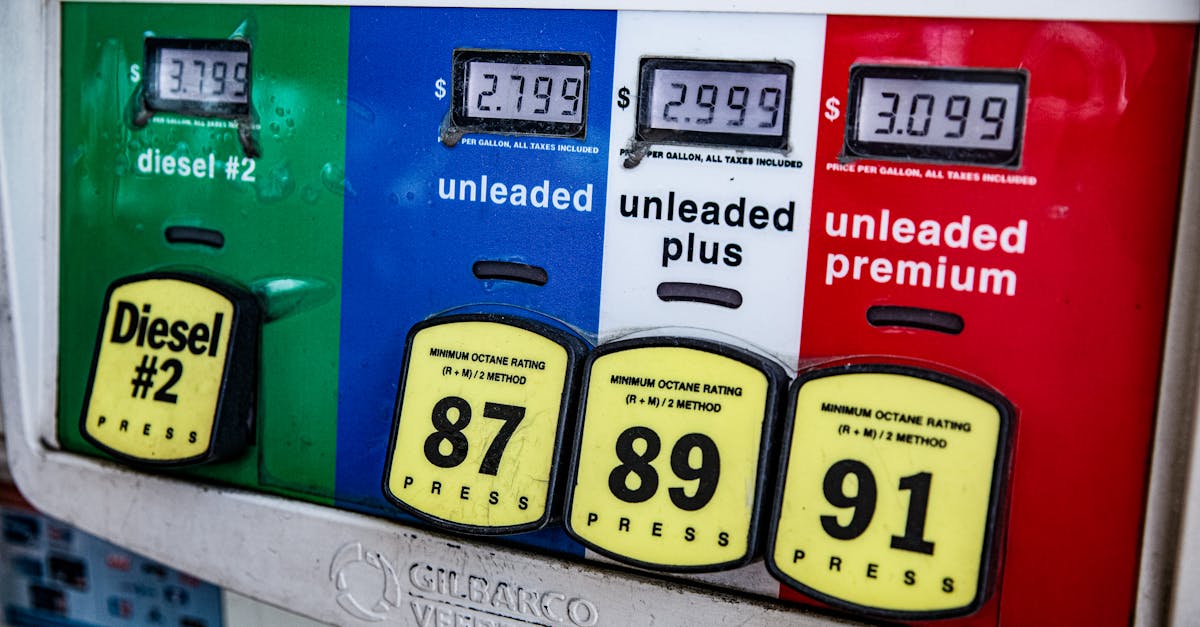
Oil Shock 2026: The Middle East War Hits France
Since February 2026, the armed conflict in the Middle East has been upending global energy markets. With the near-total paralysis of the Strait of Hormuz, the world's main oil transit point, France is facing what Economy Minister Roland Lescure now calls a new oil shock. A breakdown of a crisis that is directly hitting the wallets of French citizens.
A conflict draining the oil markets
The figures are staggering: between 15 and 20% of the world's oil and 20% of liquefied natural gas are no longer reaching international markets. This represents approximately 11 million fewer barrels per day for the global economy. The Brent crude benchmark, the European reference, rose from $65 before the crisis to a peak of $106.5, before stabilizing around $100 at the end of March 2026.
This surge is reminiscent of the oil shocks of 1973 and 1979, which had a profound impact on Western economies. But the current context has its own specificities: a global economy already weakened by years of trade tensions, and an energy transition still too slow to absorb such a shock.
At the pump, prices soar
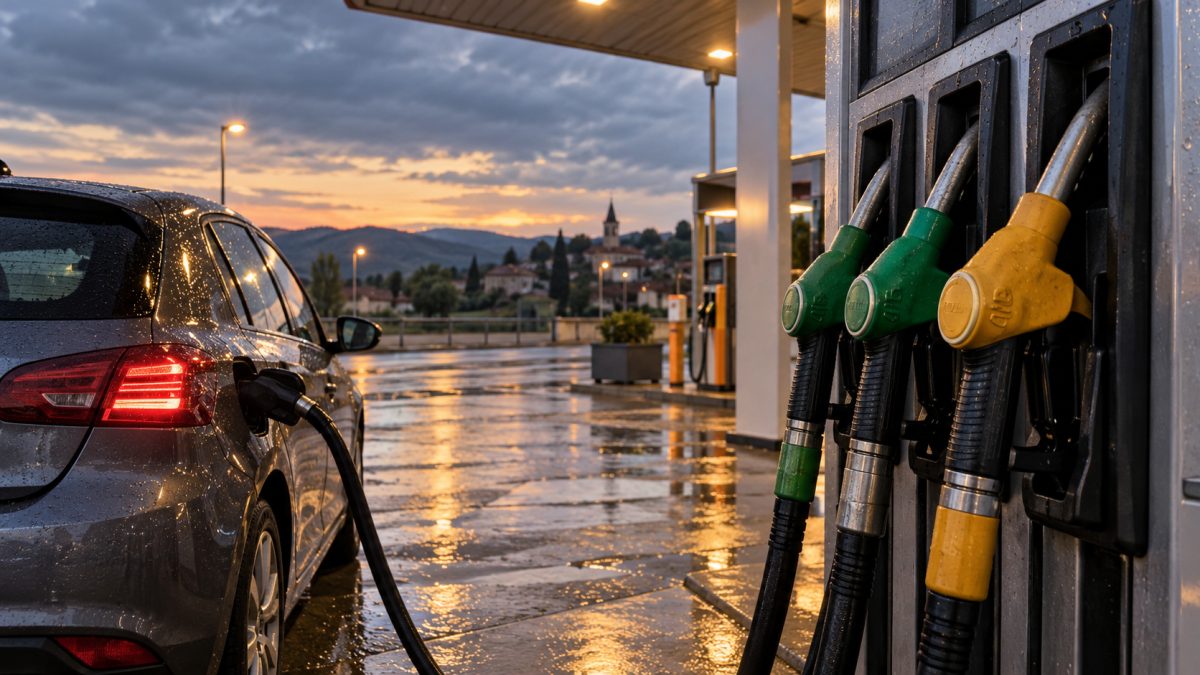
French motorists are the first to feel the impact. Unleaded 95 gasoline is now priced at 1.95 euros per liter, while diesel reaches 2.08 euros. Projections point to an additional increase of 5 to 20 cents per liter if the conflict extends beyond spring.
For an average French household driving 12,000 kilometers per year, this represents an additional annual cost of 300 to 500 euros for fuel alone. Not counting the knock-on effect on public transportation prices, freight, and ultimately all consumer goods.
Inflation picks up again
While inflation seemed under control at the start of the year (0.9% in February), the INSEE now forecasts that it will cross the 2% threshold during spring 2026. According to calculations by the Ministry of Economy, every $10 increase in the barrel translates into 0.3 additional percentage points of inflation for France.
With a shock estimated at around $35 above pre-crisis levels, the country could therefore experience nearly one extra point of inflation. The most exposed sectors are aviation, hit by rising kerosene costs, industrial chemicals, and food processing, whose logistics costs are exploding.
Economic growth threatened
The Banque de France has revised its growth forecasts downward: GDP would grow by only 0.9% in 2026, compared to the 1% anticipated in December. INSEE is even more cautious, lowering the quarterly growth forecast to 0.2% for the first half, instead of 0.3%.
Minister Lescure acknowledged that the hypothesis of a temporary crisis is unfortunately no longer on the table. An alert committee is planned for April 21 to reassess the state budget if necessary. The stakes are high: every tenth of a percentage point less in growth represents several billion euros in lost tax revenue.
What impact on household purchasing power?
The purchasing power of French households should weaken noticeably in the coming months. INSEE anticipates that households will partially compensate for the price increases by drawing on their savings. Consumption should slow, without immediately collapsing.
The most vulnerable populations will be hit hardest: rural households dependent on cars, low-income workers for whom energy spending weighs proportionally heavier, and small craft businesses whose margins are already stretched thin.
Good to know: the government has put in place a price monitoring mechanism to ensure that increases at the pump remain proportional to crude oil price movements. In cases of speculative drift, penalties are planned.
What are the prospects for the coming months?
Everything depends on how the conflict evolves. If the situation at the Strait of Hormuz unblocks, markets could normalize within weeks. But if tensions persist or worsen, economists do not rule out a dark scenario: oil durably above $110 a barrel, inflation exceeding 3%, and a technical recession in France by the end of the year.
In the meantime, several levers are under study. Tapping strategic oil reserves, accelerating investments in renewable energy, and intensified diplomatic negotiations are among the options being discussed at the European level. The European Commission has already announced an energy resilience plan to be presented in April.
One thing is certain: this crisis serves as a stark reminder of the vulnerability of our economies to their dependence on fossil fuels. It could, paradoxically, accelerate the energy transition that many have been calling for over the years.